DeskFlex

Want to see DeskFlex in action? Book your live demo today!

Blog

How to Start a Coworking Space Setup, Costs & Complete Guide

How to Start a Coworking Space: Setup, Costs & Plan

Starting a coworking space can be a profitable business opportunity in today’s flexible work environment. As more freelancers, startups, and remote teams look for flexible office solutions, the demand for coworking spaces continues to grow. These shared work environments provide businesses and individuals with affordable access to professional workspaces, meeting rooms, and community driven experiences.

This guide explains how to start a coworking space, how to set it up effectively, and how much it costs to create a successful coworking environment.

What Is a Coworking Space?

coworking space provides shared office environments where individuals and businesses can work on flexible terms. Instead of leasing traditional office space, members pay for access to desks, meeting rooms, private offices, and workplace amenities according to their needs.

This business model appeals to freelancers, remote workers, startups, and even established companies that need flexible workspace options. It allows operators to generate recurring revenue through memberships, room bookings, and additional service offerings while maximizing the use of available office space.

As the demand for flexible work arrangements continues to rise, coworking spaces have become an increasingly attractive business model for entrepreneurs looking to enter the modern workspace market.

Why Start a Coworking Space Business?

The rise of remote and hybrid work has created strong demand for flexible workspace solutions. Many professionals want the benefits of a professional office without the high costs or long term commitments associated with traditional leases. This growing need has created a valuable opportunity for entrepreneurs to build coworking spaces that meet these changing workplace demands.

Starting a coworking space also offers the advantage of recurring monthly revenue through memberships and service fees. With the right location and business strategy, operators can create a sustainable business while serving a wide range of professionals. Coworking spaces also encourage networking and collaboration, making them attractive environments for startups and independent workers alike.

For business owners, this model combines strong market demand with the opportunity to build a community focused and scalable business.

How to Start a Coworking Space?

Starting a coworking space requires careful planning, clear strategy, and a step by step approach to ensure success. Each stage from planning to launch plays an important role in building a functional and profitable workspace.

1. Define Your Business Model and Target Audience

The first step in starting a coworking space is deciding who your ideal members will be. Your target audience may include freelancers, startups, remote employees, small businesses, or enterprise teams looking for flexible office options. Understanding your audience helps determine the services, layout, and pricing that will best meet their needs.

You also need to define your business model based on the services you plan to offer. This may include open desks, private offices, meeting room rentalsvirtual office services, or event space bookings. A clear business model ensures your coworking space is designed around the expectations of your ideal members while supporting long term profitability.

2. Choose the Right Location

Location is one of the most important factors in the success of a coworking space. A convenient and accessible location attracts more members and improves the daily experience for people using the workspace. Areas near business districts, public transportation, restaurants, and essential services are often ideal for coworking operations.

You should also evaluate local demand and competitor presence before selecting a property. Choosing a location with strong demand and manageable competition gives your coworking business a better chance to grow successfully.

3. Plan Your Space Layout

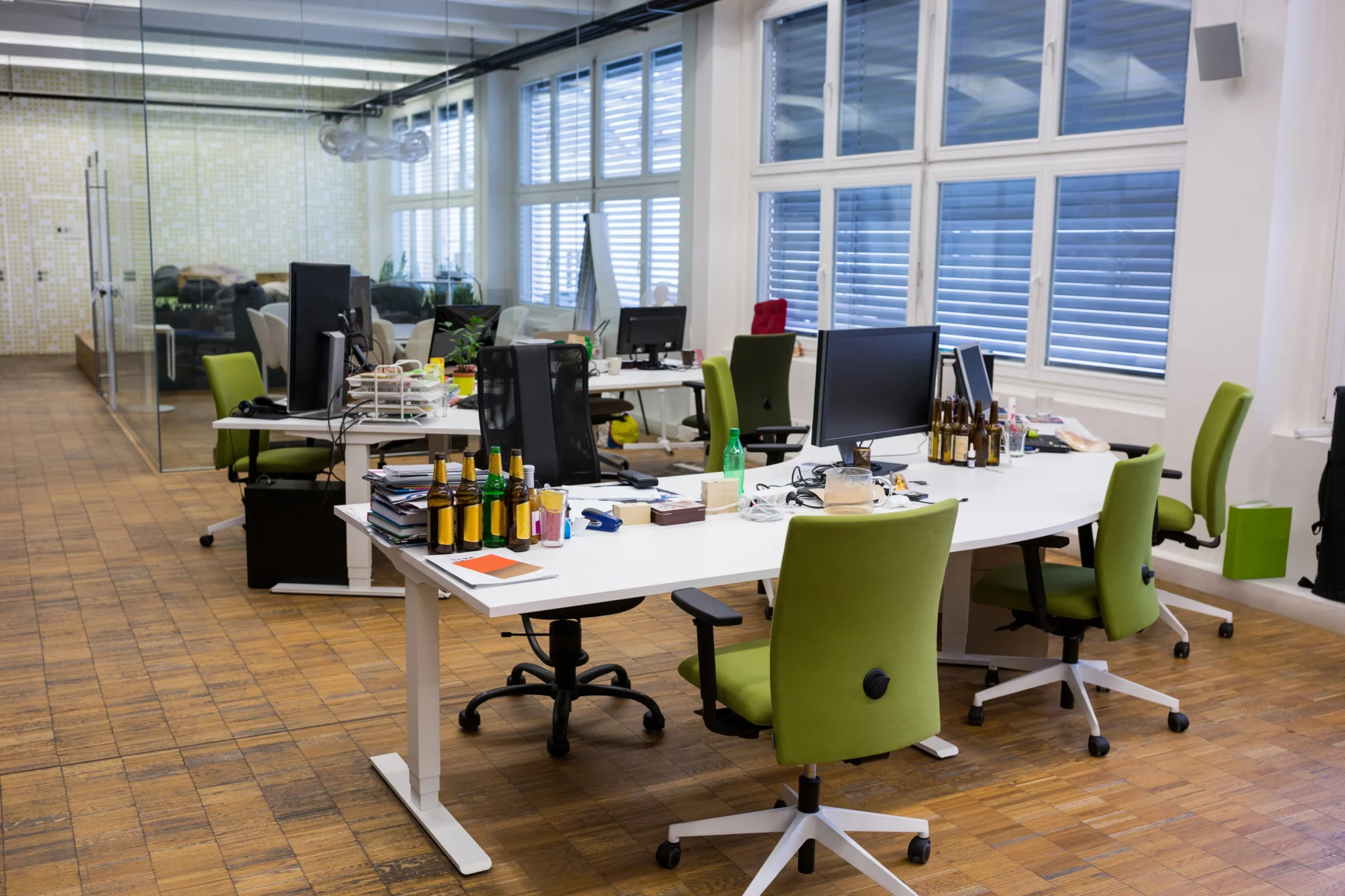
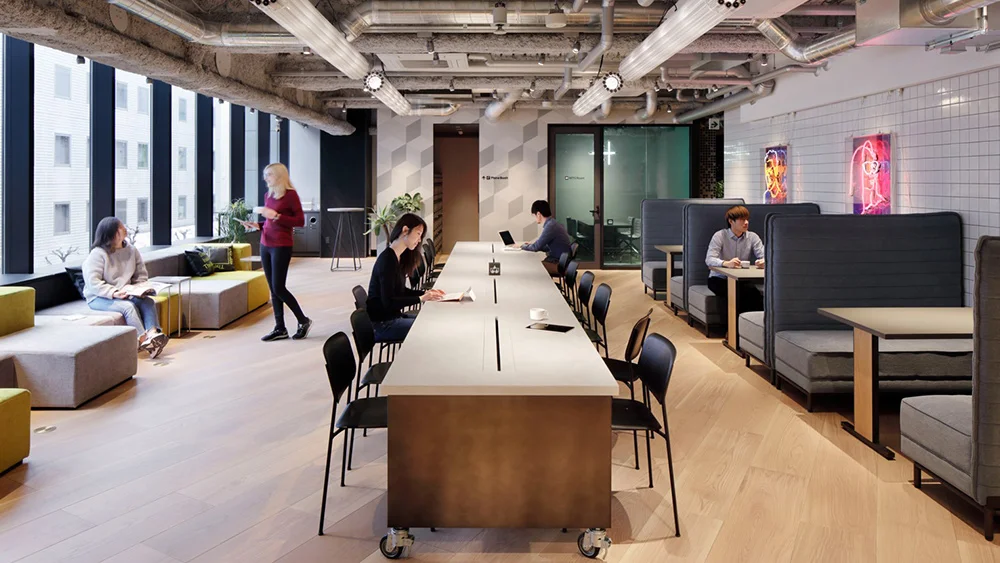
The layout of your coworking space directly affects functionality, comfort, and productivity. You need to create a balanced environment that includes open workstations, private offices, meeting rooms, and common areas for collaboration. Each zone should be designed to support different work styles while maintaining a smooth flow throughout the space.

Careful planning helps maximize your available square footage while creating a comfortable and efficient workplace. A thoughtful layout improves the user experience and helps increase occupancy rates over time.

4. Design a Functional and Attractive Workspace

Workspace design plays a major role in attracting members and creating a productive atmosphere. Comfortable furniture, proper lighting, appealing interiors, and collaborative spaces make the environment more inviting for professionals. A well designed coworking space improves member satisfaction and increases the likelihood of long term retention.

The goal is to create a workspace that feels professional, comfortable, and inspiring while supporting daily productivity.

5. Set Up Essential Infrastructure

Reliable infrastructure is essential for smooth coworking space operations. You will need high speed internet, secure networking, power backup systems, office furniture, and meeting room equipment to support member needs. These operational essentials ensure that members can work efficiently without disruptions.

Providing dependable infrastructure also builds trust and enhances the professional reputation of your coworking business.

6. Choose the Right Technology and Tools

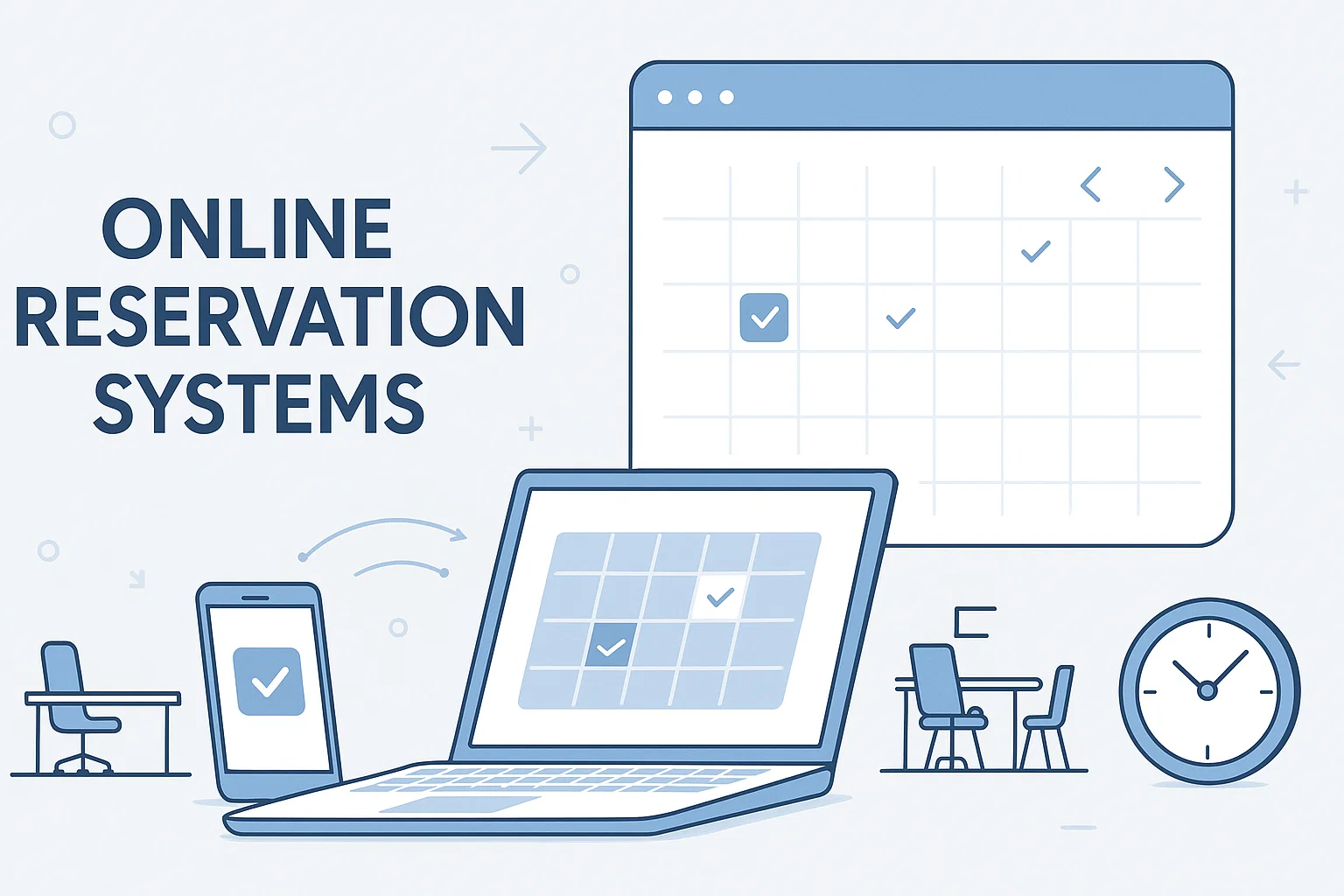
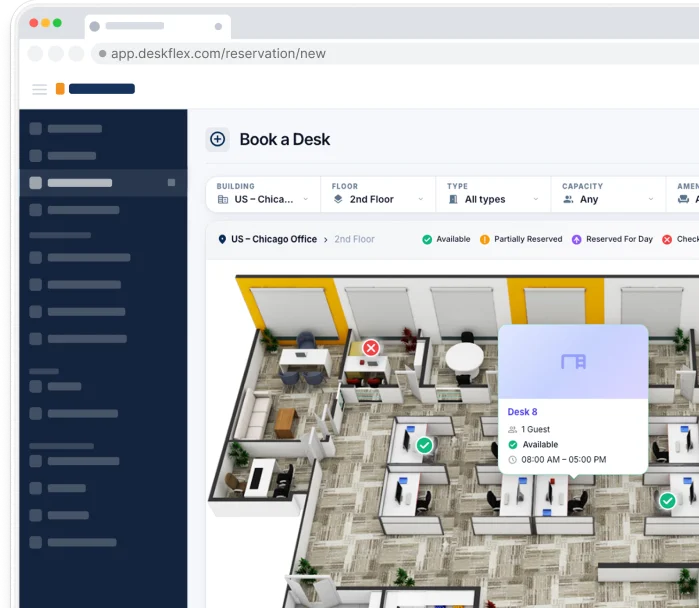
Technology is critical for managing coworking spaces efficiently and improving the member experience. Workspace booking tools, billing systems, access controls, and communication platforms help automate daily tasks and reduce administrative workload. These tools also improve organization and make it easier for members to reserve desks or meeting rooms.

Investing in the right technology from the beginning creates a smoother operation and supports future business growth.

7. Build Pricing Plans and Membership Models

Flexible pricing plans are important because different members have different workspace needs. Some may need daily desk access while others may prefer monthly memberships or private office plans. Offering multiple membership options allows your coworking space to serve a wider audience and maximize occupancy.

Well structured pricing models help generate predictable revenue while giving customers flexibility and value.

8. Handle Legal and Business Requirements

Before launching your coworking space, you need to complete all required legal and operational steps. This includes registering your business, securing licenses, creating membership agreements, and obtaining the necessary insurance coverage. These legal protections help ensure your operations remain compliant and secure.

Taking care of these requirements early helps prevent issues and supports long term business stability.

9. Hire Staff and Set Operations

Managing a coworking space often requires dedicated staff to support daily operations and member services. Team members may handle community management, customer support, maintenance, and billing activities. Having reliable staff improves the overall member experience and keeps the workspace running smoothly.

Strong operations management helps maintain service quality and encourages member retention.

10. Market Your Coworking Space

A strong marketing strategy is necessary to attract your first members and build awareness. Your marketing efforts may include a professional website, local SEO, paid ads, social media, and partnerships with nearby businesses. Promoting your coworking space effectively helps generate leads and build a steady stream of customers.

Consistent marketing is essential for growing occupancy and building long term visibility in your local market.

How to Set Up and Create a Coworking Space?

Setting up a successful coworking space requires careful planning, smart design, and a focus on user experience.
A well structured setup helps create a productive environment while supporting long term growth and member satisfaction.

1. Focus on Functionality and User Experience

Setting up a coworking space requires more than arranging desks and basic office furniture. The environment should be designed to support productivity, comfort, and flexibility for different types of users. Every element, from workspace layout to amenities, should make daily work easier and more efficient for members.

2. Design a Space That Supports Productivity

A well planned design plays a major role in how effectively people can work within the space. You should create a balance between quiet zones for focused work and open areas for collaboration and interaction. Comfortable furniture, proper lighting, and organized layouts help improve both performance and satisfaction.

3. Build a Strong Community Experience

Creating a successful coworking space also involves building a sense of community among members. A welcoming and collaborative environment encourages people to connect, share ideas, and support each other professionally. This sense of belonging increases engagement and makes members more likely to stay long term.

4. Create a Consistent Brand and Experience

Your coworking space should offer a consistent and professional experience that reflects your brand identity. From the design and communication style to services and support, everything should align with your brand values. A strong and consistent experience helps build trust and strengthens your position in the market.

5. Plan for Long Term Growth and Efficiency

A well structured setup should not only meet current needs but also support future growth. Planning for scalability, efficient operations, and the use of technology helps ensure long term success. When your coworking space is designed with growth in mind, it becomes easier to expand services and increase profitability over time.

How Much Does It Cost to Start a Coworking Space?

Starting a coworking space involves both upfront investment and ongoing expenses that vary by size and location.
Understanding these costs helps you plan better and build a sustainable coworking business.

One Time Startup Costs

The initial investment covers everything required to launch your coworking space and make it operational. These costs depend on your space size, design quality, and the level of services you plan to offer.

Major one time expenses include:

  • Rent or lease deposit which can range from $10,000 to $200,000 depending on location and size
  • Renovations and interior design typically costing between $10,000 and $100,000 based on setup quality
  • Furniture and office equipment such as desks and chairs costing around $10,000 to $50,000
  • Technology and internet setup including networking and software ranging from $5,000 to $30,000
  • Marketing and branding such as website and promotions costing between $5,000 and $20,000

Overall, a small coworking space may start around $50,000, while larger premium setups can exceed $300,000 to $500,000.

Ongoing Monthly Costs

After launching, you will need to manage recurring expenses to keep the coworking space running smoothly. These costs are essential for daily operations and maintaining service quality.

Common ongoing expenses include:

  • Monthly rent or mortgage ranging from $3,000 to $30,000 depending on location
  • Utilities including electricity, internet, and maintenance costing around $1,000 to $5,000
  • Staff salaries for management and support teams ranging from $5,000 to $15,000
  • Maintenance and repairs typically costing $500 to $3,000
  • Marketing and advertising to attract members costing around $1,000 to $5,000

Managing these costs efficiently is key to maintaining profitability and long term business growth.

Manage Your Coworking Space Efficiently with DeskFlex

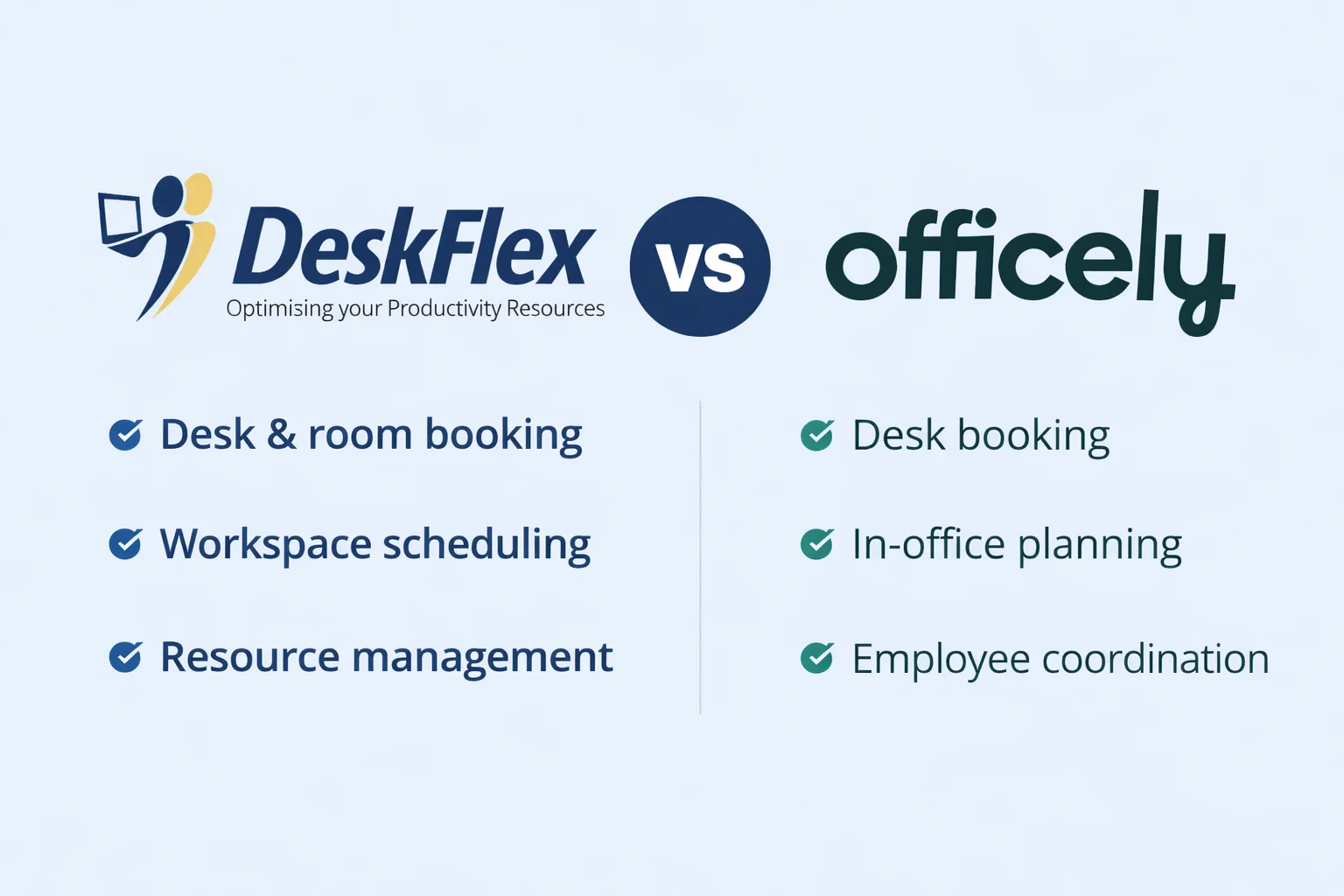
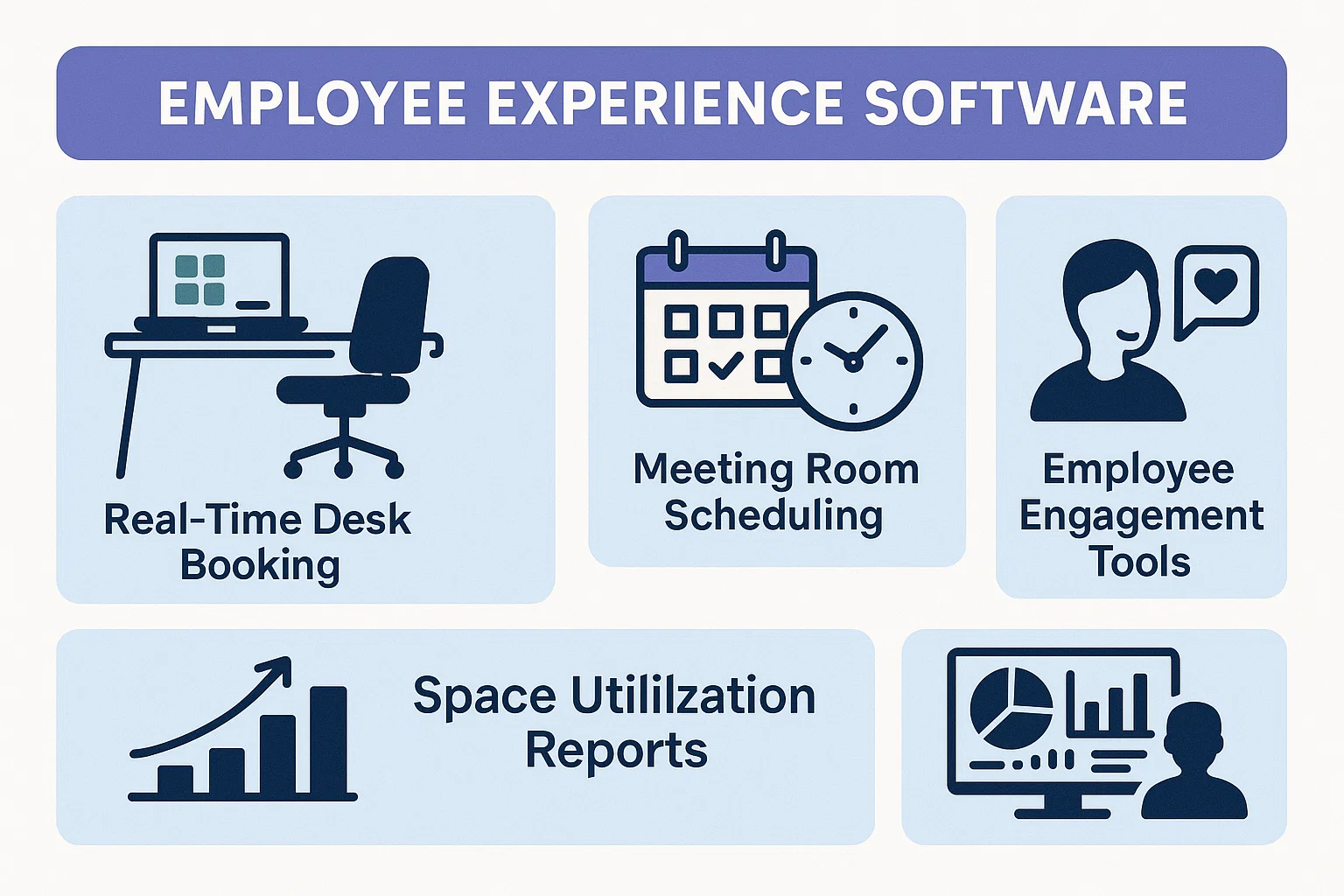
Managing a coworking space becomes much easier when you have the right technology in place to handle daily operations. DeskFlex coworking management software helps streamline processes and improve overall workspace management from a single platform.

It allows you to manage desk booking and meeting room reservations, along with billing and member communication efficiently. This reduces manual work, improves organization, and ensures a smooth experience for both operators and members.

With the right system in place, coworking space owners can increase productivity, enhance member satisfaction, and scale their business with confidence. Book a free demo today and see how DeskFlex can simplify your coworking space management.

Frequently Asked Questions (FAQs)

Yes, coworking spaces are still a strong business opportunity due to rising remote and hybrid work trends. Demand continues to grow as professionals look for flexible and affordable office environments.

The biggest challenge is maintaining consistent occupancy while managing operational costs. Success depends on location, pricing strategy, and creating a strong community experience.

On average, setting up a coworking space can take three to six months depending on property readiness, design work, and infrastructure setup. Larger spaces may take longer due to renovations and planning.

No prior experience is required, but understanding real estate, customer service, and business operations is very helpful. Many new owners also learn through market research and consulting experts.

A successful coworking space focuses on member experience, strong community building, flexible pricing, and efficient space utilization. Consistent marketing and good location also play a key role.