


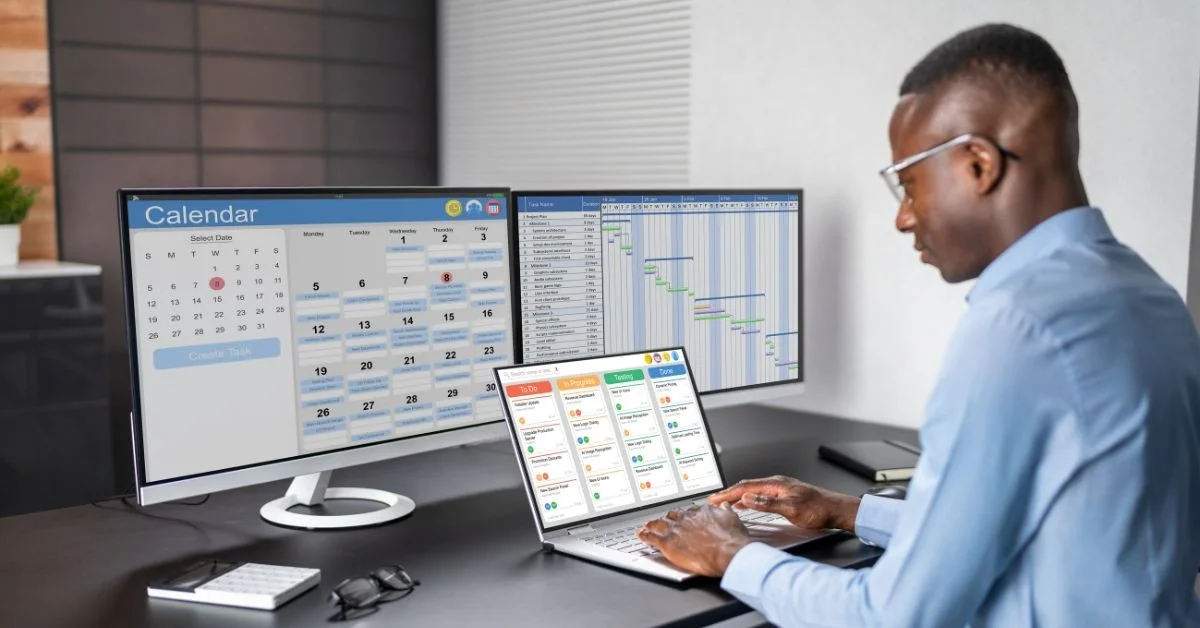
A significant objective is ensuring order, productivity, and safety within every business environment without leaving one’s desk. This sophisticated setup enables effective space management, enhances efficiency, and increases work productivity.
The office space management software has been carefully designed to streamline the organization of work areas with a single click. It provides a comprehensive overview of the entire office layout, identifies opportunities for optimal utilization, and highlights areas requiring improvement. This process can be likened to a strategic video game, akin to FarmVille, but in a tangible, real-world context where you can generate actual financial gains.
Why are space management software essential?
Space management software is essential for organizations looking to make the most of their physical workspaces while supporting modern work styles. Below are the key reasons why these tools are important, explained clearly and practically.
Here are the 8 features of space management software. 👇👇
| No. | Benefits of Space Management Software |
|---|---|
| 1 | Optimizes Space Utilization |
| 2 | Supports Hybrid and Flexible Work |
| 3 | Reduces Real Estate and Operational Costs |
| 4 | Improves Employee Experience |
| 5 | Enhances Planning and Decision-Making |
| 6 | Increases Workplace Efficiency |
| 7 | Improves Compliance and Safety |
| 8 | Scales With Organizational Growth |
1. Optimizes Space Utilization
Space management software provides real-time and historical data on how offices, desks, and meeting rooms are used. This helps organizations identify underutilized or overcrowded areas and redesign spaces more efficiently, reducing wasted square footage.
2. Supports Hybrid and Flexible Work
With employees coming into the office on different days, space management software helps teams plan ahead. Desk and room booking features ensure employees can reserve the spaces they need, while managers maintain visibility into daily occupancy.
3. Reduces Real Estate and Operational Costs
By understanding actual space usage, organizations can downsize unnecessary office space, consolidate locations, or repurpose unused areas. This leads to significant savings in rent, utilities, and maintenance.
4. Improves Employee Experience
Employees benefit from knowing where to work and meet without stress. Easy-to-use booking systems, interactive floor plans, and real-time availability reduce frustration and create a smoother, more productive workday.
5. Enhances Planning and Decision-Making
Data-driven insights help leaders make informed decisions about office layouts, expansion, or redesign. Space management software supports long-term planning based on real usage patterns rather than assumptions.
6. Increases Workplace Efficiency
Automation replaces manual processes like spreadsheets or email coordination. This reduces administrative workload and ensures spaces are allocated fairly and efficiently.
7. Improves Compliance and Safety
Space management systems help manage capacity limits, distancing requirements, and emergency planning. Accurate occupancy data improves safety and compliance in shared work environments.
8. Scales With Organizational Growth
As companies grow or change their work models, space management software adapts easily. It supports multiple locations, growing teams, and evolving workplace strategies without adding complexity.
Critical Elements of Space Management Software
Space management software is built on the ability to provide clear visibility and control over how workplace spaces are used. Critical elements include real-time space availability, desk and room booking, interactive floor maps, and seamless calendar integrations. These features allow employees to easily find and reserve workspaces while helping organizations prevent conflicts, reduce wasted space, and support flexible and hybrid work models.
Equally important are automation, analytics, and scalability. Smart booking rules, automatic release of unused spaces, and mobile access improve efficiency with minimal administrative effort. Reporting and usage analytics give leaders data-driven insights to optimize layouts, reduce costs, and plan for growth. Together, these elements ensure space management software not only simplifies daily operations but also supports long-term workplace strategy and efficiency.
1. Advanced analytics and reporting
Advanced analytics and reporting are a critical element of space management software because they provide clear insights into how workspaces are actually being used. By tracking metrics such as occupancy rates, peak usage times, and space utilization trends, organizations can identify underused areas, reduce inefficiencies, and make data-driven decisions about office layouts and capacity planning. These insights help improve space efficiency, lower operational costs, and support smarter long-term workplace strategies.
2. IoT and sensor integration
IoT and sensor integration enhances space management software by providing real-time, accurate data on how spaces are used. Sensors can detect room occupancy, desk usage, and environmental conditions, automatically updating availability and triggering actions such as releasing unused bookings or adjusting lighting and climate controls. This level of automation improves space utilization, reduces manual check-ins, and helps organizations create more efficient, responsive, and data-driven workplaces.
Finding the Right Software That Is Fit for Your Needs: Types of Space Management Software
When employing space management software in your business, it is vital to determine the needs in your daily operations and know your options. If you are still unfamiliar with this technology, here is a list of the most commonly used software:
- Office space management software: simplifies and eliminates unnecessary processes, often redundant and hampering the workplace’s everyday operations.
- Flex space management software: ensures adaptability in dynamic workplaces. It allows you to customize your spaces and resources easily based on your client’s needs and internal processes.
- Coworking space management software: optimizes your spaces and continually works toward improving the performance of your personnel and the productivity of your resources.
- Shared office space management software: promotes collaboration among team members. It ensures that each individual’s uniqueness is used to achieve a common goal.
Indeed, any of these types of software can help your company, but to choose the best space management software, knowing the most important things to consider is crucial.
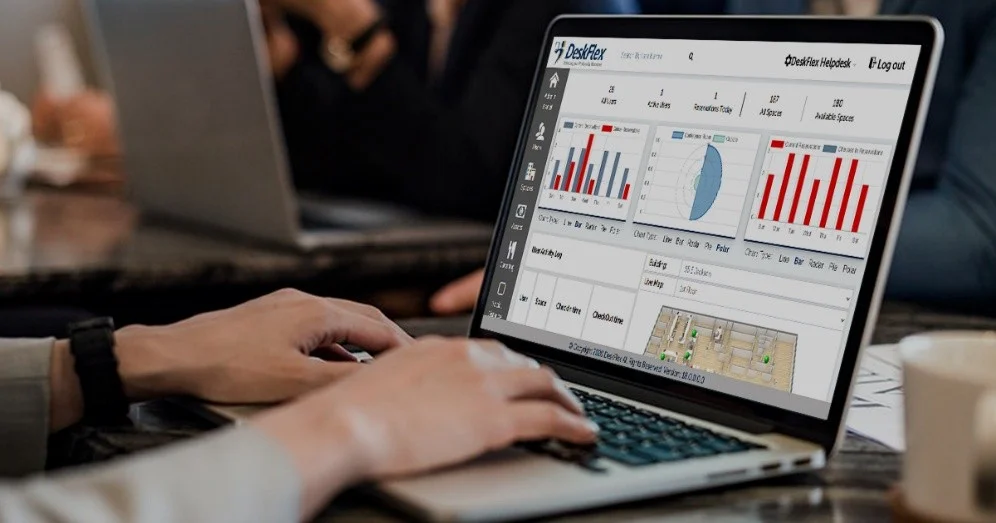
Key Features to Look for in the Best Space Management Software
The office space facilities management software aims to make your daily operations organized and efficient. It can also create a positive working environment and a safe space, as the workers will be in harmony regarding scheduling and resource management. To achieve this, here are the primary features you should look for:
- Real-Time Space Utilization and Analytics: Find out what data your space management software can provide, how to view it, and how quickly. Prompt data reporting and real-time monitoring will allow you to make necessary adjustments immediately.
- Desk Booking, Hot Desking, and Occupancy Sensors: Evaluate the user-friendliness and functionality of the booking system in your office space facilities management software. Determine whether the interface is suitable for your target market or your staff. Test the sensors and how they will communicate the activities in the spaces to the system.
- Interactive Office Layouts and Room Scheduling: Organizing can sometimes be tedious, so first, we need to know the software’s interface and how easy and responsive it is when used. Determine how the rooms can be scheduled, and each space will be shown, so there will be an easier transition once you implement the Shared Office Space Management Software.
- Visitor Management & Space Optimization Tools: Visitor movement can provide valuable insights into your space’s friendliness, providing a warm welcome. Therefore, it’s crucial to think carefully about the software’s integration of this feature.
- Reporting and Data-Driven Insights: Aside from the real-time reporting, it is also important that your space management software gives you accurate data so you can act accordingly.
How Space Management Software Transforms Your Workspace Efficiency?
Integrating a new tool can be challenging, often requiring system adjustments. However, finding the right fit for your business makes the learning curve and the transition process worthwhile, as it can increase your productivity and efficiency.
- Maximize Office Space Utilization while reducing cost: Improving oftentimes comes with a fee due to the changes in the system. The best coworking space management software can offer a solution, as its primary aim is to utilize and maximize your existing spaces and resources. Thus, you can save time and money by efficiently managing resources and space.
- Support Hybrid Work Environments with Flexible Space Management: This software also utilizes the new working setups, allowing everyone to work where they feel most productive. The shared office space management software promotes flexibility while ensuring everyone performs their role.
- Improve Employee Productivity with Easy Space Booking: The centralized booking system offered by the space management software shows employees the available spaces and resources so they can easily plan out their activities. They can schedule meetings and activities without talking to many people or offices. This streamlines the scheduling and lets the employees focus on the job.
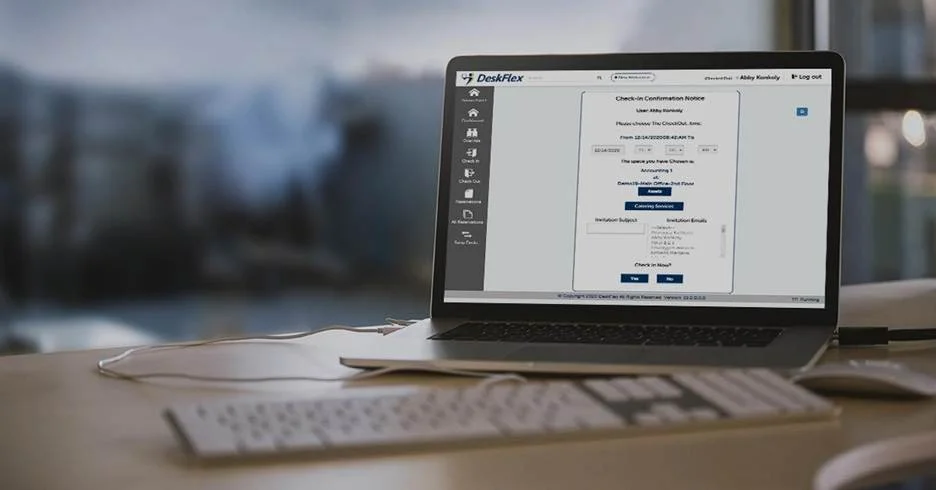
Best Space Management Software: Why DeskFlex Stands Out in 2026?
With all the mentioned considerations above and based on client feedback, DeskFlex is the best office space management software. It transforms organizations, industries, and corporate workplaces with innovative desk booking and office hoteling software solutions.
Its key features include:
- Hybrid Workplace Management System: It provides Point and Click Floor Maps. They provide a quick search for space and booking, encourage safer work environments, and simplify amenity recognition for easy access and use, among many other benefits.
- Flexcube: for up-to-date information display for real-time office space facilities management software, which enhances team member productivity and optimizes space utilization.
DeskFlex is ideal for modern workplaces as it encourages collaboration among employees and clients while recognizing their need for personal or safe spaces. This space management software adheres to the current trend of creating a space for everyone.
DeskFlex optimizes office and coworking spaces by providing flex space management software for all kinds of work setups and is responsive to the needs of the industry.
Best Free Coworking Space Management Software Options
If you are not yet ready to commit and invest, try these free software tools. You can then discover how these tools improve productivity and efficiency for your team. Here is the top free coworking space management software for 2025:
- Trello for more visual management of projects
- Asana for team project management
- Click Up for more customized task views
The pros of using free software: it is free! It has basic, easy-to-use features, and many tutorials are available.
The free software has drawbacks: you can’t fully use its features to boost productivity, your data is at risk due to less security, and there’s little to no tech support if your space management software has issues, despite many tutorials.
Choosing the Right Space Management Software for Your Business
The most important thing is that it perfectly fits your business needs. Here are some important considerations for choosing the right one:
- Scalability: Make sure that choosing the best coworking space management software will allow you to grow with your company, be flexible to changes, and quickly adapt to your goals.
- You must tailor the key features: to your business needs. Essential features include real-time data tracking for space usage, hot desking options, interactive floor plans, and easy-to-use space planning tools.
- Integration with Existing Technologies: It is vital to ensure that your chosen software integrates easily with your current system. You aim to simplify the processes and not complicate them by changing your system.
The Future of Space Management Software: Trends to watch
While the technology for space management software is already highly advanced, it continues to evolve, just like your business and its growing demands. To keep up with these changes, the best space management software offers features that will support and grow with you into the future. Here are the trends to watch:
- AI and automation: AI-powered tools revolutionize workspace management with smart space allocation and automated desk assignments.
- Hybrid Work’s Impact on Office Design: Offices are adapting flexible layouts, collaboration zones, and better tech to support hybrid work models.
- Sustainability in Space Management: Modern tools prioritize energy efficiency, bright lighting, and eco-friendly office practices.
By choosing the right space management software, businesses can create a workspace that’s efficient, modern, and enjoyable. After all, who wants to work in a chaotic office mess?
FAQs
What is the best coworking management software?
The best space management software depends on your needs. DeskFlex scheduling software is one of the top choices for managing bookings, memberships, and space utilization.
How does coworking ERP software streamline operations in coworking spaces?
Coworking ERP software automates billing, space reservations, member management, and visitor check-ins, reducing manual work and improving efficiency.
How do I choose coworking space software?
Look for ease of use, scalability, integration, and features like room booking, membership management, and analytics to help optimize your coworking space.
What kind of meeting room management software do coworking spaces use?
Popular meeting room management tools include DeskFlex because it provides several tools you can utilize to meet the various needs of your business. These allow users to book meeting spaces in real-time and avoid scheduling conflicts.
What are the top features to look for in office space management software?
Key features include real-time space utilization tracking, desk and meeting room booking, interactive office layouts, visitor management, and robust analytics