


Blog
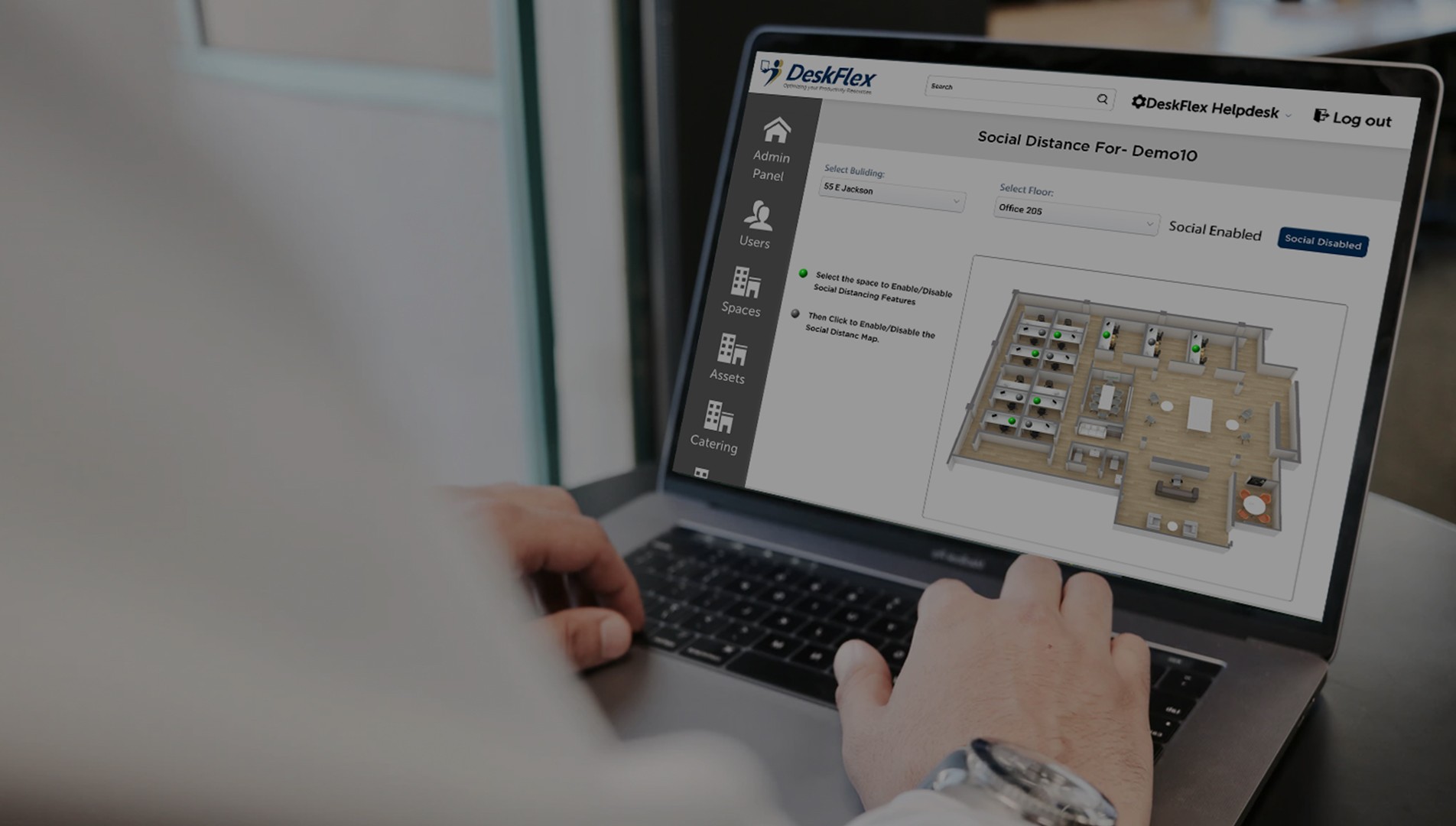
How Space Management Software Helps Organizations Return to the Office Safely and Efficiently
Introduction: The Evolution of the Workplace After COVID-19
The COVID-19 pandemic dramatically changed how organizations operate. Offices around the world were forced to shut down or transition to remote work, disrupting traditional workplace structures. As companies began reopening their offices, it became clear that returning to the previous workplace model was no longer practical.
Today, many organizations operate with hybrid work environments, where employees split time between remote work and the office. This shift has created new challenges related to office space management, meeting room scheduling, and workplace coordination.
To address these challenges, companies are increasingly adopting space management software to better manage office resources. These solutions allow organizations to control workspace capacity, schedule desks and meeting rooms, and improve overall workplace efficiency.
Modern workplace management platforms like DeskFlex provide businesses with the tools needed to streamline office operations while supporting flexible work arrangements and modern office technologies.
Why Businesses Need Space Management Software Today
As organizations transition into hybrid work environments, managing office space effectively has become more complex. Traditional office layouts, where each employee had an assigned desk, are no longer efficient in flexible workplaces.
Space management software helps businesses optimize how their office spaces are used by providing tools for scheduling desks, reserving meeting rooms, and monitoring workspace availability.
Key reasons businesses need space management software include:
Managing hybrid work schedules
Preventing meeting room conflicts
Optimizing office space utilization
Supporting flexible desk sharing
Improving workplace collaboration
With the help of modern workplace management systems, organizations can make better use of their office space while ensuring employees have access to the resources they need.
How Desk Booking and Room Scheduling Improve Workplace Productivity
Desk booking and meeting room scheduling systems play an essential role in improving workplace productivity. These systems allow employees to reserve workspaces before arriving at the office, reducing uncertainty and saving time.
When employees can easily book desks or meeting rooms, they spend less time searching for available spaces and more time focusing on productive work.
Desk and room scheduling systems help organizations:
Reduce workspace conflicts
Improve meeting coordination
Support flexible work arrangements
Maximize office resource usage
By providing employees with an easy way to reserve workspaces, organizations can create a more organized and productive workplace environment.
Intelligent Room Scheduling for Flexible Offices
In flexible workplaces, meeting rooms are shared resources that must be carefully managed. Without proper scheduling systems, meeting rooms can quickly become double-booked or underutilized.
Intelligent room scheduling software allows employees to view real-time availability of meeting rooms and reserve them instantly through an integrated platform.
Advanced room scheduling solutions offer features such as:
Real-time room availability
Automated booking confirmations
Meeting room capacity management
Integration with calendar platforms
Solutions like DeskFlex meeting room scheduling software help organizations ensure meeting spaces are used efficiently while eliminating scheduling conflicts.
Visual Workspace Management With Smart Office Technology
Modern workplaces are increasingly adopting visual workspace management tools that allow employees to see office layouts and available workspaces through interactive floor plans.
Interactive office maps provide employees with a visual representation of available desks, meeting rooms, and shared spaces. This helps employees quickly locate available workspaces and navigate office environments more easily.
Smart workspace technology may include:
Interactive office floor maps
Real-time desk availability indicators
workspace occupancy tracking
smart desk indicators
DeskFlex offers visual workspace tools that allow employees to easily locate and reserve available desks or meeting rooms, making the office experience more convenient and efficient.
Supporting Hybrid Work With Modern Workplace Technology
Hybrid work has become the standard operating model for many organizations. Employees now expect the flexibility to work both remotely and in the office.
To support this new work environment, organizations need technology that allows them to coordinate employee schedules and manage office resources effectively.
Workplace management platforms help organizations support hybrid work by providing:
flexible desk booking
meeting room reservations
workspace scheduling
employee attendance visibility
DeskFlex enables companies to manage hybrid workplaces by allowing employees to reserve desks and meeting rooms while giving managers insight into office occupancy and resource utilization.
Improving Workplace Safety With Smart Space Planning
Maintaining a safe workplace remains an important priority for many organizations. Space management software can help businesses implement workplace safety strategies by controlling office occupancy and managing workspace layouts.
Smart space planning tools allow organizations to:
manage office capacity
maintain appropriate workspace distancing
schedule workspace cleaning
monitor room occupancy levels
By implementing smart scheduling systems, companies can ensure that office spaces remain safe, organized, and efficient.
Key Features of DeskFlex Workplace Management Software
DeskFlex provides a comprehensive workplace management solution designed to support modern office environments.
Key features include:
Desk Booking
Employees can reserve desks before arriving at the office, ensuring they always have a workspace available.
Meeting Room Scheduling
DeskFlex allows employees to check meeting room availability and book conference spaces instantly.
Interactive Floor Maps
Visual office layouts help employees locate available desks and meeting rooms quickly.
Workspace Analytics
Organizations can track space utilization and identify opportunities to optimize office layouts.
Calendar Integrations
DeskFlex integrates with workplace tools and calendars to streamline scheduling and improve workplace coordination.
These features help organizations create more organized, flexible, and productive work environments.
Benefits of Using DeskFlex for Modern Office Management
Implementing a workplace management solution like DeskFlex offers several benefits for organizations adapting to modern work environments.
Key benefits include:
improved workplace productivity
optimized office space utilization
better meeting room management
enhanced employee collaboration
streamlined workspace scheduling
DeskFlex helps businesses transform traditional office environments into smart workplaces that support flexibility, collaboration, and efficiency.
The Future of Workplace Space Management
The future of office management is increasingly driven by technology. As workplaces continue evolving, organizations will rely on advanced workplace management tools to support flexible work models.
Emerging trends in workplace management include:
AI-powered workspace analytics
smart office automation
real-time occupancy monitoring
data-driven space planning
Companies that adopt modern workplace technologies will be better positioned to create productive and adaptable office environments.
Conclusion: Build a Smarter Workplace With DeskFlex
Returning to the office requires more than simply reopening physical spaces. Organizations must implement modern workplace technologies that allow them to manage office resources efficiently and support flexible work arrangements.
Space management software plays a critical role in helping organizations coordinate employees, schedule meeting rooms, and optimize workspace usage.
With solutions like DeskFlex workplace management software, businesses can improve workplace productivity, reduce scheduling conflicts, and create smarter, more efficient office environments.
Frequently Asked Questions (FAQs)
1. What is space management software?
Space management software is a workplace management solution that helps organizations monitor, schedule, and optimize office spaces such as desks, meeting rooms, and shared work areas. It allows businesses to track workspace availability, manage reservations, and improve office efficiency, especially in hybrid work environments.
2. How does desk booking software work?
Desk booking software allows employees to reserve workspaces in advance through an online platform or mobile application. Employees can view available desks, select a preferred workspace, and confirm reservations before arriving at the office. This system helps organizations manage shared desks and flexible work schedules more efficiently.
3. Why is meeting room scheduling important in modern workplaces?
Meeting room scheduling helps organizations prevent double bookings and ensure that meeting spaces are used efficiently. With room scheduling software, employees can check real-time availability, reserve conference rooms instantly, and manage meeting logistics without scheduling conflicts.
4. How does space management software support hybrid work?
Space management software helps organizations coordinate hybrid work schedules by allowing employees to reserve desks and meeting rooms before coming to the office. It also provides insights into office occupancy and space utilization, helping companies manage flexible work environments more effectively.
5. What features should a workplace management system include?
A modern workplace management system should include desk booking, meeting room scheduling, workspace analytics, interactive floor maps, and calendar integrations. These features allow organizations to manage office resources efficiently while improving collaboration and productivity in hybrid workplaces.