Hot Desks vs. Dedicated Desks: What’s the Best Pick for a Coworking Space?
Coworking spaces are booming around the world. Statista’s 2023 analysis predicts that the coworking industry will exceed $13 billion by 2025, reflecting the shift toward flexible office spaces. This growing demand reflects how professionals today crave flexibility, collaboration, and community in their work environments.
From digital nomads to hybrid employees, this model caters to a wide spectrum of users—making desk choice critical. It offers flexible, community-based working environments ideal for freelancers, entrepreneurs, and remote workers. However, because not everyone works the same way, coworking spaces provide various workstations to meet the needs of different individuals.
Two of the most common options are hot desks and dedicated desks. Selecting the right kind might affect networking as well as productivity. How can you determine which option best fits your needs? And should you run a coworking space, how would you choose the combination to present?
In this article, we’ll compare the two desk options and see how providing both could revolutionise your coworking space. Stay tuned!
What is a hot desk?
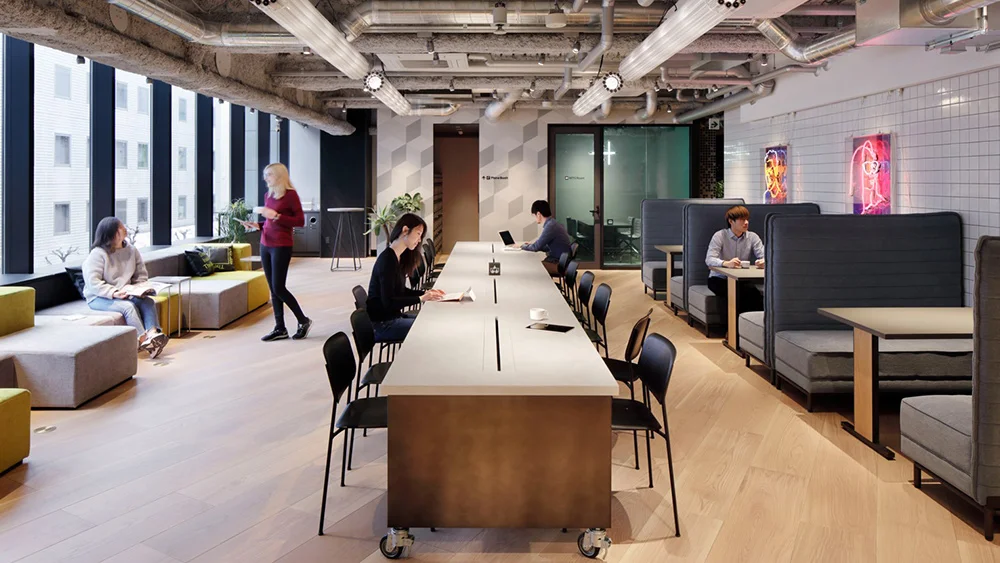
An open desk, commonly called a hot desk, is a temporary workspace for freelance employees, students, and independent contractors.Hot desk coworking, sometimes known as desk hoteling, is a growing trend. Think of it like choosing a table at a coffee shop—you grab an available seat, get your work done, and then leave. The next person can take that spot after you leave the premises.
To make it clearer, imagine this: A freelancer who mostly works from home starts feeling stuck in the same routine. On days they need a fresh vibe, they head to a coworking space, grab any available hot desk, and get to work. No long-term commitment—just a productive day in a new setting.
In a nutshell, this kind of setup offers flexibility, variety, and the chance to meet new people every time. It’s perfect for professionals who want freedom without sacrificing focus.
Benefits of Hot Desking in a Coworking Space
This setup isn’t just about flexibility; it has practical advantages that appeal to many coworking members. Here’s why hot desking continues to gain popularity among modern professionals:- Cost-Effective
- Flexible Usage
- Great for Networking
- Perfect for Mobile Professionals
What is a dedicated desk?
A dedicated desk is your assigned workspace in a shared office. No one else uses it. You can leave your monitor, documents, or even a plant there. It’s your mini office.Dedicated desks are often placed in quieter zones and may come with lockable storage. They offer the feel of a private office while still being part of a coworking environment. Picture someone running a small business or working full-time from a coworking space. They prefer a consistent setup and use a dedicated desk to keep dual monitors, notebooks, and personal items ready to go every day. This setup boosts their focus and creates a routine that supports long-term productivity.
Benefits of Dedicated Desks in Coworking Spaces
Dedicated desks give members more than just a seat. They will help you spot on😎. Here is a breakdown of the benefits of dedicated desks.- Consistent Personal Workspace
- Leave Your Equipment Behind
- More Professional Image
- Great for Routine Lovers
Hot Desk vs Dedicated Desk: Key Differences
To clarify things, here is a comparison that shows how hot desks and dedicated desks differ in features, costs, and who they work best for.| Feature | Hot Desk | Dedicated Desk |
|---|---|---|
| Personal space | No | Yes |
| Can leave the equipment | No | Yes |
| Cost | Lower | Higher |
| Flexibility | High | Medium |
| Social Interaction | High | Medium |
| Professional setup | Basic | Customizable |
| Booking style | First come or by schedule | Reserved full-time |
| Space turnover | High | Low |
Not all desks fit all users. Let’s match roles to desk types so you can decide quickly.
Use Case Matrix: Who Should Use What?
| User Type | Best Fit | Why |
|---|---|---|
| Freelancer | Hot Desk | Flexible, low-cost, social |
| Remote Employee | Hot Desk / Hoteling | Occasional use, needs variety |
| Startup Team | Dedicated Desk | Consistency, collaboration |
| Consultant | Hoteling | Predictable schedule, needs booking |
| Designer | Dedicated Desk | Equipment-heavy setup |
Still unsure? This quick self-check will help you figure out what suits your workflow best.
👉 Do you need to leave your monitor or files overnight? → Dedicated Desk
👉 Do you enjoy meeting new people regularly? → Hot Desk
👉 Do you thrive with structure and routine? → Dedicated Desk
👉 Do you only need a desk a few times a week? → Hot Desk or Hoteling
OR here is the smart move? Offer both. Here’s why that strategy works for every type of coworking member.
Why Should You Offer Hot Desks and Dedicated Desks in Your Coworking Space?
As a coworking operator, offering both options makes your space more versatile and appealing. Here’s why:
- You Attract Different Types of Users
Some people only need a space once or twice a week. Others want a full-time base. Offering both hot desks and dedicated desks means you can serve both groups.
- Flexible Revenue Streams
Hot desks can be rented by the hour or day, while dedicated desks can be rented monthly. That’s a steady flow of income from different sources.
- Better Space Utilization
Not every corner of your coworking space needs to be a permanent setup. Mixing hot desk office space with dedicated zones maximizes usage.
- Stronger Community Feel
Dedicated desk users bring routine, while hot desk users bring fresh energy. Together, they create a dynamic, balanced workspace environment.
- Adapt to Changing Work Trends
With remote and hybrid work growing, coworking needs are shifting. Some members may start on hot desks, then move to dedicated desks as their needs grow. Offering both helps you stay adaptable.
Here’s a quick summary of what you get when offering both desk types:
Benefits of Your Workspace
| Benefit | Value to the Workspace |
|---|---|
| Serves More Members | Attracts freelancers, teams, part-timers, and full-timers |
| Maximizes Revenue | Hourly, daily, and monthly rental options |
| Boosts Retention | Members can transition from a hot desk to a dedicated one as needs grow |
| Supports Community | A mix of regulars and new faces builds a vibrant culture |
| Adapts to Trends | Keeps your space relevant and future-ready |
This mix helps coworking operators stay competitive and responsive in a changing work landscape.
Now let’s figure out how to strike the right balance between the two.
Common Struggles with Hot and Dedicated Desks (and How to Fix Them)
Every setup has its pros and cons. Knowing the challenges and how to handle them helps coworking operators build a more efficient and member-friendly space.
Hot Desk Challenges
Noise and Distractions
Busy shared spaces can get loud, making it hard to focus.
✅ Solution: Designate quiet zones or provide noise-canceling tools like headphones.
Uncertainty in Availability
Members may not always find an open desk.
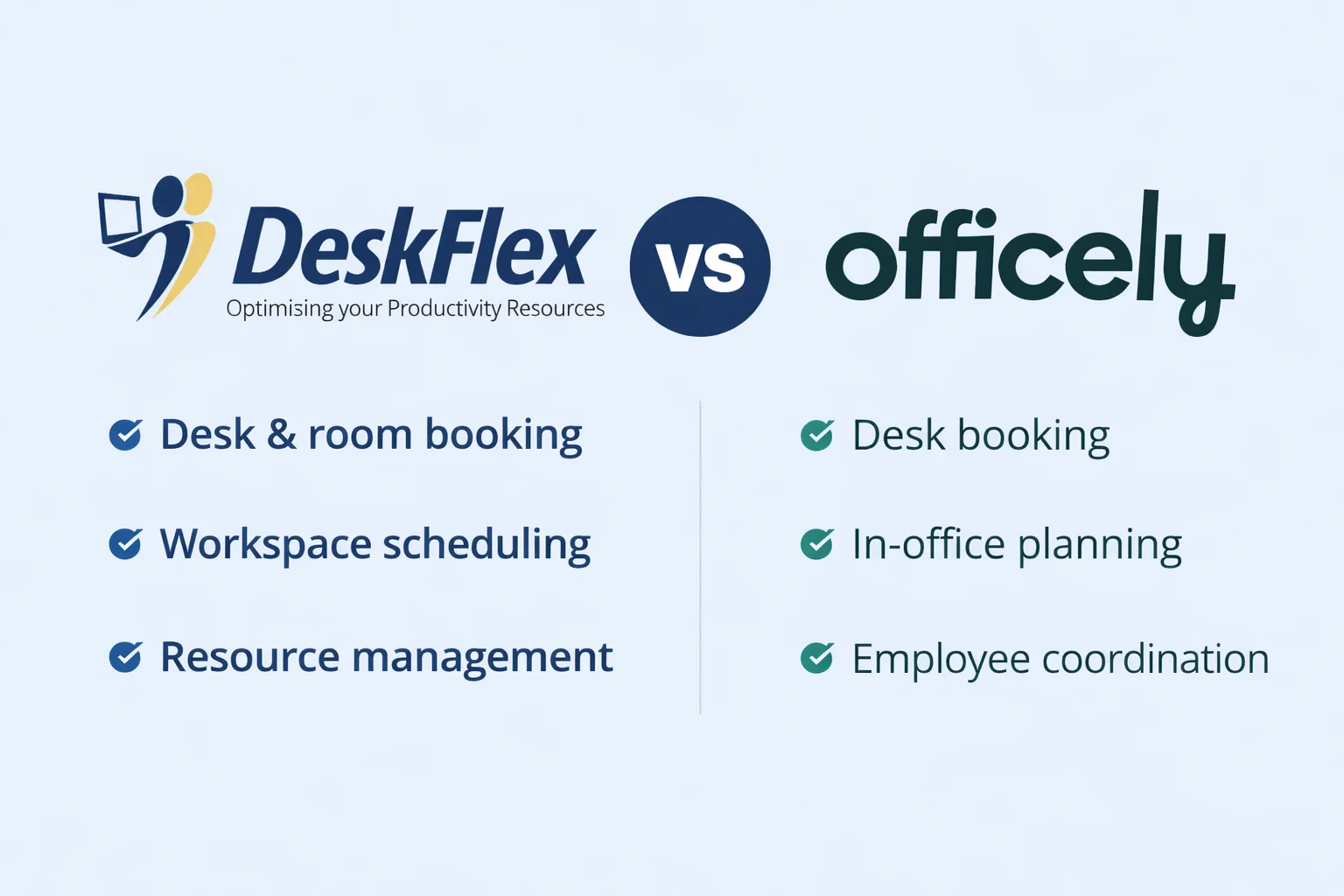
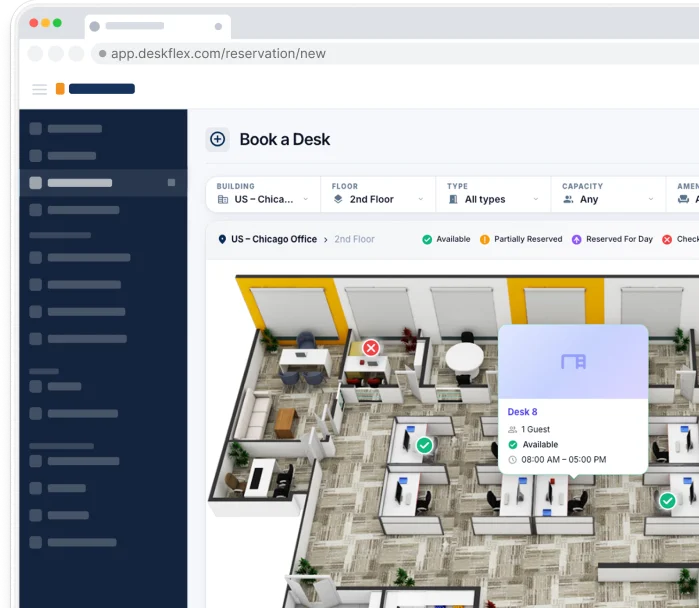
✅ Solution: Use desk booking tools like DeskFlex to manage desk use in real time and avoid frustration.
Dedicated Desk Challenges
Underused Space
When users are away or part-time, their desks may sit empty.
✅ Solution: Allow part-time sharing or subleasing to keep the space active.
Higher Costs
Dedicated desks have a higher price tag that may not work for everyone.
✅ Solution: Add value through perks like secure storage or access to private meeting rooms.
Now that we’ve covered challenges and solutions, let’s look at how to decide the right mix of desk types.
Want to Try Your Desired Solution?
Get started with Deskflex. Trusted by 1200+ loyal and happy customers
How to Determine the Right Mix of Dedicated Desks and Hot Desks
So, how do you decide how many of each desk type to offer? Here are a few smart steps:
1. Study Your Market
Are your members mostly freelancers, small teams, or corporate users? What do they need most?
2. Track Usage Patterns
Which areas are always busy? Which stays empty? Hot desks may need more space during peak hours.
3. Design Smart Layouts
Create quiet zones for focused work and open areas for flexible seating. You can also incorporate workspace technology like DeskFlex to help manage these zones efficiently and ensure members always find the setup that suits them best. Use partitions to define spaces.
4. Offer Flexible Memberships
Let users switch between hot desk space and dedicated desks if their needs change. Monthly plans, hourly rates, or hybrid options work well.
5. Ask for Feedback
Talk to your members. Their input can help you adjust your desk layout and improve the coworking experience.
One coworking space, for example, started with only hot desks. But after listening to feedback from members who wanted to leave equipment behind or have a more consistent work setup, they converted part of the open floor into ten dedicated desks. The result? Higher retention, more predictable revenue, and happier members.
6. Test and Tweak
Start with a pilot layout. Monitor usage for a few months, then adjust the ratio based on real behaviour, not just assumptions.
Final Thoughts
Hot desks and dedicated desks each serve a unique purpose. One offers flexibility and spontaneity, while the other provides structure and comfort.
For coworking space operators, offering both is the smartest strategy. This approach helps you welcome a broader range of users, build a stronger sense of community, and earn more consistent income.
Ready to boost retention, revenue, and community in your coworking space? DeskFlex helps you manage it all—seamlessly. From hot desk reservations to managing dedicated zones, our platform makes it simple to scale smartly.
Take charge of your coworking future. Your smartest setup starts right here
Frequently Asked Questions (FAQs)
1. What is a hot desk?
A hot desk is a shared workspace that employees use on a first-come, first-served basis, with no assigned seating.
2. What is a dedicated desk?
A dedicated desk is a permanently assigned workstation reserved for one individual, allowing personalization and consistent use.
3. Which is cheaper: hot desks or dedicated desks?
Hot desks are generally cheaper because they reduce the total number of desks needed and lower real estate and utility costs.
4. Are hot desks suitable for all teams?
No. Hot desks work best for hybrid or remote teams, while teams needing consistency, equipment, or privacy benefit more from dedicated desks.
5. Do dedicated desks improve productivity?
Yes, dedicated desks often improve productivity for roles requiring focus, specialized equipment, or daily in-office presence.
6. Can hot desks affect employee satisfaction?
Hot desks can improve flexibility but may reduce satisfaction if employees struggle to find space or miss having a personalized setup.
7. Which option is better for hybrid work?
Hot desks are typically better for hybrid work models, as they accommodate fluctuating office attendance.
8. Are dedicated desks more secure?
Yes. Dedicated desks offer better security for personal items, documents, and equipment.
9. What are the pros and cons of hot desking?
Pros: Cost savings, flexibility, space efficiency
Cons: Lack of personalization, potential overcrowding, hygiene concerns
10. Why do companies choose hot desking?
Companies choose hot desking to reduce office costs, support hybrid work, and optimize underused office space.
11. Can hot desking work long-term?
Yes, but only with proper desk-booking systems, clear policies, and sufficient desk availability.
12. Which desk type is better for startups?
Startups often prefer hot desks due to lower costs and flexibility during growth phases.


Support
Demo
Blog