


Blog
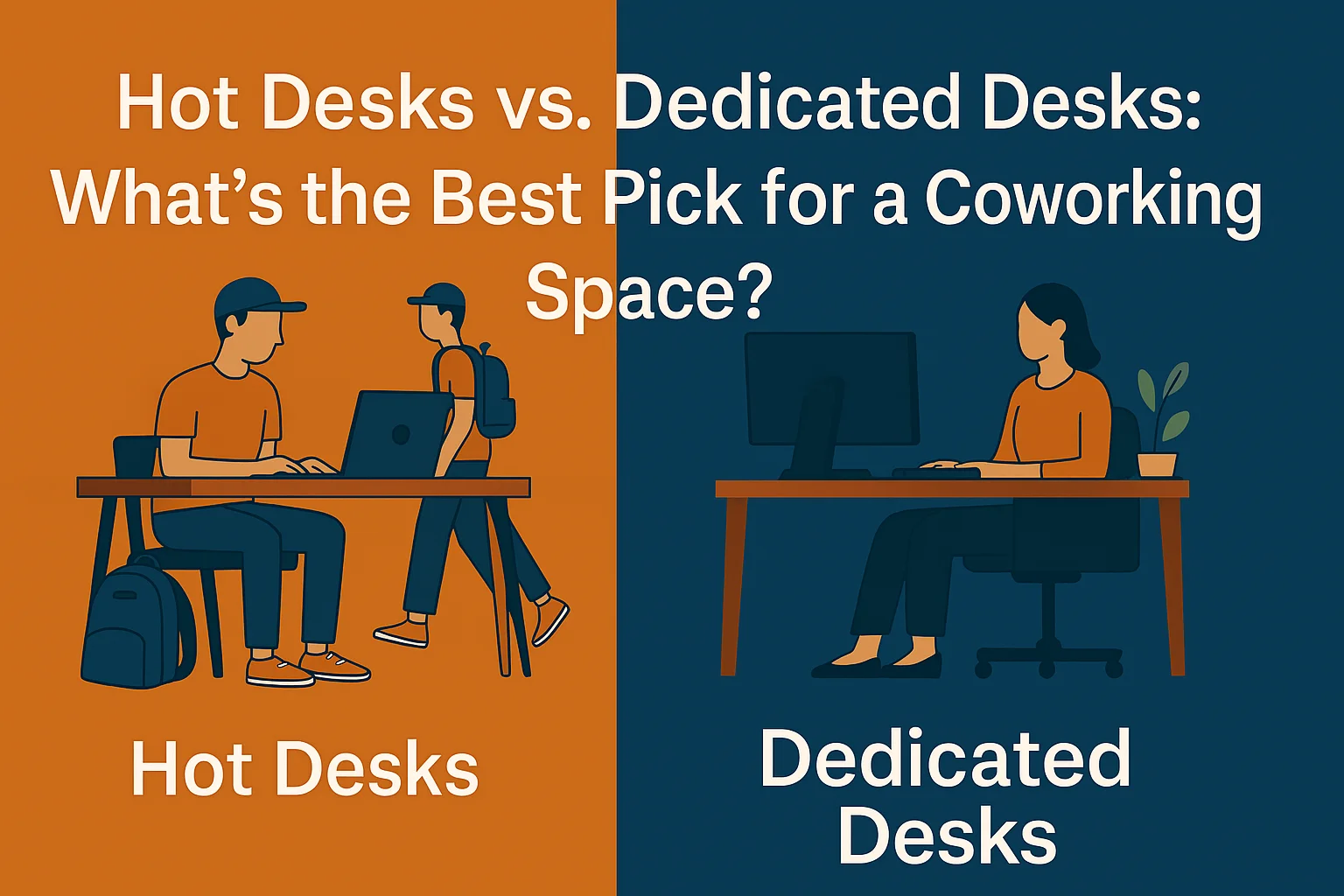
Hot Desks vs. Dedicated Desks: What’s the Best Pick for a Coworking Space?
Coworking spaces are growing rapidly worldwide as professionals seek flexibility, collaboration, and a stronger sense of community. According to Statista, the coworking industry is expected to exceed $13 billion by 2025, highlighting a major shift toward flexible office environments.
From freelancers and digital nomads to hybrid employees and small teams, coworking spaces attract people with very different work styles. That makes desk selection a critical decision. Not every member works the same way, and choosing the right desk setup can impact productivity, comfort, and networking opportunities.
Two of the most common workspace options are hot desks and dedicated desks. Each serves a different purpose, and understanding the difference helps both members and coworking operators make smarter choices.
This guide breaks down hot desking and dedicated desking, compares their benefits and drawbacks, and explains why offering both can be the smartest strategy for coworking spaces.
What Is a Hot Desk?
A hot desk is a shared, temporary workspace that members can use on a first come basis or through short term booking. Once someone finishes their work, the desk becomes available for the next person.
Hot desking is often compared to choosing a seat at a coffee shop. You arrive, pick an available spot, work for the day, and leave without long term commitment.
This model is popular among freelancers, students, remote workers, and professionals who do not need a fixed desk every day.
Key Features of Hot Desking
Hot desking is designed to support flexible workstyles by allowing people to use available desks as needed. These features make it a popular choice in modern coworking spaces and hybrid offices.
- No Permanently Assigned Desks: Hot desking does not reserve a desk for any individual. Members choose any available workspace when they arrive.
- Flexible Usage by the Hour, Day, or Week: Users can book a desk only for the time they need, making it ideal for part-time workers and freelancers.
- Shared Work Environment: Desks are shared among multiple users, encouraging collaboration and interaction throughout the day.
- Often Located in Open or Collaborative Areas: Hot desks are usually placed in open spaces where teamwork, communication, and networking happen naturally.
- Minimal Setup Required: Since desks are used temporarily, members typically bring only essential items and pack up when they leave.
Benefits of Hot Desking in a Coworking Space
Hot desking offers practical advantages for both coworking members and space operators. It supports flexibility, affordability, and collaboration in shared work environments.
- Cost Effective: Hot desks are usually more affordable than dedicated desks, making them a smart choice for budget conscious freelancers and part-time users.
- High Flexibility: Members can choose when and where to work without being tied to a fixed desk or long-term commitment.
- Encourages Networking: Working next to different people each day creates more opportunities for conversations, collaboration, and professional connections.
- Ideal for Mobile Professionals: Hot desking is perfect for travelers, remote workers, or anyone who only needs a workspace a few times a week.
Drawbacks of Hot Desking
While hot desking offers flexibility, it may not suit every work style. Understanding these drawbacks helps members and coworking operators plan better solutions.
- Limited Personalization: Members cannot leave monitors, documents, or personal items at the desk, which can make daily setup less convenient.
- Availability Uncertainty: During busy hours, finding an open desk can be frustrating without a proper booking or tracking system in place.
- Potential Noise and Distractions: Open seating areas can become noisy, making it harder for some users to focus on deep or concentrated work.
What Is a Dedicated Desk?
A dedicated desk is a permanently assigned workspace within a shared office. Only one member uses it, and it remains reserved for them full time.
Dedicated desks offer the feel of a personal office while maintaining access to shared coworking amenities. Members can leave equipment, decorate their space, and build a consistent daily routine.
This setup is popular with full time remote workers, consultants, designers, and small startup teams.
Key Features of Dedicated Desking
Dedicated desking is designed for professionals who need consistency and a stable work environment. These features make it ideal for long-term coworking members.
- One Desk Assigned to One Member: Each desk is permanently assigned, ensuring the space is always available for the same person.
- Ability to Leave Equipment Overnight: Members can safely leave monitors, keyboards, documents, and other work tools at their desk.
- Often Located in Quieter Zones: Dedicated desks are usually placed in quieter areas to support focus and uninterrupted work.
- May Include Lockable Storage: Many dedicated desks offer secure storage options for personal and work-related items.
- Monthly Membership Model: Dedicated desks are typically rented on a monthly basis, providing consistency for both members and coworking operators.
Benefits of Dedicated Desking in Coworking Spaces
Dedicated desking provides stability, focus, and convenience for professionals who need a consistent workspace. These benefits make it ideal for long-term coworking members.
- Consistent Workspace: Members know exactly where they will sit every day, reducing setup time and eliminating uncertainty.
- Equipment Friendly: Perfect for users who rely on monitors, keyboards, or other specialized tools they need regularly.
- More Professional Image: Having a dedicated desk supports client meetings and video calls with a polished, reliable setup.
- Supports Routine and Focus: Best suited for people who thrive on structure, routine, and uninterrupted work environments.
Drawbacks of Dedicated Desking
While dedicated desks offer stability and personalization, they come with some limitations that coworking operators and members should consider.
- Higher Cost: Dedicated desks are more expensive than hot desks, which may not fit every member’s budget.
- Lower Space Utilization: If members are away or work part-time, their desks may remain unused, reducing overall space efficiency.
- Less Flexibility: Members are tied to a single desk, making it harder to adapt if their schedule or workspace needs change.
- Limited Social Interaction: Since members sit in the same spot every day, opportunities to meet new people and network may be lower compared to hot desking.
Hot Desking vs. Dedicated Desking: Key Differences
| Feature | Hot Desk | Dedicated Desk |
|---|---|---|
| Flexibility | Super flexible; pick from any available workspace | Fixed; get one personal desk reserved for you |
| Availability | First come, first served basis | Always available just for you |
| Privacy | Anyone can use the desk | Personal space that’s yours only |
| Workspace Customizability | Can’t personalize because it’s public | Fully customizable; you can even leave personal items on the desk |
| Networking Opportunities | High chance of meeting new people daily | Build deeper connections with familiar folks over time |
| Cost | Affordable; only pay when you use it | More expensive; pay a fixed fee (usually monthly) whether you use the workspace or not |
Why Offering Both Desk Types Works Best for Coworking Spaces?
Providing both hot desks and dedicated desks gives coworking spaces the flexibility to meet the needs of different types of members. This balanced approach benefits both operators and users.
Serves a Wider Range of Members
Hot desks are ideal for freelancers, part-time workers, remote employees, and visitors who need flexibility. Dedicated desks attract long-term members who prefer a consistent and personal workspace. Offering both ensures no potential member is left out.
Creates Multiple Revenue Streams
Hot desks can be rented by the hour or day, while dedicated desks usually generate steady monthly income. This combination helps coworking operators maintain predictable cash flow while still benefiting from short-term bookings.
Improves Space Utilization
Not every desk needs to be permanently assigned. Mixing hot desk areas with dedicated zones ensures your workspace stays active and productive throughout the day.
Builds a Balanced Community
Dedicated desk users bring routine and stability, while hot desk users add fresh energy and new connections. Together, they create a dynamic coworking environment that encourages collaboration and networking.
Supports Member Growth Over Time
Members can start with hot desks when they need flexibility and upgrade to dedicated desks as their workload or business grows. This flexibility improves retention and keeps members within your space longer.
How to Choose the Right Desk Type for a Coworking Space?

Choosing the right balance between hot desks and dedicated desks helps create a workspace that meets member needs while maximizing space and revenue.
Analyze Who Your Members Are
Understand the type of professionals using your coworking space. Freelancers and part-time workers usually prefer flexible hot desks, while full-time workers and small teams often need dedicated desks for consistency.
Monitor How Desks Are Actually Used
Track which desks are used most often and at what times. This helps identify peak demand, unused spaces, and opportunities to improve layout efficiency.
Create Separate Zones for Different Work Styles
Design your space with quiet zones for focused work and open areas for collaboration. This allows both hot desk and dedicated desk users to work comfortably without distractions.
Provide Flexible and Scalable Membership Options
Offer plans that allow members to move between hot desks and dedicated desks as their needs evolve. This flexibility improves retention and member satisfaction.
Listen to Member Feedback and Take Action
Regularly collect feedback from members to understand what works and what doesn’t. Use their insights to refine desk allocation and workspace design.
Review, Test, and Adjust Your Layout Regularly
Start with a balanced desk setup and evaluate its performance over time. Make data-driven adjustments instead of relying on assumptions.
How Can DeskFlex Help You Manage Hot Desks and Dedicated Desks in a Coworking Space?
Managing both hot desks and dedicated desks can become challenging without the right tools in place. DeskFlex makes desk management simple by offering real-time availability, easy booking, and clear insights into how your workspace is used.
With DeskFlex, coworking operators can reduce booking conflicts, improve space utilization, and ensure members always find the desk that fits their needs. The platform supports flexible workstyles while helping you maintain control and efficiency across your coworking space.
Ready to streamline desk management and improve the coworking experience? Book a free DeskFlex demo and manage your workspace with confidence.
Frequently Asked Questions (FAQs)
What is the difference between hot desking and dedicated desking in coworking spaces?
Hot desking allows members to use any available desk, while dedicated desking assigns one desk permanently to a single member.
How is desk availability managed in a hot desking system?
Desk availability is usually managed through real-time booking software that tracks open desks and prevents double bookings.
Can hot desks and dedicated desks be managed using the same system?
Yes, modern workplace management tools like DeskFlex allow operators to manage both desk types from a single platform.
What data should coworking operators track to optimize desk usage?
Key data includes desk occupancy rates, peak usage times, booking duration, and underutilized areas.
Is desk booking required for hot desking in coworking spaces?
Booking can be optional or required depending on space policy, but using a booking system improves availability visibility and reduces conflicts.
How does desk management software improve space utilization?
It provides usage insights, automates reservations, and helps operators adjust desk layouts based on real demand.
Can members switch between hot desks and dedicated desks easily?
Yes, with flexible membership plans and desk management software, members can upgrade or change desk types as their needs evolve.