


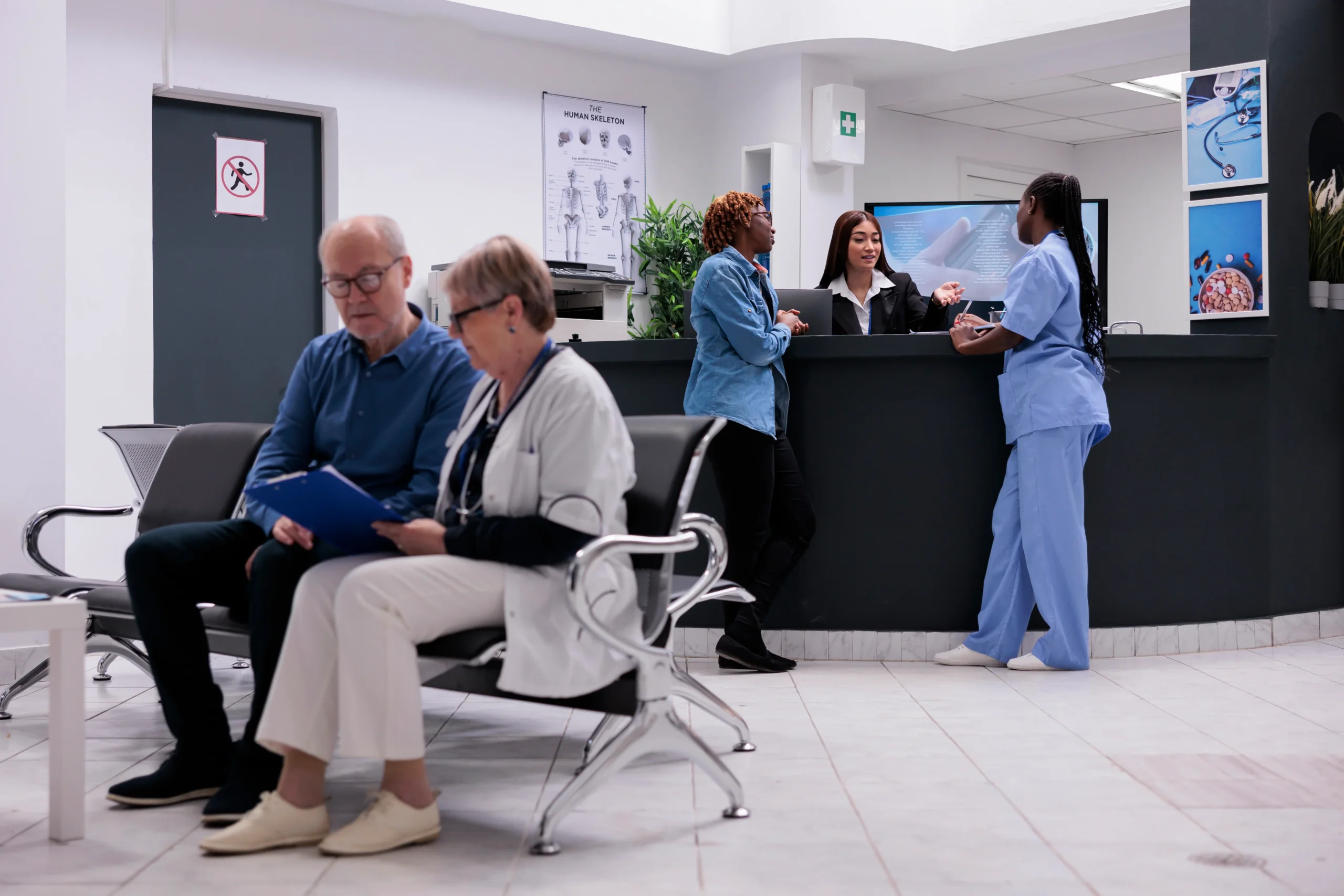
How Do Visitor Management Systems Improve Hospital Safety and Security?
Healthcare facilities handle thousands of visitors every month including patient families vendors and medical representatives. A Visitor Management System for Hospitals helps track monitor and manage visitor movement with complete visibility and control.
Hospitals must maintain strict safety standards because they handle sensitive patient information and critical medical equipment daily. Digital visitor systems replace manual logbooks and provide real time visitor tracking and secure access control.
Healthcare facilities also need better compliance management because healthcare regulations require accurate visitor records and controlled facility access. Automated visitor systems help hospitals maintain digital logs that are easy to retrieve during audits.
Why Hospitals Need Visitor Management Systems?
Modern hospitals must manage high visitor volumes while maintaining strict security safety and compliance standards daily. Visitor management systems help healthcare facilities create controlled safe and well organized visitor experiences for everyone entering the hospital.
These systems support hospital security improve infection control processes and help staff manage visitor flow efficiently during busy operational hours.
1- Improving Hospital Security and Patient Safety
Hospitals face security risks because many visitors enter for different purposes including patient visits staff meetings and deliveries. Visitor management software helps verify identities and ensures only authorized visitors enter restricted hospital areas.
Tracking visitor entry and exit helps security teams respond quickly during emergencies and helps prevent unauthorized access. Digital visitor badges help staff quickly identify approved visitors inside hospital facilities.
Healthcare facilities must also protect patient data and medical equipment which makes visitor tracking extremely important. Automated systems help reduce fraudulent entries and improve overall hospital security monitoring.
2- Supporting Infection Control and Health Safety
Hospitals must control infection risks because infections can spread quickly in healthcare environments without proper monitoring. Studies show hospital acquired infections increase patient stay duration and increase healthcare costs globally.
Visitor systems can include health screening forms temperature checks and contactless check in processes. Contactless visitor check in reduces physical interaction and helps reduce the spread of disease causing microorganisms.
Hospitals can also restrict visitor numbers during outbreaks and maintain complete records for contact tracing if required.
3- Improving Hospital Operations and Visitor Experience
Hospitals receive different visitor types including patient relatives suppliers and maintenance staff every day. Digital visitor registration helps reduce long waiting times at reception areas and improves visitor experience significantly.
Visitor systems send instant host notifications when visitors arrive which reduces waiting time and improves communication. Returning visitors can check in faster because their data is already stored in the system.
Key Features of Visitor Management System for Hospitals
A modern Visitor Management System for Hospitals includes advanced features designed to improve security efficiency and visitor experience. These features help hospitals manage visitor flow while maintaining compliance with healthcare safety and privacy regulations.
Digital visitor systems also support hospital staff by automating routine visitor processes and reducing administrative workload significantly.
Digital Visitor Registration and Check In
Visitors can register using tablets, digital kiosks or mobile devices before arriving at the hospital facility. Digital registration reduces paperwork and improves data accuracy and storage efficiency.
Electronic visitor logs also make it easier for hospital staff to retrieve visitor data when required. Digital records reduce paper usage and improve productivity across healthcare facilities.
Pre registration options allow visitors to complete forms before arrival which reduces waiting time at hospital reception areas. Contactless check in options also support hygiene and infection control requirements in healthcare environments.
Real Time Visitor Tracking and Monitoring
Hospitals can track visitor location and visit duration across different hospital departments easily. Security teams can monitor visitor activity and prevent entry into restricted areas.
Real time monitoring helps hospitals respond quickly to suspicious behavior or security incidents inside hospital facilities. Visitor monitoring also helps hospitals manage visitor flow during peak hours or emergency situations.
Accurate visitor tracking ensures hospitals always know who is inside the building which improves emergency response planning.
Compliance Management and Audit Ready Reports
Hospitals must maintain accurate visitor records to meet healthcare compliance and safety regulations. Automated visitor reports help hospitals prepare audit reports without manual data collection.
Digital systems also provide centralized data storage which makes visitor record retrieval simple and fast. Secure digital visitor logs help hospitals maintain privacy standards and meet regulatory documentation requirements.
Automated reporting also helps hospital administrators analyze visitor trends and improve security planning strategies.
Integration With Hospital Systems
Modern visitor systems can integrate with hospital management software and access control systems. Integrated systems improve communication between hospital departments and improve operational efficiency.
Integrated healthcare software systems help departments access centralized data which reduces workload and improves coordination. This integration allows hospitals to automate visitor approvals and access permissions based on hospital policies.
System integration also helps hospitals create a connected digital healthcare environment that improves patient and visitor management processes.
Benefits of Visitor Management System for Hospitals
Implementing a Visitor Management System for Hospitals provides multiple advantages for security, efficiency, and overall visitor satisfaction. These systems help healthcare facilities operate smoothly while maintaining high safety standards.
Hospitals of all sizes can benefit from better organization, improved compliance, and enhanced patient and visitor experiences.
Better Security and Risk Reduction
Hospitals can prevent unauthorized access and improve emergency response planning using visitor monitoring systems. Controlled visitor access helps protect patients staff and hospital infrastructure from potential threats.
Digital visitor logs allow security teams to track who is in the facility at all times, helping to respond quickly during emergencies or unexpected incidents.
Automated alerts notify staff about suspicious activity, ensuring the hospital remains a safe environment for everyone inside.
Improved Visitor Experience
Digital check in reduces waiting times and provides smooth visitor entry processes. Faster visitor processing improves hospital reputation and visitor satisfaction levels.
Pre registration and mobile check in options make it easier for families and patients to arrive without unnecessary delays.
Instant notifications to hosts ensure visitors are attended to quickly, enhancing the overall hospital experience and reducing stress for patients and relatives.
Reduced Administrative Workload
Hospital reception teams spend less time managing visitor paperwork and manual record keeping. Automation allows staff to focus more on patient care and hospital operations.
Electronic visitor records eliminate errors from handwritten logs and provide staff with instant access to visitor information.
By reducing repetitive administrative tasks, hospitals can increase productivity and improve operational efficiency across departments.
Data Driven Decision Making
Hospitals can analyze visitor trends and peak visiting hours using visitor analytics dashboards. Data insights help hospitals plan staffing and visitor scheduling strategies more efficiently.
Management can use reports to identify high traffic areas and optimize visitor flow, improving safety and operational planning.
Digital analytics also help hospitals make informed decisions about security protocols and visitor management strategies to enhance overall facility performance.
How Visitor Management Systems Work in Hospitals?
Visitor Management Systems for Hospitals streamline visitor handling, improve security, and enhance overall efficiency. The system manages the entire visitor journey from arrival to exit while keeping staff informed and compliant.
1- Pre Registration of Visitors
Visitors can pre register using online portals before arriving at the hospital. They submit personal details, purpose of visit, and identification documents ahead of time. Pre registration reduces waiting time at hospital reception and ensures smoother visitor flow.
2- Onsite Registration via Kiosks
Visitors who arrive without pre registration can check in at reception kiosks. The system verifies their information automatically and prints a visitor badge once approved. Lobby Kiosks are touch friendly and can support contactless check in to maintain hygiene and safety.
3- Instant Notifications to Staff
Hospital staff receive immediate notifications when their visitors arrive. This feature improves coordination between departments and helps staff prepare for appointments or patient visits. Notifications also reduce confusion and waiting time for both visitors and employees.
4- Visitor Tracking and Exit Logging
The system records entry and exit times for all visitors, creating a complete history of movements. This tracking helps improve security, monitor visitor flow, and maintain compliance with healthcare regulations. Accurate exit logging ensures administrators know who is inside the facility at any given time.
5- Automated Reporting and Analytics
Visitor Management Systems generate reports and analytics to track visitor trends and peak hours. These insights help hospital administrators optimize staff allocation and improve visitor management strategies. Data driven decisions also enhance security protocols and operational efficiency across the hospital.
Choosing the Right Visitor Management System for Hospitals
Selecting the right Visitor Management System for Hospitals is essential for ensuring safety, efficiency, and compliance. Hospitals must carefully evaluate features to meet both security and operational needs.
1- Strong Security Features
Hospitals should select systems that provide advanced security measures such as identity verification, access control, and real time visitor monitoring. Strong security features prevent unauthorized access and protect patients, staff, and sensitive hospital areas. Automated alerts and notifications improve emergency response and reduce potential security risks.
2- Compliance and Regulatory Support
Visitor Management Systems must support healthcare regulations, including HIPAA and local compliance requirements. Automated visitor logs help hospitals maintain accurate records for audits and inspections. Compliance support ensures patient privacy and minimizes legal risks associated with manual visitor tracking.
3- Contactless Check In and Health Screening
Modern systems should support contactless check in to reduce physical interaction and infection risk. Health screening capabilities, such as temperature checks and symptom questionnaires, help maintain a safe hospital environment. These features are especially important during health crises, such as pandemic situations, to protect patients and staff.
4- Integration with Hospital Systems
Visitor Management Systems should integrate seamlessly with hospital management software, access control systems, and security platforms. Integration allows centralized data management, improving communication between departments and operational efficiency. Connected systems ensure visitor information flows smoothly across multiple hospital functions without duplication or errors.
5- Cloud-Based and Multi-Location Support
Hospitals with multiple branches should consider cloud based visitor management solutions. Cloud systems provide centralized control of visitor data across all locations while allowing real time monitoring. This flexibility ensures consistency in visitor management practices and simplifies system updates and maintenance.
Start With DeskFlex Visitor Management System to Secure Your Hospital
Keeping a hospital safe, organized, and efficient is a challenging task with hundreds of visitors, patients, and staff entering daily. DeskFlex Visitor Management System helps hospitals manage every visitor smoothly while improving security, patient safety, and operational efficiency. It ensures that only authorized visitors can enter restricted areas, tracks visitor movements, and reduces administrative workload, allowing hospital staff to focus on patient care and critical operations.
Key Features That Help Hospitals
- Secure Entry and Identity Verification: Visitors can pre register online or check in via touchless kiosks. The system verifies their information and prints digital badges to ensure only authorized access.
- Real-Time Staff Notifications: Hospital staff are instantly notified when their visitors arrive, improving communication and reducing waiting times.
- Health Screening and Contactless Check-In: Integrated temperature checks and symptom questionnaires help maintain hygiene and reduce infection risks.
- Visitor Tracking and Exit Logging: Tracks visitor entry, movements, and exit, providing a complete record for security and compliance purposes.
- Integration With Hospital Systems: Connects seamlessly with hospital management software and access control systems, enabling centralized visitor management.
- Data Analytics for Operational Efficiency: Provides insights on visitor trends, peak hours, and traffic patterns to optimize staffing and hospital workflow.
Book your demo today and see how DeskFlex can help secure your hospital, streamline visitor management, and improve patient and staff experience.
Conclusion
A Visitor Management System for Hospitals is essential for improving hospital security visitor tracking and infection control. Healthcare facilities need digital visitor solutions to meet modern healthcare safety and compliance requirements.
Hospitals that implement visitor management systems improve operational efficiency reduce risks and improve visitor experience. Healthcare digital transformation is making visitor management systems a standard requirement for modern hospitals.
Frequently Asked Questions (FAQs)
What is a Visitor Management System for Hospitals?
A Visitor Management System for Hospitals is a digital solution that tracks, verifies, and manages visitors entering healthcare facilities. It ensures safety, improves workflow, and maintains compliance with healthcare regulations.
How does a Visitor Management System improve hospital security?
It verifies visitor identities, controls access to restricted areas, tracks visitor movements, and provides real-time notifications to hospital staff. These features prevent unauthorized access and enhance overall hospital safety.
Can Visitor Management Systems help with infection control in hospitals?
Yes. Modern systems like DeskFlex support contactless check-in, health screening forms, and temperature monitoring. These features reduce physical interaction and help prevent the spread of infections within the hospital.
How do hospitals benefit operationally from using a Visitor Management System?
Digital visitor registration reduces administrative work, speeds up check-in, improves visitor experience, and provides analytics for staffing and operational planning. Staff can focus more on patient care and less on paperwork.
What features should hospitals look for in a Visitor Management System?
Hospitals should look for secure entry verification, real-time notifications, health screening, visitor tracking, system integration, and analytics capabilities. Cloud-based systems for multi-location support are also highly recommended.