DeskFlex

Want to see DeskFlex in action? Book your live demo today!

Flex Space

What Is Flex Space? A Modern Solution for Dynamic Work Environments

The way we work today is different and it’s still evolving. Gone are the days when long-term office leases and static desk arrangements made sense for every company. In today’s fast-moving, hybrid world, businesses need flexibility, not just in schedules, but also in where and how they operate. This is where flex space comes in.

Whether you’re a freelancer, startup founder, or part of a large hybrid team, these spaces gives you the power to scale up, down, or completely pivot—without the constraints of traditional office real estate.

Flex space meaning?

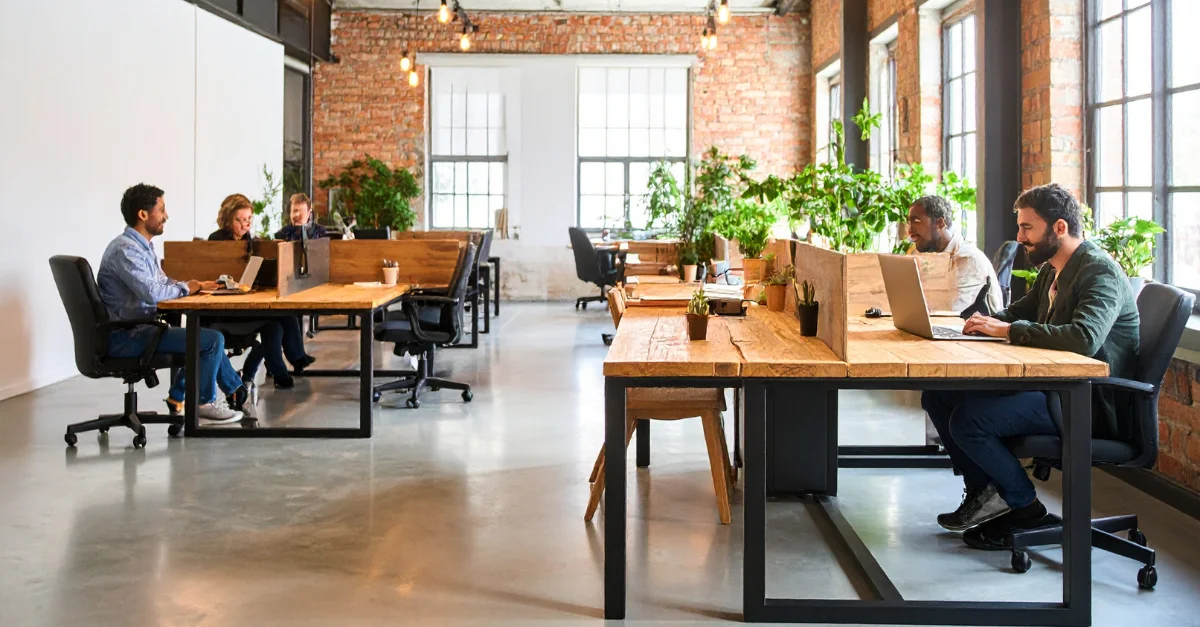
Flex space refers to a versatile type of workspace that can be easily adapted to different business needs, such as offices, collaborative areas, storage, or creative studios. Unlike traditional office layouts, flex space is designed to be multifunctional and customizable, allowing companies to adjust the environment based on team size, project requirements, or work style. This flexibility makes it easier for organizations to scale up or down without committing to long-term, fixed layouts.

Understanding the meaning of flex space also involves recognizing its role in modern workplace strategies. Businesses use flex space to support hybrid work models, encourage collaboration, and reduce overhead costs. These spaces often include shared amenities, movable furniture, open areas, and technology-equipped zones that support both independent and team-based tasks. Overall, flex space offers a dynamic and efficient solution for companies seeking adaptable, cost-effective, and future-ready work environments.

Why Flex Space Is Gaining Popularity

Flex space has become more than a trend; it’s a new standard.

After the pandemic changed how we think about work, companies started looking for more innovative ways to manage real estate. Hybrid and remote setups meant fewer employees in the office at any one time. That led many to realize they were paying for unused desks.

A Stanford economist, Nicholas Bloom, notes that “hybrid work is a win-win-win for team member productivity, performance, and retention.” In that spirit, businesses have begun prioritizing working solutions that are adaptable, efficient, and tailored to employees’ needs.

CBRE’s research shows that flex spaces survived pandemic disruptions better than expected, thanks to their built-in agility. Even as some providers reduced their footprints, others expanded strategically, and demand has stayed strong ever since.

What Is Flex Space?

Flex space is a versatile kind of commercial space for rent that allows businesses or individuals to occupy office setups on a flexible basis.

These spaces can be used short-term or long-term, often with shared amenities like Wi-Fi, meeting rooms, and business support services.

Here’s what makes them stand out:

  • Shorter lease terms
  • Pay-as-you-use options
  • Modular design and amenities
  • Move-in-ready configurations
  • Variety of workspace types

Types of Flex Space

Not all of these types of spaces are created equal. Depending on your needs, you’ll find a variety of office layouts, services, and lease models.

1. Office-Warehouse Combo Spaces

These are ideal for logistics or light manufacturing businesses. The front office handles administrative tasks, while the back functions as a warehouse or inventory space.
2. Co-Working Spaces

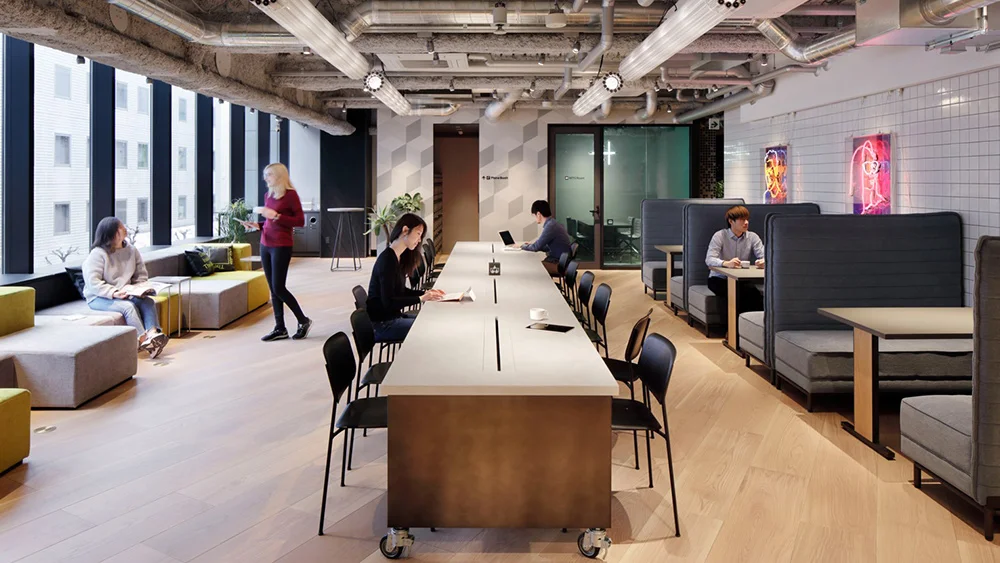
Coworking spaces are shared environments that offer daily office space rentals and a sense of community. They are perfect for freelancers, digital nomads, or small teams looking to collaborate in a dynamic setting.
3. Serviced Offices

Think plug-and-play. These spaces are fully furnished, have admin and IT support, and are ready to use from day one—ideal for growing teams and corporate branches.
4. Studio and Creative Flex Spaces

These setups offer open areas and equipment tailored to creatives, including photographers, designers, content creators, and more.
5. Showroom + Office Spaces

Need to meet clients and showcase products in one place? These mixed-use spaces give you a showroom out front and an office behind the scenes.

Benefits of Flex Space

Now that you know what flex space includes, here’s why it’s such a strong contender in the modern business environment:

Cost Efficiency

Traditional office space for rent often includes long-term leases, hidden fees, and underused square footage. Not with adaptable space.

A business can rent a conference room for rent or pay for a few desks a couple of days a week. With pay-as-you-go or subscription models, you only spend on what you use. According to Campus X, businesses can save up to 30% to 50% on rent by switching to flex hybrid models.

Scalability

One of the top reasons businesses love adaptable space is that it scales with them. Whether your team doubles overnight or you’re downsizing during a slower season, you’re never stuck with more space than you need.

This makes these office spaces for rent a smart choice for startups, seasonal businesses, and even large enterprises testing new markets.

Flexible Design

Some teams need a quiet zone for deep focus; others need collaboration lounges and brainstorming corners. Adaptable spaces are built with that in mind.

You can find or configure environments that change with your workflow.

Enhanced Productivity

According to OfficeRnD, over 46% of people say they’re more productive in coworking spaces.

With strong Wi-Fi, professional environments, and fewer home distractions, flex space can help employees do their best work.

Ideal for Hybrid Teams

hybrid schedule often means only part of your team is in the office at any time. With flex space for rent, companies don’t need permanent desks for everyone.

Instead, you offer a professional hub that employees can use as needed.

Maximize Your Flex Space Potential with DeskFlex

Streamline bookings, manage resources, and adapt your workspace to any need using DeskFlex’s smart flex space software.

Book a Free Demo


How to Choose the Right Flex Space

Space options vary. Here’s a quick guide to choosing the best fit for your team or business:
1. Understand Your Needs

Are you looking for an occasional meeting hub, or do you need semi-permanent desks? Will clients visit often? Your use case should guide your choice.
2. Consider the Location

Is it accessible to your employees? Is it close to transit? Is it near good lunch spots? Convenience can affect attendance and morale.

Tip: Many businesses are opening satellite offices in suburban areas to reduce commute times and improve team member satisfaction.
3. Review Amenities

Don’t overlook the details. From standing desks to A/V-equipped rooms and even soundproof phone booths, ensure your space has the tools you need to run smoothly.
4. Prioritize Lease Flexibility

Look for short-term contracts, daily office space rental, or membership plans. Avoid locking yourself into long agreements if your needs might change.
5. Factor in Budget

Whether you’re a solo entrepreneur or managing a distributed team, affordability matters. There’s likely a small office space for rent near you that aligns with your cost goals. Some providers even offer hourly rates or part-time access.

Key Features of Flex Space

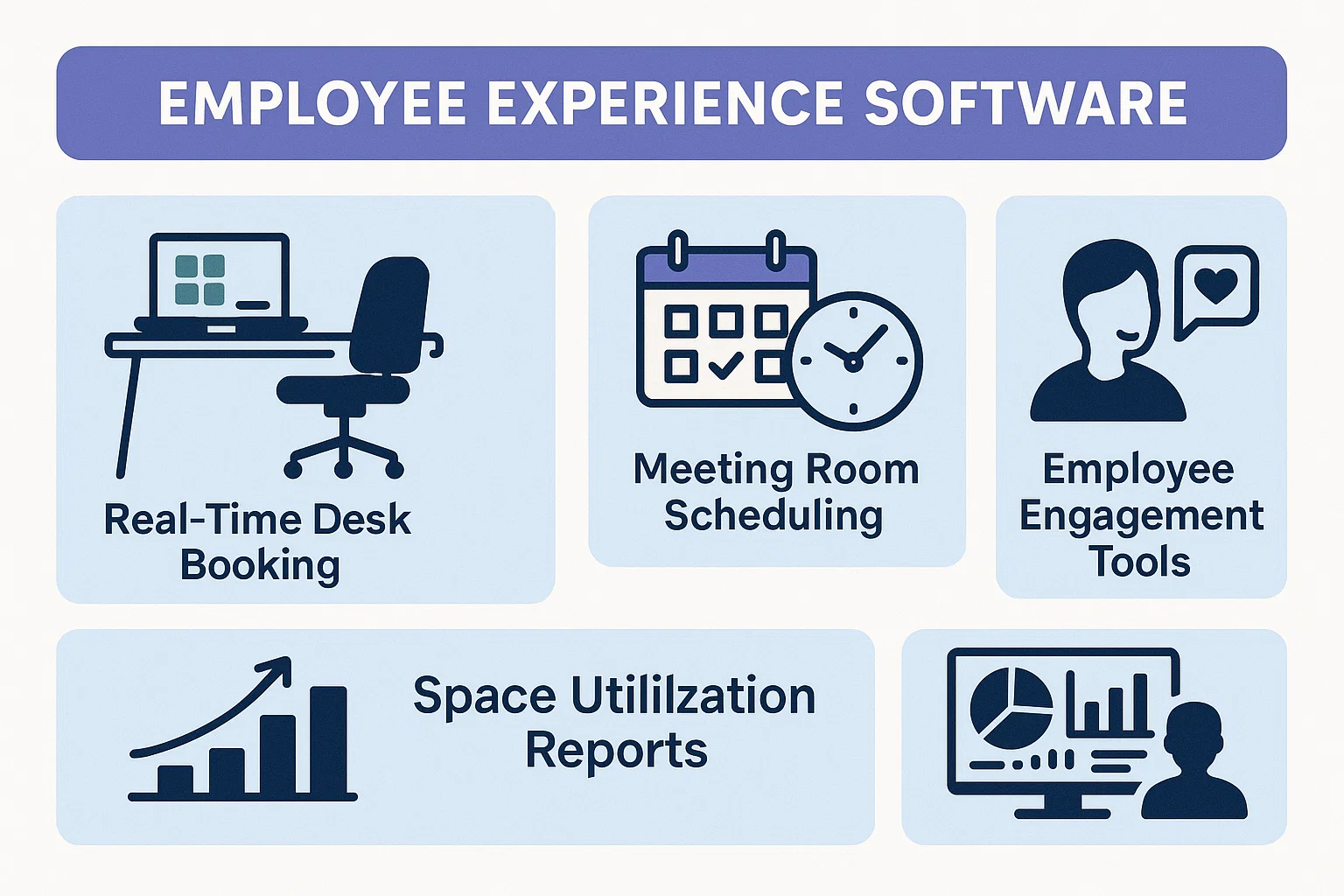
1. Flexible Desk and Workspace Booking

Flex space allows employees to reserve desks, workstations, or collaborative areas on a first-come, first-served or scheduled basis. Users can choose where they want to work each day based on availability and preferences.

2. Hot Desking and Hoteling Support

Hot desking lets employees choose any available workstation without a permanent assignment. Hoteling lets them reserve a specific desk for a set period (e.g., daily or weekly). Both approaches maximize space utilization and support hybrid work.

3. Real-Time Availability and Interactive Floor Maps

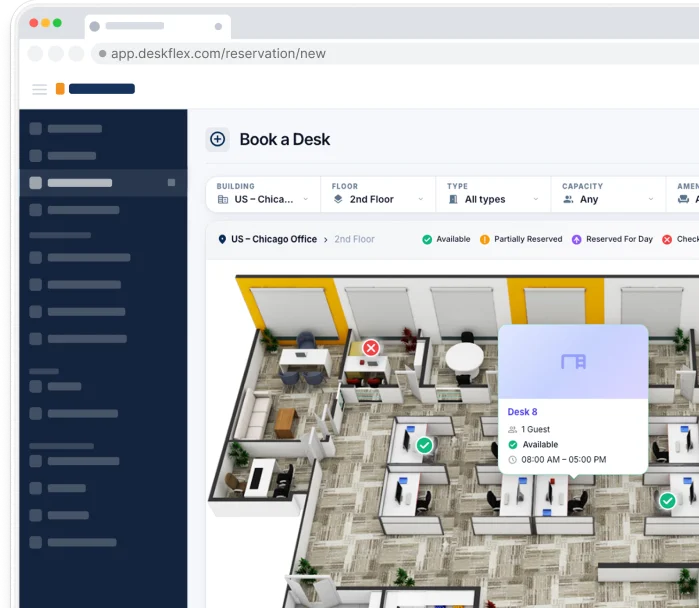
Interactive digital floor plans show real-time availability of desks and rooms. Users can visually locate open spaces, view amenities, and book right from the map, making navigation intuitive and efficient.

4. Mobile and Web Booking

Employees can book and manage flex space directly from mobile apps or web portals — before arriving at the office or while on the go. This boosts convenience and encourages adoption.

5. Calendar and Tool Integrations

Integration with tools like Outlook, Google Calendar, and Slack lets users see bookings alongside their daily schedules. This ensures seamless planning without switching between platforms.

6. Smart Utilization Analytics

Flex space systems track usage patterns — helping organizations understand how desks and areas are being used. Analytics support data-driven decisions for space optimization, layout design, and future planning.

7. Automated Check-In and No-Show Rules

Features like automatic check-in and release of unused spaces ensure that desks aren’t held unnecessarily. If someone doesn’t check in within a set time, the space becomes available for others.

8. Configurable Booking Rules

Admin controls allow organizations to set custom rules — such as booking windows, time limits, approval requirements, and priority access. This ensures fair usage and aligns with company policies.

9. Employee Experience Tools

Features like personal preferences, favorite spaces, repeat reservations, and notifications make the flex space experience smooth and personalized.

10. Support for Hybrid Work Models

Flex space technology helps teams coordinate who is in the office and when, making it easier to plan collaboration, avoid overcrowding, and ensure desks match day-to-day needs.

Common Uses for Flex Space

Flex space is designed to adapt to changing work styles and organizational needs. Below are the most common uses for flex space in modern workplaces, explained clearly and practically.

1. Hybrid Work Environments

Flex space is widely used to support hybrid work models where employees split time between home and the office. Instead of assigned seating, employees book desks or work areas only when they come in, ensuring efficient use of office space.

2. Hot Desking and Desk Hoteling

Organizations use flex space for hot desking and hoteling, allowing employees to choose available workstations or reserve desks in advance. This approach reduces unused desks and supports flexible schedules.

3. Team Collaboration and Project Work

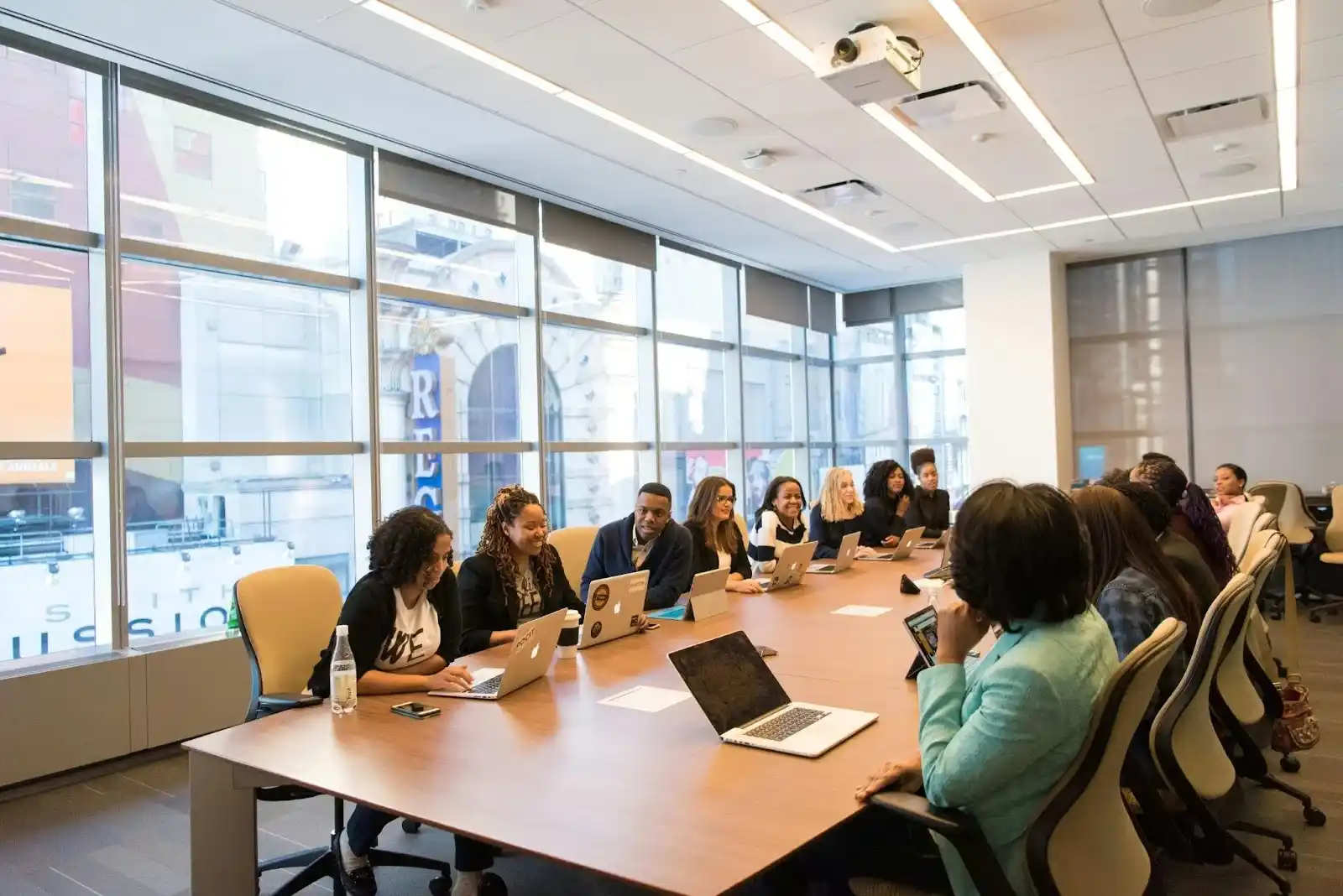
Flex spaces are often used as collaborative zones for team meetings, brainstorming sessions, and short-term projects. Teams can easily book shared spaces when they need to work together in person.

4. Meeting and Training Areas

Flex space serves as adaptable meeting rooms or training spaces that can be reconfigured based on group size and purpose. This allows organizations to host meetings, workshops, or presentations without dedicating permanent rooms.

5. Temporary and Visiting Employees

Flex space is ideal for contractors, visitors, and temporary staff who need workspace for a limited time. They can reserve desks or rooms as needed without disrupting permanent seating plans.

6. Growth and Transition Periods

During periods of expansion, relocation, or renovation, flex space provides organizations with the flexibility to accommodate changing headcounts without long-term commitments.

7. Quiet Focus and Wellness Areas

Some flex spaces are designated for focused work, phone calls, or wellness needs. Employees can choose spaces that match their work style and tasks for the day.

8. Multi-Location and Shared Offices

Organizations with multiple offices or shared workspaces use flex space to manage availability across locations, making it easier for employees to work wherever it’s most convenient.

Flex Space vs. Traditional Office and Industrial Properties

Flex space is designed for adaptability, combining elements of office, light industrial, and collaborative environments. Unlike traditional offices with fixed layouts and long-term leases, flex space allows organizations to scale up or down quickly. Workspaces can be reconfigured for hot desking, meetings, collaboration, or focused work, making flex space ideal for hybrid teams, startups, and growing businesses that need agility.

Traditional office properties are built around permanent workstations, assigned seating, and long-term commitments. While they provide stability and structure, they often result in underutilized space—especially in hybrid work environments where not all employees are in the office daily. Changes to layouts or capacity usually require significant time and cost, making traditional offices less responsive to evolving workplace needs.

Industrial properties, on the other hand, are primarily designed for manufacturing, warehousing, and logistics rather than office productivity. They offer large open areas and operational efficiency but lack the comfort, technology, and collaboration features required for modern knowledge-based work. Flex space bridges the gap by offering the openness of industrial layouts with the technology, comfort, and flexibility of modern offices.

Why Flex Space Fits Every Team—Even If You Don’t Think So

It’s easy to assume that flex space is just for startups or freelancers, but that’s not really the case. In truth, any team can benefit from this setup, even if they don’t see it immediately. For example, mid-sized businesses expanding slowly may not want to jump into a 5-year lease in a commercial building they’re not sure they’ll fill. A flex space gives them room to grow at their own pace.

You don’t have to be in tech, design, or anything “modern” either. Even law firms, accounting teams, and consultancies are finding that flex spaces help reduce overhead costs and improve employee interaction. Imagine having your junior and senior teams working closer, more informally, not locked behind permanent walls. That can really shift how communication happens.

Of course, some teams hesitate. They worry that working in a shared environment means distractions, less privacy, or inconsistency. However, a well-managed flex space often has quiet zones, phone booths, private offices, and event spaces, so you can pick where to work based on the day or task. If you’ve never tried that kind of agility before, it might feel odd at first but most teams adapt faster than they expect.

Plus, with the rise of hybrid work, many employees no longer want the rigid Monday-to-Friday; they want choice. And choice is exactly what flex space gives you—whether you’re scaling, downsizing, or just figuring it out.

Flex Space and the Future of Work

Flex Space and the Future of Work

Let’s face it: the traditional office is on its way out. Here’s why flex space is poised to take over.

Moving Beyond the Traditional Office

A growing number of companies are reducing their core office footprint and turning to flex office space as a complement. This “core and flex” model lets them keep a headquarters while using external locations to accommodate hybrid or remote workers.

Matching Employee Expectations

Gallup reports that 60% of remote-capable employees want hybrid work. At the same time, engagement is highest among employees working in the office just three days a week. Employees want flexibility, not isolation, and flex space offers both.

Supporting Business Agility

Do you need a pop-up location for a short-term project? Do you want to test a new region before committing to a whole lease? Flex space for rent offers the agility that traditional leases simply can’t.

Powered by Smart Tech

The rise of AI and IoT in office technology is transforming how we interact with workspaces. Flex offices now use innovative booking systems, occupancy sensors, and automated climate control to improve experience and efficiency. This is especially valuable when managing distributed or hybrid teams across multiple sites.

Conclusion

Flex space is no longer just an alternative; it can now be a strategic tool for many sectors, such as businesses that want to stay lean, flexible, and future-ready.

The advantages are clear, from cost savings and scalability to productivity and team member satisfaction. Whether you need a flexible office space, a creative studio, or a commercial space that adapts with you, flex spaces meet you where you are.

If your current setup feels rigid, costly, or outdated, it might be time for a change. Let your office flex with you.

Frequently Asked Questions

What is a flex space in industry?

In industrial settings, flex space often refers to properties that combine office and warehouse functions. These are common in logistics, light manufacturing, and distribution sectors.

Is flex space a good investment?

Yes. With rising demand from hybrid and remote workforces, flex space offers steady returns, shorter lease cycles, and access to a broad tenant base.

What is a flex space used for?

Flex space can serve as coworking hubs, private offices, studios, client meeting zones, or even pop-up retail locations. Its versatility is what makes it so popular.

How does flex office space work?

Flex office space lets you rent a desk, office, or meeting room without long-term contracts. You get full amenities like Wi-Fi, printing, kitchen access, and more—daily, monthly, or flexible.

Looking for flex space for rent or exploring daily office space rental options near you?

Start your journey toward flexible, scalable, and human-centered work environments today. Explore flexible workspace tools at  Deskflex.com and see how your business can thrive in a flex-first world.