DeskFlex

Want to see DeskFlex in action? Book your live demo today!

Blog

Why Businesses Are Moving Toward a Hybrid Work Environment

Why Businesses Are Moving Toward a Hybrid Work Environment?

The modern workplace is undergoing a structural transformation across industries worldwide. Businesses are reevaluating how and where work should happen for long-term success. Traditional office models no longer align with workforce expectations or operational efficiency goals. As of 2025, around 88 % of U.S. employers now offer hybrid work options and nearly half of new roles include “hybrid” in their job postings, showing how widespread the shift has become. At the same time, 76 % of employees say they prefer hybrid work over fully remote or fully in-office setups, highlighting the workforce’s clear desire for flexibility. As a result, companies are moving toward a hybrid work environment to stay competitive and resilient. 

A hybrid work environment allows employees to divide their time between remote and in-office work. This model combines flexibility with structured collaboration to improve productivity and employee satisfaction. Organizations are recognizing that flexibility is no longer a perk but a business necessity.

What Is a Hybrid Work Environment?

A hybrid work environment is a flexible workplace model that blends remote and in office work. Employees are not required to work from the office five days each week. Instead, they follow structured schedules that balance home productivity and office collaboration.

This environment relies on shared workspaces rather than permanently assigned desks. Employees reserve desks and meeting rooms when they plan to work onsite. Digital scheduling tools provide visibility into workspace availability in real time.

The goal is to create a balanced system that supports both independent and collaborative tasks. Companies use technology and data to manage office capacity and workforce coordination effectively.

Why Traditional Office Models No Longer Work

Traditional office models were designed for a fixed workforce operating within rigid schedules and centralized spaces. Modern employees now expect flexibility, autonomy, and better work life integration. As attendance patterns shift and office utilization declines, maintaining a fully on site structure becomes inefficient and costly for businesses.

1. Underutilized Office Space

Many companies discovered that large portions of their office space remain unused daily. Desks often sit empty for several days each week due to remote work patterns. Paying for unused real estate significantly impacts operational budgets and profitability.

Businesses are questioning the logic of maintaining full capacity offices with inconsistent attendance. Hybrid environments reduce waste by aligning workspace usage with actual employee presence.

2. High Operational Expenses

Traditional offices require substantial spending on rent, utilities, and maintenance. These costs remain fixed even when employee attendance fluctuates throughout the week. Organizations are seeking ways to reduce overhead without sacrificing productivity.

Hybrid work models allow companies to downsize office footprints strategically. Lower real estate commitments free resources for technology and employee development investments.

3. Limited Flexibility for Employees

Rigid office schedules often lead to long commutes and reduced work life balance. Employees increasingly value autonomy in choosing where they perform focused tasks. A lack of flexibility can negatively impact morale and overall engagement levels.

Hybrid work environments empower employees to structure their work around productivity patterns. This flexibility supports stronger performance and healthier professional routines.

4. Talent Retention Challenges

The modern workforce expects adaptable working arrangements from employers. Companies that resist flexibility risk losing high performing talent to competitors. Hybrid environments have become a deciding factor in recruitment and retention strategies.

Offering flexible work options demonstrates trust and commitment to employee wellbeing. This approach strengthens employer branding and workforce loyalty.

Key Reasons Businesses Are Moving Toward Hybrid

Key Reasons Businesses Are Moving Toward Hybrid

Businesses are not adopting hybrid work randomly or temporarily. The shift reflects strategic decisions focused on cost control, productivity improvement, and workforce expectations. Hybrid environments allow organizations to align workspace design with actual employee behavior and business goals.

1. Cost Optimization

Hybrid work enables companies to redesign offices for efficiency rather than maximum occupancy. Organizations can reduce desk counts and convert unused areas into collaborative spaces. Lower real estate and operational expenses improve overall financial performance. Optimized space planning ensures resources are used strategically without compromising effectiveness.

2. Improved Employee Productivity

Remote work environments often support focused and uninterrupted task completion. Office days can then be structured around meetings, brainstorming sessions, and team collaboration. This intentional balance increases employee efficiency across departments and project teams. Employees can perform deep work at home while maximizing collaboration during onsite visits.

3. Greater Workforce Flexibility

Flexibility allows employees to manage work responsibilities alongside personal commitments effectively. Reduced commuting time contributes to better energy levels and stronger daily performance. Organizations benefit from improved morale and higher employee engagementA flexible structure also strengthens retention by meeting modern workforce expectations.

4. Data Driven Workplace Management

Modern hybrid environments rely on analytics to guide informed decision making. Companies regularly monitor desk utilization, meeting room bookings, and attendance patterns. These insights help leaders adjust layouts and scheduling policies based on actual data. Data driven management reduces uncertainty and supports long term workplace optimization.

Challenges Businesses Face During the Transition

Transitioning to a hybrid work environment requires structural, cultural, and technological adjustments. Without proper planning, businesses may encounter operational inefficiencies and employee frustration. Understanding these challenges early allows organizations to implement solutions proactively and effectively.

1. Lack of Visibility Into Workspace Availability

When companies lack centralized booking systems, employees struggle to identify available desks or meeting rooms. This uncertainty creates confusion and reduces confidence in coming to the office. Limited visibility can also lead to duplicated bookings and underutilized spaces. Clear and real time workspace visibility is essential for smooth hybrid coordination.

2. Scheduling Conflicts

Unstructured attendance patterns can cause overcrowding on certain days of the week. Other days may experience low occupancy, resulting in inefficient space usage. Teams may fail to align in office days, which reduces meaningful collaboration opportunities. Defined booking processes help distribute attendance evenly and support better coordination.

3. Maintaining Collaboration Across Locations

Hybrid work requires intentional communication practices to prevent disconnected teams. Remote employees must have equal access to meetings, discussions, and decision making processes. Without consistent collaboration systems, teams risk creating information gaps and silos. Companies must ensure their tools support seamless interaction between remote and onsite employees.

4. Managing Shared Desks Effectively

Shared desk models demand clear policies and structured reservation systems. Without defined processes, employees may encounter workspace disputes and confusion. Manual coordination methods often lead to inefficiencies and inconsistent usage tracking. Digital desk reservation systems provide order, transparency, and accountability in shared environments.

How to Successfully Implement a Hybrid Work Environment?

Implementing a hybrid work environment requires careful planning, clear policies, and the right technology. Organizations must balance employee flexibility with operational efficiency to create a productive workspace. A structured approach ensures smooth adoption and long term success.

1. Define Clear Hybrid Policies

Organizations should establish clear expectations for both remote and in office work. Policies need to outline attendance requirements, collaboration guidelines, and communication standards. Clear rules prevent misunderstandings, maintain accountability, and ensure fairness across teams. Employees understand when to be onsite and how to coordinate with colleagues effectively.

2. Introduce Desk and Room Booking Systems

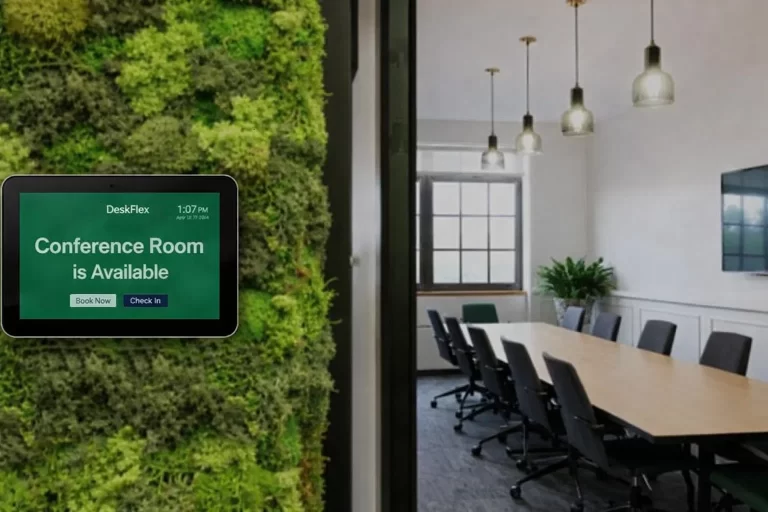
Digital booking platforms allow employees to reserve desks and meeting rooms in advance. Real time visibility ensures optimal utilization of available spaces throughout the office. Structured scheduling prevents overcrowding and avoids conflicts during peak office days. These systems support smooth hybrid coordination and make office visits predictable for everyone.

3. Use Workplace Analytics to Optimize Space

Analytics tools provide insights into desk utilization, room occupancy, and attendance trends. Leaders can quickly identify underused areas and adjust office layouts to maximize efficiency. Data driven decisions help continuously improve workspace planning and resource allocation. Using analytics reduces wasted space and increases overall operational effectiveness.

4. Design Offices for Collaboration

Hybrid office layouts should prioritize collaborative zones over permanently assigned desks. Meeting rooms and shared areas must support team interaction, brainstorming, and focused work sessions. Purpose driven design ensures employees make the most of their in office time. Creating engaging spaces encourages collaboration and strengthens team cohesion.

How DeskFlex Supports Hybrid Work Environment?

DeskFlex is designed to help organizations manage hybrid workplaces efficiently while keeping employees empowered and productive. It allows teams to schedule their in-office days, reserve desks, and book meeting rooms easily, all from a single platform. Managers gain real-time visibility into workspace utilization and attendance trends, enabling data-driven decisions for office planning. With DeskFlex, companies can optimize collaboration, maximize office space, and ensure a smooth hybrid work experience for every employee.

Key Features of DeskFlex:

  • Desk Booking System: Reserve desks in advance with real-time availability updates.
  • Meeting Room Scheduling: Plan and manage team meetings without conflicts.
  • Mobile & Web Access: Employees can book workspaces from anywhere, anytime.
  • Workspace Analytics: Track desk usage, room occupancy, and employee attendance patterns.
  • Hot Desking Management: Assign flexible seating and allow teams to work near collaborators.
  • 3D Floor Maps: Visualize workspace layout for easier navigation and planning.

Book a free demo today to see how DeskFlex can transform your hybrid workplace.

Conclusion

Businesses are increasingly adopting hybrid work environments to enhance flexibility and operational efficiency. Traditional office models no longer align with the way modern teams collaborate and perform at their best. Hybrid workplaces provide measurable benefits, including cost savings, higher employee productivity, and improved employee satisfaction.

Successfully transitioning to a hybrid model requires careful planning and the support of reliable workplace technology. Organizations that embrace this shift strategically position themselves for long-term growth and competitiveness. A well-managed hybrid work environment fosters balance, empowers employees, and prepares the workplace for the future.

Frequently Asked Questions (FAQs)

A hybrid work environment is a workplace model that combines remote and in-office work, allowing employees flexibility in where and how they complete their tasks.

Businesses adopt hybrid work to improve flexibility, productivity, employee satisfaction, and reduce operational costs while meeting modern workforce expectations.

Hybrid work increases productivity, enhances work-life balance, lowers real estate costs, supports collaboration, and allows data-driven office management.

Common challenges include scheduling conflicts, managing shared desks, maintaining collaboration between remote and on-site teams, and tracking workspace utilization.

Success requires clear policies, desk and room booking systems, data-driven space planning, office layouts designed for collaboration, and consistent communication strategies.