How the Visitor Management Process Works and Why It’s Important?
In almost any workplace today, you will notice the same quiet pressure point. The front desk. The lobby. The place where patients arrive anxious, vendors show up early, deliveries overlap, and staff are already stretched thin. Visitor volume has increased across industries, but the systems used to manage it often have not. Hospitals, offices, factories, restaurants, and service-based businesses all face a similar challenge.
Manual sign-in sheets, handwritten logs, or loosely tracked appointments still exist in environments where security, compliance, and accountability matter more than ever.
This article will discuss the importance of modern visitor management and why it is critical for businesses.
What is a Visitor Management Process?
Visitor management is the process by which an organization tracks and controls non-employees entering its premises. That includes patients, clients, vendors, contractors, interview candidates, delivery personnel, and even temporary staff.
Traditionally, this meant a sign-in book at reception. Names written quickly. Times recorded inconsistently. No verification. No central record.
Digital visitor management systems change that entirely. They replace fragmented, manual steps with a structured process that securely captures visitor data, enforces access rules, and maintains a clear record of activity.
How the Visitor Management Process Flows in Practice?
Most visitor management processes follow a natural progression, even if the tools differ by industry.
Step 1: Pre-registration
Long before a visitor reaches the front desk, the visit has already taken shape. Pre-registration gives teams a quiet preview of who is coming in and why, whether that is a patient appointment, a vendor visit, or a scheduled meeting. It removes the element of surprise that often slows things down. By the time someone arrives, they feel expected rather than accommodated.
Step 2: Arrival and Check-In
Arrival is where impressions of the visitors start to form. What digital check-in removes is the back-and-forth that once defined this moment, replacing it with a short, consistent interaction. Sometimes guests or visitors are only required or asked to provide identification or confirmation, while others keep the process intentionally light. Either way, information is captured once and handled cleanly. An efficient check-in tends to set the pace for everything that follows.
Step 3: Defining Access
Once inside, boundaries matter. Most organizations already know that not everyone should move through the same spaces, but visitor systems make that understanding practical. Badges or digital passes establish access without turning it into a conversation. Limits on time and location do their job quietly.
Step 4: Notifying the Right People
From there, the handoff happens almost automatically. Hosts are notified as soon as visitors arrive through a smart visitor notification system, preventing lobbies from turning into waiting rooms. Guests are acknowledged quickly, and the front desk staff are not pulled into coordination tasks that they should not have to manage. It is a small improvement that keeps the day from stalling.
Step 5: While the Visit Is Ongoing
As visits unfold, awareness replaces oversight. Administrators can see who is on site without having to check in with people directly. In environments where safety matters, this visibility supports faster decisions when something changes. It also helps visits end when they are supposed to.
Step 6: Closing the Visit
Checkout finalizes the record and stores it securely, without extra steps. If the visit ever needs to be reviewed, the information is already complete. The end of the visit feels as orderly as the beginning. That consistency is what makes the system dependable.
Why Visitor Management Matters Across Industries?
The value of a structured visitor management process tends to reveal itself gradually. Different industries notice different gains, but the outcomes are familiar once you step back and look at the pattern.
Security and Safety
Controlled access changes the baseline. Knowing who is on site and where they are allowed to be makes unauthorized entry less likely and emergency response more practical. It shifts safety planning from theory to something teams can actually act on.
Compliance and Record Keeping
Regulations are easier to manage when records are complete by default. Digital logs help support audits, inspections, and internal reviews without the scramble caused by missing or inconsistent data. The paperwork is simply there when it is needed.
Operational Efficiency
Front desks work differently when paperwork is no longer the center of the job. Staff spend more time helping people and less time correcting errors or chasing details. Small inefficiencies that once felt unavoidable quietly disappear.
Visitor Experience
Most visitors overlook the system itself, but they feel the result. Arrivals are faster. Directions are clearer. The space feels organized rather than reactive, leaving a lasting impression on guests.
Scalability Across Business Sizes
These systems are not limited to large organizations. A small business may only need basic digital check-in, while an enterprise can track visitors across multiple locations with centralized reporting. The process adjusts without losing its core purpose.
How Visitor Management Functions Across Different Industries?
The way visitor management shows up in daily operations depends heavily on the environment. A hospital does not experience visitor flow the same way a factory or a restaurant does, even if the underlying principles remain the same.
What changes is the pressure point. In some places, it is safety; in others, efficiency, compliance, or simply keeping the day from becoming chaotic. What follows is how those differences tend to play out across industries.
Healthcare and Patient Care Services
In healthcare settings, visitor management is closely linked to patient safety and privacy. Controlled access helps protect sensitive areas without turning hospitals into closed spaces. Digital visit records support compliance requirements, while health declarations and tracking help with infection control.
Hospitals deal with constant movement. Patients, families, clinicians, and vendors all pass through the same doors. A structured visitor process brings order to that flow without adding work for clinical teams who already have enough to manage.
Offices and Organizations
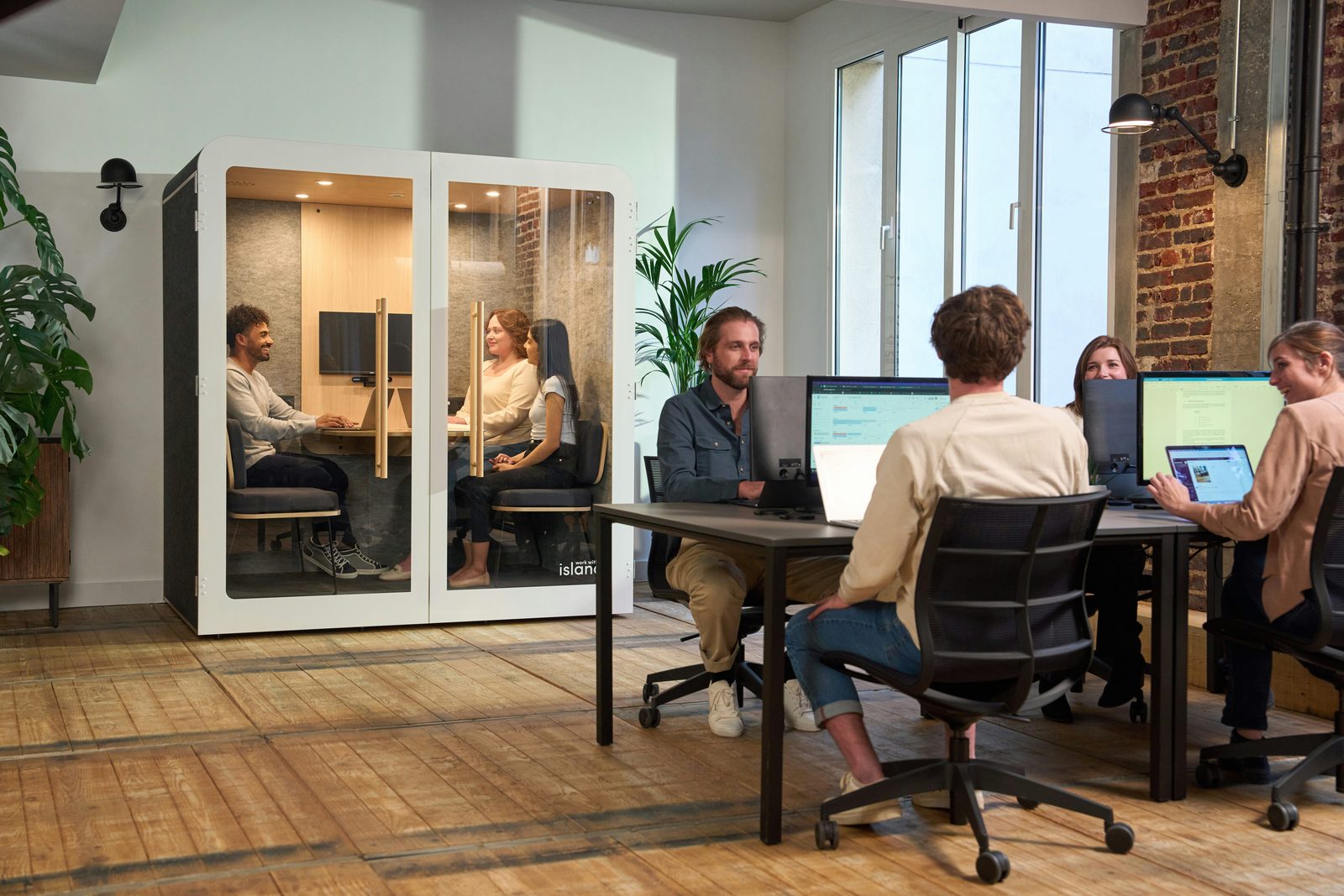
In office environments, the impact is quieter but noticeable. Guests move through the reception without delay, and hosts are notified without having to chase updates. Employees stay focused instead of stepping away to coordinate arrivals.
Restaurants and Hospitality Operations
Restaurants rarely think of visitors in the traditional sense, yet access still matters. Vendors arrive during busy hours. Maintenance teams come and go. Deliveries overlap with service. Front desk Visitor tracking system helps keep those movements organized, especially when timing and compliance matter.
Manufacturing Facilities
Manufacturing floors operate on clear boundaries. Contractors, inspectors, and vendors cannot move freely, and safety accountability is not optional. Visitor management systems make those limits practical without slowing production. The structure supports safety without interrupting the work itself.
Travel Agencies and Service Businesses
For service-based businesses, the front desk sets the tone. Appointments, documents, and client conversations often occur simultaneously. Digital visitor processes help keep information secure while maintaining a steady flow. The result is less friction and fewer interruptions throughout the day.
Small Businesses
Smaller organizations often feel the benefit quickly. Replacing manual logs reduces administrative effort and removes small but persistent errors. Digital check-in also signals professionalism without requiring significant investments. It is a modest change that carries weight.
Large-Scale Enterprises
At scale, visibility becomes the real advantage. Multi-location tracking and consistent access rules allow enterprises to maintain control across sites. Centralized reporting supports both security teams and leadership decisions.
Choose DeskFlex Visitor Management Software to Make Effortless Visitor Experience
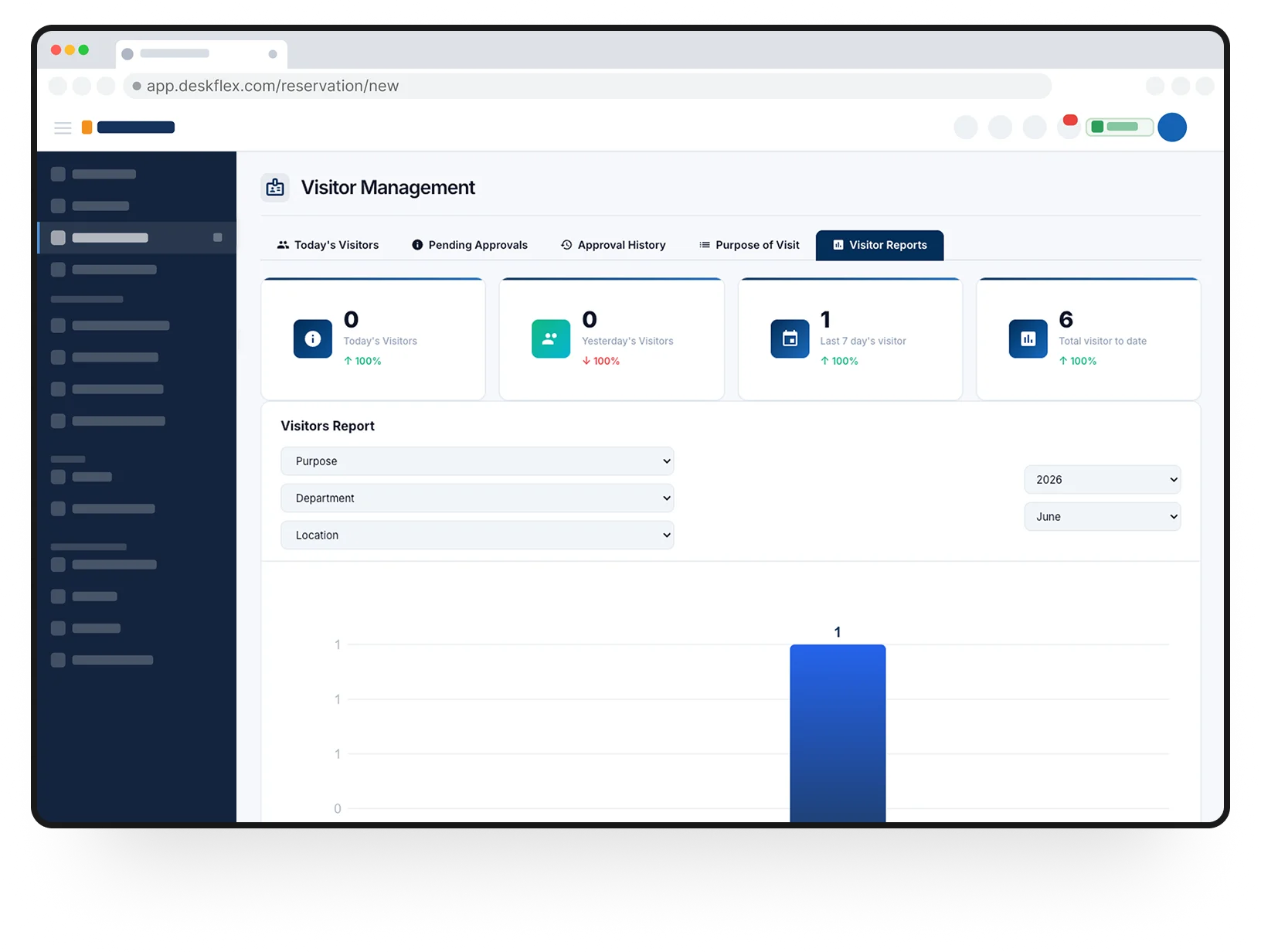
Creating a smooth visitor journey should feel natural for both guests and staff. DeskFlex visitor management helps organizations handle daily visitor flow without adding pressure on reception teams or operations. It is designed to support real workplaces where security, compliance, and efficiency must work together. Whether you manage a hospital, office, manufacturing site, or service business, DeskFlex helps you control access, improve safety, and keep daily operations running smoothly while maintaining a professional visitor experience.
Key Features That Support Effortless Visitor Experience
• Contactless digital check in for faster and safer entry
• Instant host notifications when visitors arrive
• Visitor pre registration to reduce waiting time
• Secure digital visitor records for compliance and audits
• Health and safety screening options for controlled entry
• Multi location visitor tracking for growing organizations
• Custom visitor badges and access permissions
• Centralized reporting for better visibility and control
Book your DeskFlex demo today and see how you can simplify visitor management while improving security and daily operations.
Conclusion
Visitor management rarely feels urgent until something goes wrong. A missing record. An unexpected audit. A safety question that cannot be answered quickly. Over time, organizations realize that managing visitors is not just an operational task. It is part of how trust, safety, and structure are maintained every day.
The real value of visitor management is not only control. It is the confidence that essential processes are handled reliably in the background without becoming a daily distraction. The impact appears differently depending on the environment. Hospitals experience fewer interruptions in patient areas. Manufacturing facilities maintain clear safety boundaries without slowing production. Smaller offices reduce friction in daily operations.
That is why visitor management is no longer limited to large enterprises or highly regulated industries. Whether you manage one location or many, the real question is whether your current process reflects how your organization actually operates today.
Frequently Asked Questions (FAQs)
What is a visitor management process?
It is the way an organization tracks, controls, and documents non-employees entering a space. At its simplest, it replaces manual sign-in with a structured, reliable flow. At its best, it removes uncertainty from daily operations.
Why is visitor management important for hospitals and patient care services?
Visitor management is necessary for hospitals and patient care services, as they handle constant movement across sensitive areas. Visitor management helps protect patient privacy, control access, and support safety protocols without slowing care delivery.
How does a visitor management system work?
A visitor management system captures visitor information digitally, manages access permissions, and records activity from arrival to departure. Most systems automate check-in, notifications, and reporting. The goal is consistency without added effort.
Can visitor management systems be used in restaurants?
Yes, especially for managing vendors, deliveries, and maintenance visits. Restaurants often benefit during peak hours when timing and access matter. It helps keep operations organized behind the scenes.
Are visitor management systems necessary for small businesses?
Not every small business needs advanced controls, but many benefit from basic digital check-in. Replacing manual logs reduces errors and administrative effort. It also presents a more professional front to visitors.
How do visitor management systems improve workplace security?
Visitor management systems limit access to approved areas and create a clear record of who is on site. That visibility reduces unauthorized entry and supports faster response during incidents.
What industries need visitor management systems the most?
Some of the industries that need visitor management systems include healthcare, manufacturing, corporate offices, and service-based businesses. Any environment with frequent visitors or compliance requirements benefits.
How does visitor management help manufacturing facilities?
Visitor management helps manufacturing facilities by enforcing access rules for contractors and vendors without disrupting production. Accountability becomes part of the workflow.
Are visitor management systems scalable for large enterprises?
Absolutely, scalability is one of its core strengths. Large organizations use them to manage visitors across multiple locations with consistent rules and centralized reporting. Oversight improves without adding manual work.
What data does a visitor management system collect?
A visitor management system typically records names, visit purpose, timestamps, and host details. Some environments also capture identification, acknowledgments, or access history. Data collection is usually configurable based on policy and regulation.


Support
Demo
Blog