The workplace environment plays a powerful role in shaping how employees perform, feel, and grow throughout their professional journey. It influences daily motivation, emotional wellbeing, productivity levels, and even long term career satisfaction. From office layout and leadership style to communication and company culture, every element contributes to how employees experience their workday and connect with their roles.
Understanding different workplace environments helps employees identify settings where they can thrive and perform at their best. It also enables employers to design healthier, more engaging workplaces that support collaboration and retention. A supportive work environment builds trust, confidence, and motivation, encouraging people to contribute with energy and purpose. In contrast, a toxic workplace gradually erodes morale, stifles creativity, and can negatively impact both individual careers and organizational success.
What Is a Work Environment?
A work environment refers to the overall setting in which employees carry out their daily responsibilities. It includes the physical workspace, organizational culture, leadership style, communication practices, and the emotional atmosphere within the organization. Together, these elements shape how comfortable, supported, and motivated employees feel while performing their roles.
The work environment also reflects how people interact with one another, resolve challenges, share ideas, and handle pressure. A positive work environment encourages engagement, creativity, and collaboration, helping employees perform with confidence and purpose. In contrast, a negative work environment increases stress, frustration, and disengagement, often leading to reduced productivity and higher employee turnover.
Key Aspects of a Work Environment

Every workplace environment is shaped by several essential elements that directly influence how employees feel, behave, and perform each day. These aspects work together to create an atmosphere that can either support productivity and wellbeing or contribute to stress and dissatisfaction. Understanding these foundational components helps organizations build environments where employees can succeed.
Physical Setup
The physical setup includes office layout, lighting, noise levels, equipment availability, and overall comfort. A thoughtfully designed workspace improves focus, reduces physical strain, and supports better posture and movement throughout the workday. Comfortable and functional environments help employees stay energized and engaged.
Organizational Culture and Values
Organizational culture reflects shared beliefs, behaviors, and expectations within a company. Strong values create trust, consistency, and a sense of belonging among employees. Weak or unclear culture often leads to confusion, misalignment, and internal conflict.
Communication Style
Communication style determines how information is shared and understood across teams. Clear and transparent communication builds confidence, strengthens teamwork, and reduces uncertainty. Poor communication results in misunderstandings, delays, and disengagement across departments.
Work Life Balance
Healthy workplaces respect personal time and recognize the importance of rest. Employees perform better when they can recharge without guilt or pressure. Balanced work environments reduce burnout and improve long term job satisfaction.
Leadership and Management Style
Leadership plays a crucial role in shaping employee experience. Supportive and empowering managers encourage growth, autonomy, and trust. Controlling or inconsistent management styles often reduce motivation and create tension within teams.
10 Types of Work Environments
Different work environments support different personalities, working styles, and career goals. Understanding these environments helps employees identify where they are most likely to thrive and helps employers design spaces that support productivity and satisfaction.
1. Hybrid Work Environment
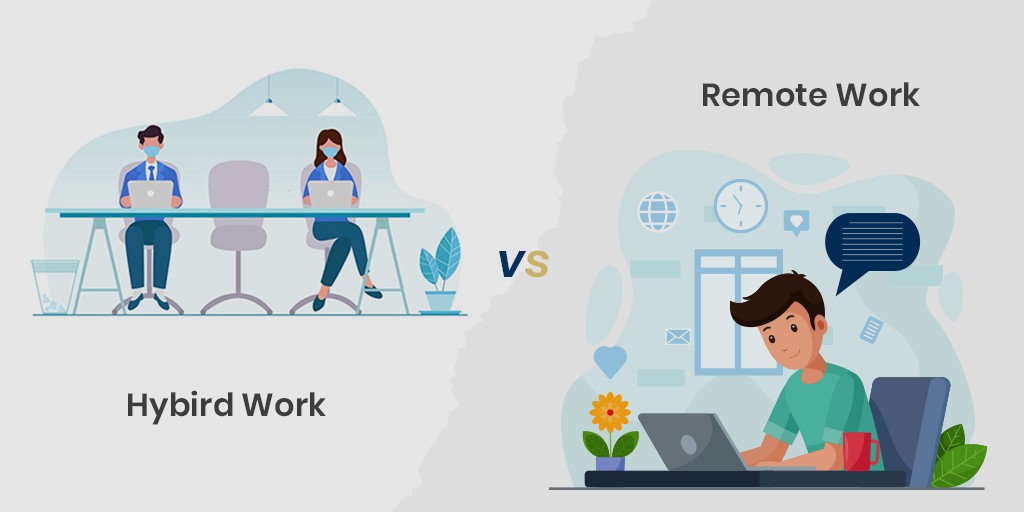
Hybrid work environments combine remote and office based schedules, allowing employees to split their time between home and the workplace. This model offers flexibility while maintaining team connection and collaboration. Employees benefit from reduced commuting stress and improved work life balance, while organizations retain structure and engagement.
2. Remote Work Environment
Remote work environments operate entirely online using digital communication and collaboration tools. They provide location independence and access to global career opportunities. Clear communication, structured workflows, and regular check ins are essential to prevent isolation, disengagement, and burnout.
3. Flexible Work Environment
Flexible work environments allow employees to choose their working hours or locations based on personal needs. This autonomy builds trust and increases job satisfaction and retention. Clear expectations and healthy boundaries are necessary to avoid overworking and mental exhaustion.
4. Realistic Work Environment
Realistic work environments focus on hands on tasks and practical problem solving. They suit individuals who enjoy physical activity, routine tasks, and visible results. Common roles include technicians, engineers, and construction professionals who prefer tangible outcomes.
5. Investigative Work Environment
Investigative work environments emphasize research, analysis, and independent thinking. They support deep focus and intellectual exploration, often requiring minimal interruptions. Scientists, analysts, and developers typically thrive in environments that value curiosity and problem solving.
6. Artistic Work Environment
Artistic work environments prioritize creativity, expression, and innovation. They often allow flexible processes, experimentation, and unconventional ideas. Creative freedom must be supported with guidance and resources to prevent burnout and maintain long term productivity.
7. Social Work Environment
Social work environments center on helping, teaching, and supporting others. They rely heavily on empathy, collaboration, and emotional intelligence. Teachers, counselors, healthcare workers, and nonprofit professionals commonly work in these people focused settings.
8. Enterprising Work Environment
Enterprising work environments are competitive and goal driven, focusing on results and growth. They reward ambition, leadership, and persuasive communication. Sales professionals, executives, and entrepreneurs often excel in fast paced environments that value achievement.
9. Conventional Work Environment
Conventional work environments follow structured processes, clear rules, and defined hierarchies. They provide stability and predictability for detail oriented individuals. However, these environments may feel restrictive for employees who prefer creativity and flexibility.
10. Collaborative Work Environment
Collaborative work environments emphasize teamwork, shared responsibility, and open communication. They encourage cross functional cooperation and collective problem solving. Trust, transparency, and strong communication tools are critical for success in these environments.
Signs of a Toxic Work Environment

A toxic work environment negatively impacts employees’ mental health, morale, and long-term performance. Recognizing early warning signs can help individuals and organizations take action before serious damage occurs. Toxicity can appear in leadership styles, communication patterns, policies, or team dynamics, and it often affects everyone in the workplace.
Working During Breaks
In toxic workplaces, employees are often expected to continue working during breaks, lunch, or personal time. This behavior shows a lack of respect for personal boundaries and prevents employees from recharging mentally or physically. Over time, it leads to exhaustion, resentment, and reduced productivity, making employees feel they are never truly off the clock.
Lack of Communication and Collaboration
Poor or inconsistent communication creates confusion and frustration. When information is withheld, deadlines are unclear, or team members are not aligned, collaboration breaks down. Employees may feel isolated, undervalued, and unsupported. A lack of transparency reduces trust and prevents teams from working effectively toward common goals.
Employees Pitted Against One Another
In toxic environments, unhealthy competition is encouraged at the expense of teamwork. Employees are often compared unfairly or rewarded only for individual achievements, fostering jealousy and mistrust. This dynamic creates tension within teams, discourages cooperation, and makes the workplace feel hostile rather than supportive.
Ignoring Employee Personalities
Every employee has unique working styles, strengths, and needs. Toxic workplaces often dismiss or fail to accommodate these differences, forcing people into rigid roles or expectations. When employees feel misunderstood or undervalued, engagement and morale drop, and talented individuals may leave for more supportive environments.
Underpaying Employees
Compensation that does not reflect effort, responsibilities, or market standards is a common sign of toxicity. Underpaying staff creates frustration and a sense of being undervalued. It can also lead to high turnover, low loyalty, and employees feeling exploited or demotivated.
Discrimination and Harassment
Toxic workplaces may ignore or normalize unfair treatment, harassment, or bias. Discrimination based on gender, race, age, or other factors creates fear and emotional harm. Employees feel unsafe speaking up, which damages morale, trust, and overall team cohesion. This behavior can also lead to legal consequences for organizations.
Aggression and Abuse
Verbal aggression, intimidation, yelling, or public shaming are clear indicators of toxicity. Such behaviors destroy psychological safety, reduce employee confidence, and create a stressful environment. Employees may feel constantly on edge, hesitant to contribute ideas, or fearful of making mistakes.
How to Create a Positive Work Environment?
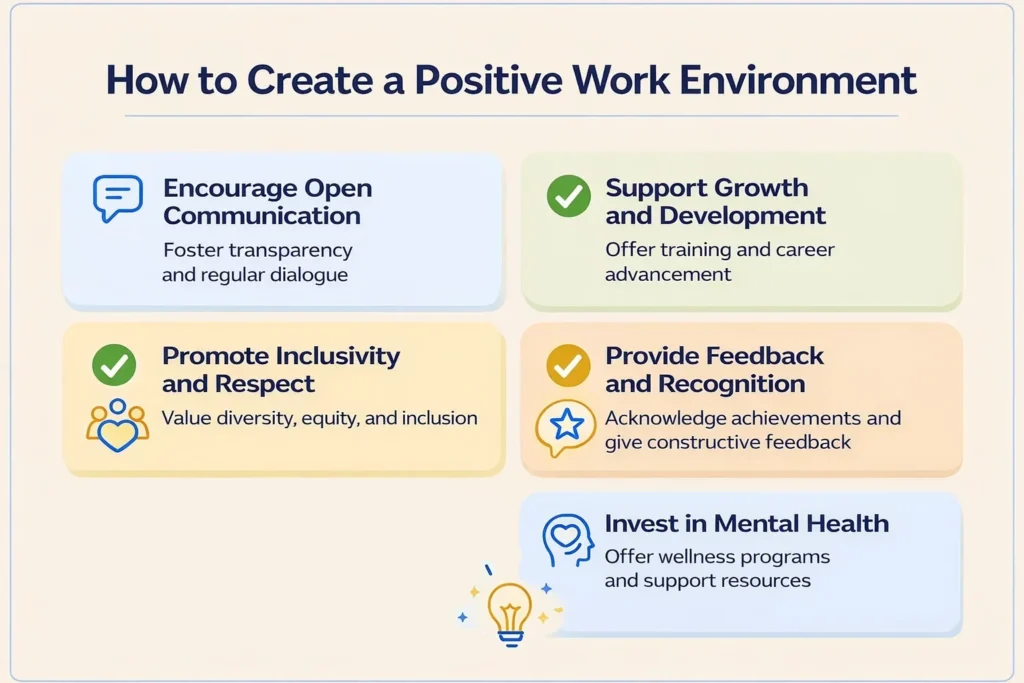
Creating a positive work environment requires thoughtful planning, consistent effort, and leadership that prioritizes employee wellbeing. A healthy workplace not only improves productivity but also enhances employee engagement, satisfaction, and long-term retention. Positive environments foster trust, collaboration, and innovation while reducing stress and burnout.
Encourage Open Communication
Open communication is the foundation of a healthy workplace. Employees should feel safe expressing ideas, asking questions, or raising concerns without fear of judgment or punishment. Leaders can encourage transparency by actively listening, responding respectfully, and maintaining honesty in all interactions. This builds trust, prevents misunderstandings, and strengthens collaboration across teams.
Support Growth and Development
Employees thrive when they see opportunities to learn, grow, and advance within the organization. Providing training programs, mentorship, and clear career progression paths motivates individuals to stay committed and perform at their best. Supporting personal and professional growth shows that the organization values its people and invests in their future.
Promote Inclusivity and Respect
Inclusivity and respect are essential for fostering a sense of belonging. Every employee should feel valued regardless of their background, role, or perspective. Encouraging diverse viewpoints, listening to all voices, and addressing discriminatory behavior helps organizations build inclusive spaces that create trust and mutual respect. Inclusive workplaces inspire loyalty, engagement, and creativity.
Provide Feedback and Recognition
Regular feedback helps employees understand their performance, identify areas for improvement, and grow in their roles. Recognition, whether formal or informal, reinforces positive behavior and motivates employees to continue contributing effectively. Celebrating achievements fosters morale, strengthens team cohesion, and demonstrates appreciation for hard work.
Invest in Mental Health
Supporting mental health is crucial for sustaining employee wellbeing and long-term productivity. Organizations can provide resources such as counseling, wellness programs, flexible schedules, and mental health days, often guided by professionals who have completed advanced training such as a Counseling M.A. program. Prioritizing mental health helps employees manage stress, stay engaged, and maintain a balanced, fulfilling work experience.
How Deskflex Helps Build Your Work Environment?
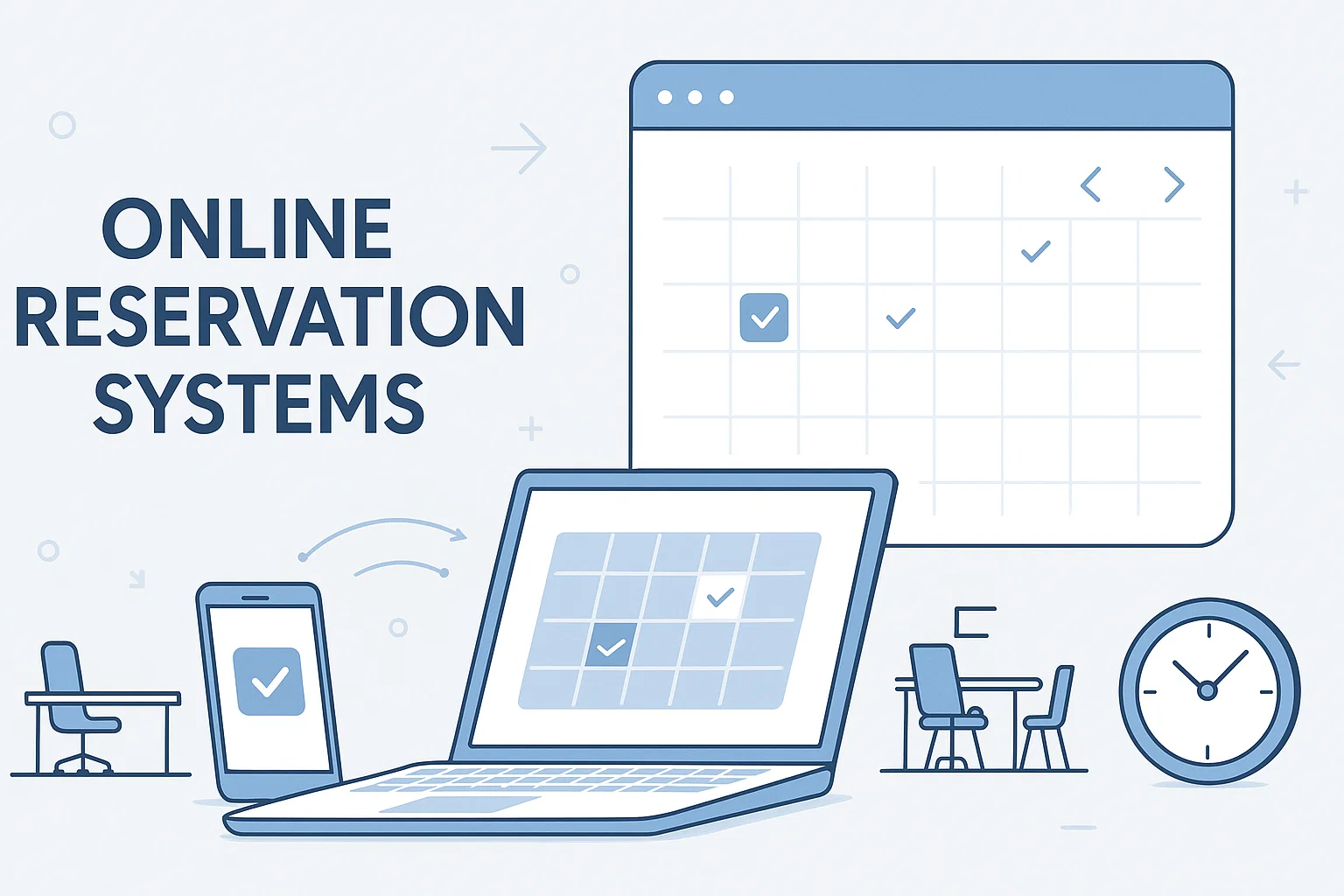
Deskflex makes managing modern workplaces simple and efficient, especially for hybrid and flexible teams. It helps organizations optimize office space, streamline conference room scheduling, and improve overall employee satisfaction. With smart desk booking, team scheduling, and resource management, employees can work comfortably while staying connected and productive.
By providing clear visibility of available spaces and easy desk booking options, Deskflex reduces confusion, minimizes wasted resources, and ensures a seamless daily workflow. Managers can monitor utilization, plan for team needs, and create a well-organized work environment that supports collaboration and flexibility.
Transform your workplace into a more productive, employee-friendly space today. Book your live demowith Deskflex and see how it can revolutionize your work environment.