


Blog
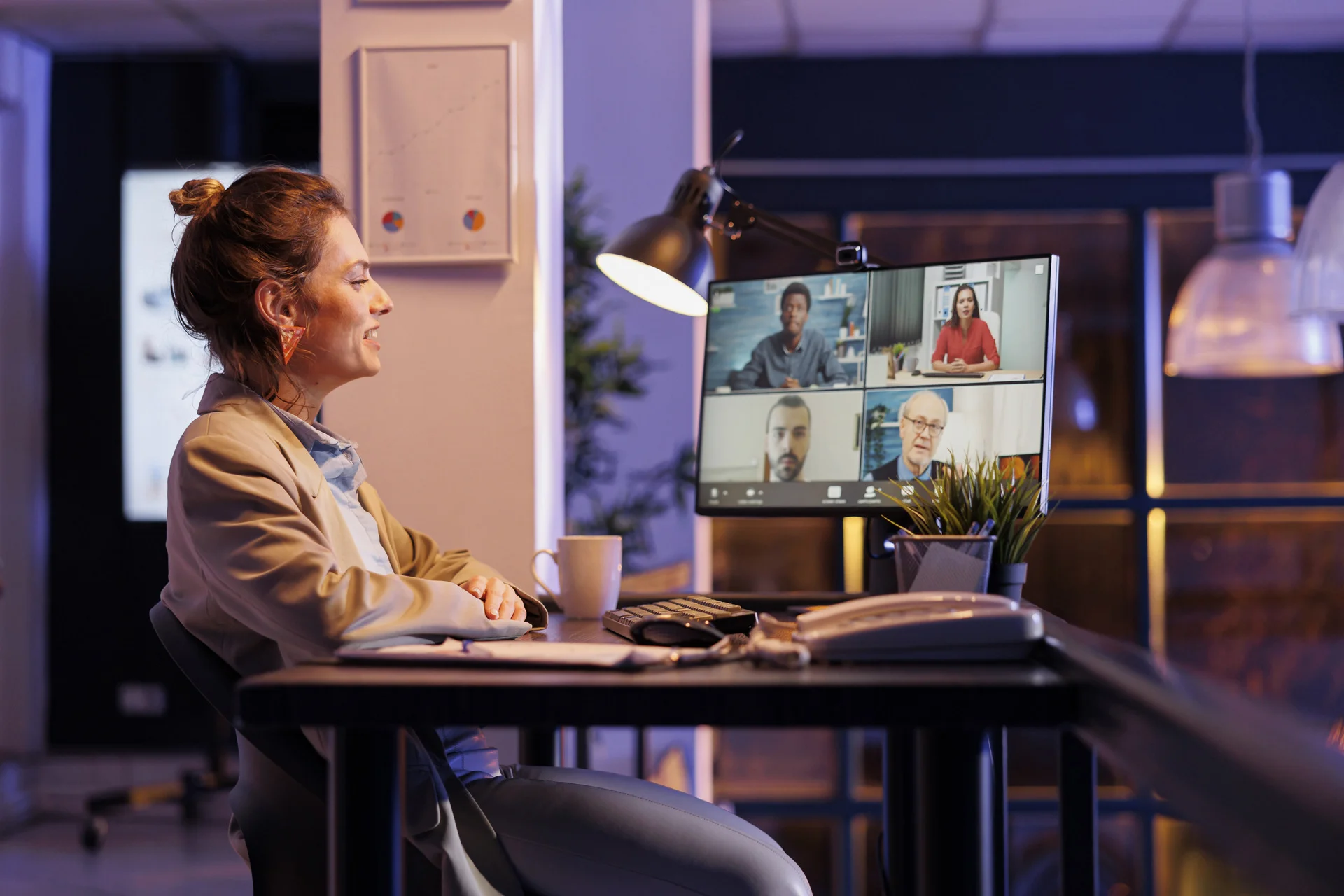
Why Office Hoteling Software is Essential for Hybrid Work
Hybrid work is now a permanent reality for many organizations as employees split time between home and office. According to Gartner, 75% of employers will shift to a hybrid work model by 2026, reflecting a long‑term workplace transformation rather than a temporary trend. Managing schedules, workspace availability, and collaboration can be challenging without the right technology. When teams are distributed across remote and in‑office days, ensuring fair access to desks, meeting rooms, and shared spaces becomes increasingly complex.
This is where office hoteling software plays a crucial role. It provides an intelligent way to organize desks, meeting rooms, and shared resources efficiently, giving employees the flexibility to reserve spaces that fit their work needs. By offering real‑time visibility into workspace availability and simplifying booking processes, this technology helps organizations optimize space, improve employee productivity, and streamline daily operations in hybrid offices. As hybrid work continues to evolve, adopting smart workspace management tools is key to maintaining a productive and flexible work environment.
Key Challenges of Hybrid Workplaces
Hybrid work offers flexibility but also brings unique challenges that organizations must address to remain productive and organized.
1. Desk and Room Management Conflicts
Employees alternating between home and office can create confusion over which desks or meeting rooms are available. Without proper systems, spaces can be overbooked, leading to frustration, wasted time, and workflow interruptions.
2. Underutilized Office Space
Many workspaces remain empty on remote days, wasting valuable real estate and increasing operational costs. Managers often struggle to track usage and ensure resources are efficiently allocated.
3. Collaboration and Team Coordination
Hybrid teams may find it difficult to collaborate effectively when employees are in different locations on different days. Lack of visibility into who is in the office can reduce productivity and slow decision-making.
4. Scheduling and Communication Issues
Coordinating schedules across hybrid teams is complex, especially for meetings or shared resources. Employees may miss opportunities to book the right space or face last-minute changes, causing inefficiencies.
5. Safety and Compliance Concerns
Maintaining capacity limits, social distancing, and cleaning protocols is challenging without a structured system. Organizations risk overcrowding or unsanitary workspaces if workspace usage is not monitored properly.
What is Office Hoteling Software?
Office hoteling software allows employees to reserve desks, meeting rooms, and equipment in advance. It provides real-time visibility of available workspaces across the office, ensuring better planning and usage. Employees can select spaces based on their work needs, whether for collaboration or focused tasks. Managers gain insights into utilization patterns and can allocate resources more efficiently for hybrid teams.
Key Benefits of Office Hoteling Software for Hybrid Work
Office hoteling software helps organizations manage hybrid workplaces more efficiently by improving workspace booking, collaboration, and employee experience. Using smart technology ensures teams can work flexibly while maximizing office space and resources.
1. Streamlines Workspace Booking
Employees can quickly reserve desks or rooms without confusion, making hybrid work schedules easier to manage. This reduces overcrowding, prevents last-minute conflicts, and saves time for both employees and facility managers.
2. Boosts Productivity
Employees can select workspaces that suit their tasks, whether for focused quiet work or collaborative projects. Providing this flexibility improves satisfaction and helps individuals perform at their highest potential.
3. Enhances Collaboration
Teams can reserve rooms together to stay connected and work on projects without being scattered across the office. The software supports both scheduled meetings and spontaneous discussions while maintaining smooth hybrid communication.
4. Optimizes Space and Resources
Managers can track desk and room usage to identify underutilized areas and reallocate them efficiently. This ensures office space is used effectively and equipment is available when teams need it.
5. Reduces Operational Costs
Flexible office booking reduces the need for permanent desks, allowing organizations to optimize smaller office footprints. Companies can save on rent, utilities, and maintenance while supporting a growing hybrid workforce.
6. Supports Safety and Compliance
Organizations can manage room capacity, cleaning schedules, and access rules to maintain a safe environment. The software can block overcrowded areas and help ensure social distancing or other workplace protocols are followed.
7. Improves Visitor and Guest Management
Hybrid offices often receive visitors, clients, and remote employees who need temporary access to the workplace. Integrated visitor management allows organizations to register guests, manage check ins, and maintain workplace security efficiently.
How Office Hoteling Software Works in a Hybrid Workplace?
Office hoteling software streamlines workspace management by giving employees and managers real-time visibility into desks, rooms, and shared equipment. This ensures smooth scheduling, better collaboration, and efficient use of office space in hybrid environments.
1. Real-Time Availability
Employees can instantly see which desks, meeting rooms, or shared equipment are free using web or mobile applications. This helps avoid conflicts and allows staff to plan their workday efficiently.
2. Capacity and Equipment Checks
Before reserving a space, employees can verify seating capacity, available equipment, and floor plan layouts. This ensures the selected workspace meets their needs for meetings, collaboration, or focused work.
3. Room Status Display
Digital screens outside rooms show current availability, indicating whether spaces are booked, in use, or free. This reduces confusion and allows employees to quickly locate suitable work areas without delays.
4. Notifications and Calendar Integration
Employees receive notifications about upcoming reservations, schedule changes, or conflicts through email or mobile alerts. Integration with calendars helps teams stay organized and coordinate hybrid schedules seamlessly.
5. Manager Insights
Managers can track space usage and analyze utilization reports to optimize office layouts and resource allocation. These insights improve efficiency, support collaboration, and help organizations plan hybrid workspace strategies effectively.
How to Choose the Office Hoteling Software for a Hybrid Office
Selecting the right office hoteling software is essential for managing hybrid workplaces efficiently. The right solution ensures employees can book desks and rooms easily while managers optimize office resources.
1. Real-Time Availability
Choose software that provides live updates on available desks, meeting rooms, and shared equipment across all locations. This ensures employees can quickly find and reserve the spaces they need without conflicts.
2. Floor Plan Views and Resource Tracking
Look for solutions that include interactive floor plans and resource tracking for equipment and workspace. This allows employees to select spaces that meet their specific requirements for collaboration or focused work.
3. Mobile and Web Access
Ensure the software supports both mobile and web platforms so teams can reserve workspaces anytime, anywhere. Flexible access makes hybrid scheduling convenient for employees who work remotely or travel between offices.
4. Calendar Integration
Integration with calendars like Outlook or Google Workspace helps keep schedules organized. It prevents double bookings and ensures smooth coordination for hybrid teams.
5. Analytics and Reporting
Choose software that provides insights into space utilization, occupancy trends, and resource usage. These analytics help organizations plan office layouts, improve efficiency, and make informed long-term decisions.
Try DeskFlex Hybrid Work and Office Hoteling Software
Managing hybrid workplaces becomes easier when organizations use technology designed for flexible work environments. DeskFlex provides hybrid work software that helps companies manage desk bookings, meeting rooms booking, and shared spaces efficiently.
Employees can quickly check available desks or meeting rooms, view seating capacity, and reserve spaces that match their work needs. Real time scheduling, calendar integration, and room display screens outside meeting rooms help teams stay informed about room status and upcoming reservations.
DeskFlex also supports visitor management, allowing organizations to register guests, manage check ins, and maintain workplace security more efficiently. This creates a smoother experience for employees, visitors, and facility managers in modern hybrid offices.
Try DeskFlex today to simplify workspace booking, improve collaboration, and build a more organized and productive hybrid workplace.
Frequently Asked Questions (FAQs)
What is office hoteling software?
Office hoteling software is a workspace management tool that allows employees to reserve desks, meeting rooms, and shared resources before arriving at the office. It helps organizations manage hybrid workplaces by providing real time visibility into space availability and improving office utilization.
How does office hoteling software support hybrid work?
Hybrid work requires employees to split time between remote and office environments. Office hoteling software allows teams to schedule their workspace in advance, ensuring desks and meeting rooms are available when needed. This helps organizations maintain flexibility while keeping the workplace organized.
What are the benefits of using office hoteling software?
Office hoteling software improves workspace management, increases employee productivity, and helps organizations optimize office space. It also supports collaboration by allowing teams to reserve meeting rooms and shared workspaces when working together in the office.
Can office hoteling software help reduce office costs?
Yes, office hoteling software helps organizations track workspace usage and identify underutilized areas. This allows companies to reduce unnecessary office space, lower operational costs, and manage resources more efficiently in hybrid work environments.
What features should you look for in office hoteling software?
Organizations should choose software that provides real time desk availability, interactive floor plans, mobile access, and calendar integration. Analytics and reporting features are also important because they help managers understand workspace usage and improve office planning.