


Blog
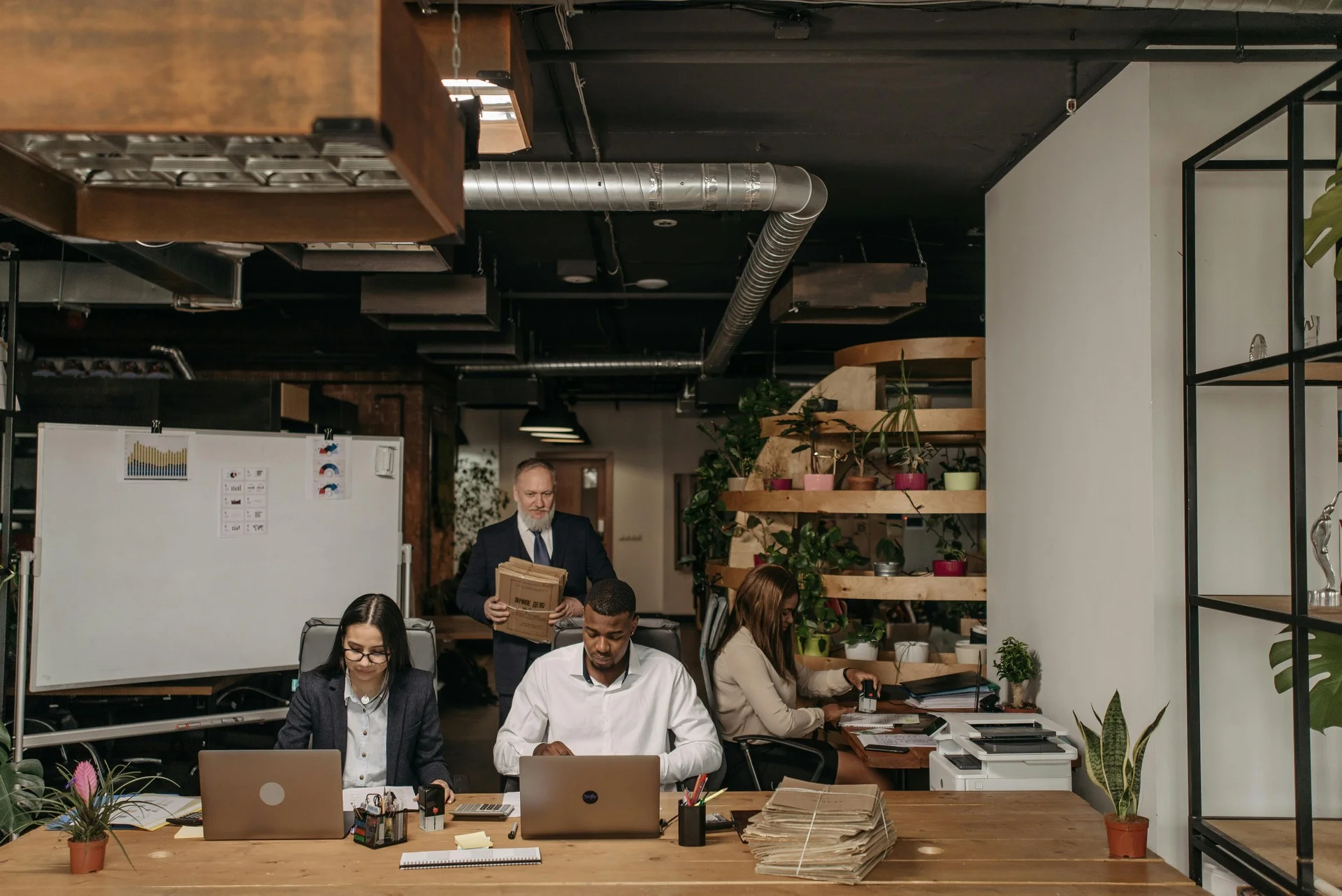
How Office Hoteling Improves Government Workplace Efficiency
Government offices are increasingly focusing on improving efficiency, transparency, and better utilization of public resources. Traditional fixed seating arrangements often lead to uneven space usage, where some areas remain overcrowded while others stay underused throughout the day.
As public sector organizations grow and modernize, managing office space effectively has become more important than ever. Employees from different departments require flexible access to workspaces that support collaboration, planning, and daily operations.
Office hoteling offers a practical solution by allowing employees to reserve desks and meeting rooms in advance based on their work schedules. It helps government offices create a more organized, flexible, and data driven workspace environment while maintaining structure and accountability.
This approach not only improves space utilization but also supports better coordination across departments, making government workplaces more efficient and future ready.
What is Office Hoteling in Government Offices?
Office hoteling in government workplaces is a modern approach to managing shared office spaces efficiently. It replaces traditional fixed seating arrangements with a flexible booking system for desks and meeting rooms. Employees reserve workspaces in advance based on availability and departmental needs.
This system helps public sector organizations manage office space more effectively while maintaining structure and control. It also supports better coordination among departments that operate within large government buildings.
Why Government Offices Need Office Hoteling?
Government offices operate with large teams, multiple departments, and limited physical infrastructure. Managing such environments efficiently requires a structured approach to workspace allocation and utilization. Office hoteling provides a modern solution that helps improve space management and overall operational efficiency.
1. Optimizing Limited Office Space
Government buildings often face challenges in balancing growing workforce needs with limited office capacity. Office hoteling helps maximize available space by allowing employees to share and reserve workstations based on actual demand. This reduces unused areas and improves overall space efficiency.
2. Improving Space Allocation Across Departments
Different departments within government offices may have varying workspace requirements throughout the day. Office hoteling ensures that space is allocated based on real usage rather than fixed assignments. This helps distribute resources more effectively across all teams.
3. Supporting Better Cost Management
Expanding government office infrastructure can be costly and time consuming. Office hoteling helps reduce the need for additional space by improving utilization of existing resources. This leads to better cost control and more efficient use of public funds.
4. Enhancing Transparency and Operational Efficiency
Office hoteling introduces a structured system for managing workspace reservations and usage. This improves transparency in how office resources are allocated and helps administrators monitor space utilization. It also enhances day to day operational efficiency across departments.
Key Challenges in Government Office Space Management
Government offices manage complex environments with multiple departments, large employee groups, and shared infrastructure. Without proper systems in place, space management becomes inefficient and difficult to control.
1. Fixed Seating Inefficiencies
Traditional fixed seating arrangements often result in poor space utilization across government offices. Some areas remain empty while others become overcrowded, which reduces productivity and creates imbalance in workspace usage.
2. Overcrowding and Underutilized Offices
Many government departments experience uneven office occupancy throughout the day. While some workstations are heavily used, others remain vacant for long periods. This inconsistency makes it difficult to optimize available office space effectively.
3. Coordination Across Departments
Government offices usually consist of multiple departments working independently within the same facility. Without a centralized system for workspace management, coordinating office usage becomes complex and time consuming for administrators and employees.
4. Limited Visibility of Workspace Usage
In many cases, administrators lack real time visibility into how office spaces are being utilized. This makes it challenging to track occupancy levels, identify inefficiencies, and make informed decisions for better space planning.
How Office Hoteling Works in Government Offices?
Office hoteling systems provide government employees with a centralized digital platform to manage workspace reservations efficiently. Employees can browse available desks, meeting rooms, and shared areas, then book them according to their daily schedule and departmental needs. This creates a more organized and structured approach to office space usage.
1. Centralized Workspace Booking System
Government employees can access a single platform to view all available workspaces in real time. They can select and reserve desks or meeting rooms based on availability and requirements. This helps ensure fair and efficient allocation of office resources across departments.
2. Approval Based Reservation Workflow
Some government organizations may require approval workflows before confirming bookings. This ensures that workspace usage aligns with departmental policies and administrative guidelines. It also adds an extra layer of control and accountability in office management.
3. Check In and Access Control Process
Once employees arrive at the office, they can check in using digital tools such as mobile applications, QR codes, or access cards. This confirms their presence and helps maintain accurate records of workspace usage across the organization.
4. Usage Tracking and Data Collection
The system automatically records workspace usage data to help administrators analyze occupancy patterns. This information supports better planning, improves resource allocation, and enhances overall efficiency in government office operations.
Benefits of Office Hoteling in Government Workplaces
Office hoteling brings significant improvements to government workplaces by creating a more structured, efficient, and flexible approach to managing office space. It helps public sector organizations optimize resources while supporting better coordination among employees and departments.
1. Improved Space Utilization
Government offices can make better use of their available space by reducing idle or unused workstations. This ensures that office resources are allocated more efficiently across different departments and teams, improving overall productivity and space management.
2. Better Interdepartmental Collaboration
Employees from different departments can easily book nearby workspaces when working on joint tasks or projects. This encourages better communication, improves teamwork, and supports smoother collaboration within government organizations.
3. Reduced Operational Costs
By optimizing existing office space, government institutions can reduce the need for additional infrastructure or office expansion. This helps control operational expenses and allows better use of public budgets over time.
4. Increased Transparency and Accountability
Office hoteling systems provide detailed insights into workspace usage and employee activity. This transparency helps administrators monitor office operations more effectively and make informed decisions based on real usage data.
5. Enhanced Employee Experience
Employees benefit from a more organized and flexible working environment. They can plan their office visits in advance and secure workspaces without uncertainty, which improves comfort and overall workplace satisfaction.
How to Implement Office Hoteling in Government Offices
Implementing office hoteling in government workplaces requires careful planning, structured execution, and continuous improvement. A well organized approach ensures smooth adoption and long term efficiency across departments.
1. Assessing Office Space Requirements
Organizations must first evaluate their current office layout and identify how space is being used. This helps highlight inefficiencies and determines how the hoteling system should be designed to meet operational needs effectively.
2. Choosing the Right Software System
Selecting the best office hoteling platform is a critical step for successful implementation. The system should support essential features such as workspace booking, reporting tools, and administrative controls to ensure smooth and scalable operations.
3. Setting Policies and Approval Rules
Government offices often require structured policies to manage workspace reservations effectively. Approval workflows and clear booking rules help maintain discipline, prevent misuse, and ensure fair access to office resources.
4. Employee Training and Adoption
Proper training is essential to ensure employees understand how to use the system correctly. Clear guidance and onboarding sessions improve adoption rates and reduce confusion during the initial stages of implementation.
5. Monitoring and Optimization
After the system is implemented, continuous monitoring is necessary to evaluate performance. Administrators can analyze usage patterns and make improvements to enhance efficiency and optimize workspace management over time.
Try DeskFlex Office Hoteling Software
If you are looking to improve efficiency in government office space management, adopting a modern hoteling system can make a significant difference. DeskFlex Office Hoteling Software helps organizations manage desk booking, meeting room booking, and shared workspaces in a more structured and organized way.
It allows employees to easily reserve workspaces in advance, ensuring that office resources are used efficiently and without confusion. Administrators can also monitor usage, manage bookings, and maintain better control over space allocation across departments.
This creates a more transparent and well organized workplace where government teams can operate smoothly and collaborate more effectively. It also supports better planning and reduces unnecessary space wastage in public sector offices.
👉 Book a free demo today and see how DeskFlex can improve government office space management with smarter hoteling solutions.
Frequently Asked Questions (FAQs)
What is office hoteling in government offices?
Office hoteling is a system that allows government employees to reserve desks and meeting spaces in advance. It helps manage office space more efficiently and improves organization.
Why is office hoteling important for public sector workplaces?
It is important because it improves space utilization, reduces costs, and enhances coordination across government departments. It also supports better workplace management.
How does office hoteling improve efficiency in government offices?
It improves efficiency by allowing better planning of workspace usage and reducing overcrowding or unused desks. This creates a more balanced office environment.
Is office hoteling suitable for all government departments?
Yes, it can be used across various departments depending on their workspace needs and operational structure. It is flexible and scalable for different office sizes.
What challenges exist in implementing office hoteling in government offices?
Challenges include employee resistance, system integration issues, and the need for proper training. These can be managed with clear planning and communication.