Blog
Top 10 Employee Qualities to Overcome Hybrid Work Challenges
Introduction: Thriving in the Modern Hybrid Workplace
Hybrid work has transformed the way organizations operate. Employees now divide their time between remote work and office environments, creating new opportunities for flexibility and productivity. However, hybrid work also introduces challenges such as communication gaps, collaboration difficulties, and maintaining team engagement.
To succeed in hybrid workplaces, employees must develop a range of skills that support both independent work and team collaboration. Strong communication, adaptability, and teamwork are essential traits that help organizations overcome hybrid challenges and maintain productivity.
By combining these employee qualities with modern workplace technology—such as workspace scheduling and desk booking software like DeskFlex—companies can build efficient and collaborative hybrid environments. Hybrid work models allow employees to balance remote and on-site work while improving productivity and work-life balance.
Why Employee Qualities Matter in Hybrid Work Environments
In traditional office settings, communication and collaboration happen naturally through in-person interactions. In hybrid environments, employees must be more intentional about how they communicate, manage tasks, and collaborate with colleagues.
Hybrid teams need employees who can adapt to different work environments and maintain productivity regardless of their location. Strong team qualities help organizations:
improve collaboration across remote and office teams
reduce communication challenges
maintain productivity and accountability
build a positive workplace culture
Hybrid offices succeed when employees combine strong interpersonal skills with modern workplace technologies that support collaboration and scheduling.
Essential Employee Traits for Hybrid Work Success
Successful hybrid teams rely on employees who possess a combination of professional and interpersonal skills. These qualities help individuals work independently while staying connected with their teams.
Below are ten essential employee qualities that help organizations overcome hybrid workplace challenges.
1. Effective Communication Skills
Clear and open communication is the foundation of successful hybrid work. Employees must be able to communicate ideas clearly through various channels such as emails, video meetings, and collaboration platforms.
Effective communication helps teams:
share project updates
avoid misunderstandings
collaborate efficiently
Strong communicators ensure that remote and office employees remain aligned on tasks and goals.
2. Strong Team Collaboration
Collaboration is essential for solving problems and achieving business goals. Hybrid employees must be able to work effectively with colleagues regardless of their location.
Successful collaboration involves:
sharing ideas openly
supporting team members
participating actively in discussions
When employees collaborate effectively, hybrid teams can maintain productivity and innovation.
3. Adaptability to Change
Hybrid work environments often require employees to adapt quickly to changing schedules, technologies, and workflows. Adaptable employees are open to learning new tools and adjusting their work habits when needed.
Adaptability helps organizations:
respond to workplace changes
implement new technologies
maintain productivity in dynamic environments.
4. Proactive Problem-Solving
Hybrid teams benefit greatly from employees who take initiative and solve problems independently. Proactive workers identify challenges early and find solutions before they disrupt productivity.
Proactive employees often:
suggest improvements
take initiative on tasks
anticipate potential issues.
5. Critical Thinking and Decision-Making
Critical thinking enables employees to analyze problems, evaluate solutions, and make informed decisions. In hybrid environments, where managers may not always be present, employees often need to solve problems independently.
Teams that encourage critical thinking can address challenges more effectively and maintain progress on projects.
6. Leadership and Accountability
Leadership is not limited to managers. In hybrid workplaces, employees must take responsibility for their tasks and contribute to team success.
Employees who demonstrate leadership qualities:
take ownership of projects
support colleagues
contribute ideas for improvement.
Strong leadership skills help teams stay organized and focused on shared goals.
7. Active Listening
Listening is a critical communication skill that helps employees understand different perspectives and collaborate effectively. Active listeners pay close attention during meetings and respond thoughtfully to team members’ ideas.
This quality helps:
reduce misunderstandings
improve team relationships
ensure everyone’s ideas are heard.
8. Encouraging and Supporting Colleagues
Hybrid teams perform best when employees support and motivate each other. Encouraging colleagues helps create a positive workplace culture and strengthens collaboration.
Employees who uplift their teammates contribute to:
stronger team morale
improved engagement
better overall productivity.
9. Willingness to Help Others
Hybrid work environments require strong teamwork. Employees who are willing to assist colleagues when challenges arise help ensure projects stay on track.
Helping others demonstrates:
teamwork
commitment to shared goals
strong workplace relationships.
A supportive culture improves the performance of hybrid teams.
10. Openness to Feedback and Continuous Improvement
Feedback is essential for personal and professional growth. Employees who accept constructive criticism and apply feedback to improve their work contribute to a stronger organization.
Continuous improvement allows employees to:
refine their skills
adapt to changing workplace demands
contribute more effectively to team success.
How Workplace Technology Supports Hybrid Teams
Employee qualities are essential, but technology also plays a crucial role in hybrid work success. Modern workplace management tools help teams collaborate, schedule workspaces, and coordinate activities.
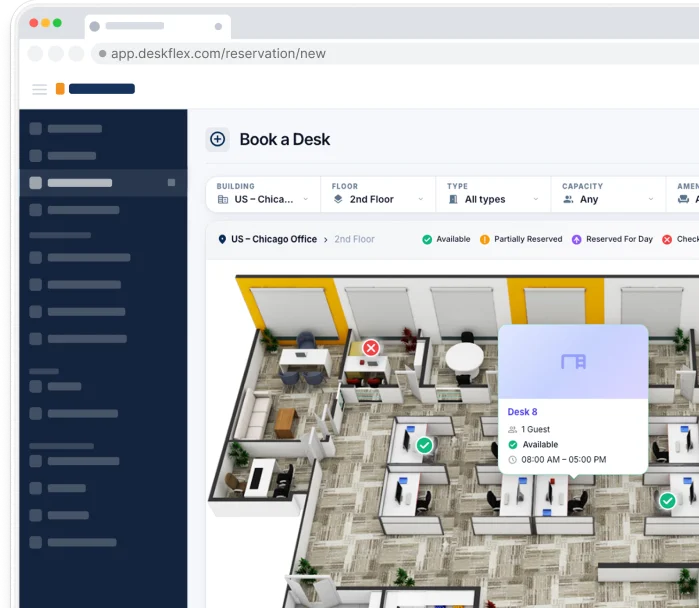
Solutions like DeskFlex hybrid workplace software allow organizations to manage desk bookings, meeting room reservations, and workspace scheduling more efficiently. These tools improve workplace flexibility and productivity by supporting both remote and in-office employees.
Key benefits include:
improved workspace visibility
easier meeting room scheduling
better collaboration across teams
optimized office space usage.
Building a Successful Hybrid Workplace Culture
Organizations that combine strong employee qualities with modern workplace technology create a culture that supports productivity and collaboration.
Leaders can encourage hybrid success by:
promoting open communication
providing training and development opportunities
implementing workplace management tools
encouraging teamwork and accountability.
A strong workplace culture helps hybrid teams remain engaged, motivated, and productive.
Conclusion: Empowering Employees to Overcome Hybrid Challenges
Hybrid work is reshaping modern workplaces. While this model offers flexibility and improved work-life balance, it also requires employees to develop new skills that support collaboration, communication, and adaptability.
Employees who demonstrate strong communication, teamwork, problem-solving, and leadership qualities help organizations overcome hybrid challenges and build productive work environments.
By combining these qualities with modern workplace technology such as DeskFlex workspace management software, companies can create smarter, more efficient hybrid workplaces that support both employees and business growth.
Frequently Asked Questions (FAQs)
1. What are the most important employee qualities for hybrid work?
The most important employee qualities for hybrid work include strong communication skills, adaptability, collaboration, accountability, and problem-solving abilities. Employees must also be comfortable using digital tools and maintaining productivity in both remote and office environments to ensure effective teamwork and project success.
2. Why are communication skills important in hybrid workplaces?
Communication skills are essential in hybrid workplaces because employees often collaborate from different locations. Clear communication helps teams stay aligned on tasks, share project updates, and prevent misunderstandings. Effective communication tools and practices ensure remote and office employees remain connected and productive.
3. How can employees overcome hybrid work challenges?
Employees can overcome hybrid work challenges by developing strong collaboration skills, maintaining clear communication, managing time effectively, and staying adaptable to new technologies and workflows. Using workplace tools such as scheduling software and collaboration platforms also helps teams coordinate work more efficiently.
4. What skills are needed for successful hybrid teams?
Successful hybrid teams require skills such as teamwork, adaptability, problem-solving, leadership, and active listening. Employees must also be comfortable using digital collaboration tools, participating in virtual meetings, and coordinating tasks with both remote and in-office colleagues.
5. How does workplace technology support hybrid work?
Workplace technology supports hybrid work by enabling employees to collaborate, communicate, and schedule workspaces effectively. Tools such as video conferencing platforms, collaboration software, and workspace scheduling systems help teams stay organized and productive regardless of their location.


Support
Demo
Blog
Newsroom