


Blog
Blog
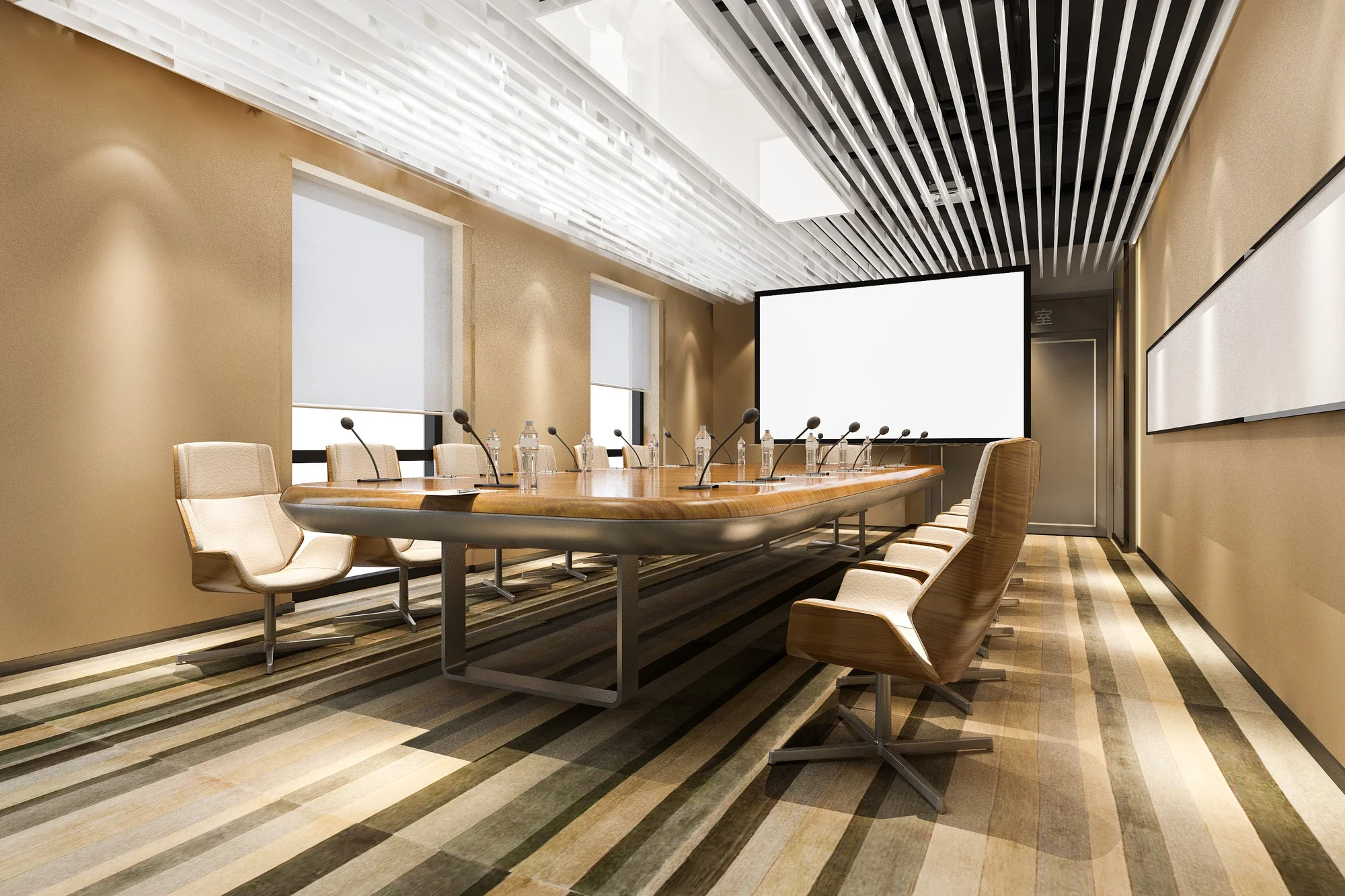
Conference Room Rental: A Practical Guide for Modern Business Meetings
Introduction
Most meetings happen fine over a video call. The ones that do not, the board sit down, the pitch to a new client, the planning day that decides the next quarter, still need a real room with a door that closes and a screen that works on the first try. That is the gap a conference room rental fills. You get a professional space for a few hours, then you hand it back.
Work has moved on, and the way companies treat meeting space has moved with it. Offices are smaller, teams are spread out, and nobody wants to pay rent on a boardroom that sits empty four days a week. Renting a room when you actually need one has gone from a hotel only option to something teams do every week. This guide covers what a rental gives you, who uses them, what they cost in 2026, how a dedicated room compares to a hotel, and how to keep all of it organized once your team relies on rooms in more than one place.
What a conference room rental actually is
A conference room rental is a professional meeting space you book for a short time, by the hour, half day, or full day, without signing a lease. Some teams need one once a month. Others book one every week. Either way you pay for the time you use and nothing more, which is the whole appeal.
These rooms are built for the job. The lighting is set up for a screen and a camera, the chairs hold up through a long session, and the layout is meant for conversation rather than crammed in like a spare desk. That is the difference between a rented conference room and the corner of a coworking floor or a borrowed office. One is designed for focus. The other just happens to be free. Rentals cover everything from a quick interview to an all day workshop to a hybrid meeting with half the people dialing in from other cities.
Why more teams rent instead of holding empty rooms
The math is simple. A permanent conference room costs you rent, utilities, cleaning, and upkeep whether you use it twice a week or twice a month. A rental costs you only the hours you book. For a lot of companies that one change pays for itself.
- You stop paying for empty space. No more boardroom sitting dark most of the week while it still shows up on the lease.
- The bill scales with use. Book three hours, pay for three hours. Budgeting gets a lot easier to defend.
- You can match the room to the meeting. A two person interview and a twenty person workshop do not need the same space, and with a rental you pick the right one each time.
- It looks the part. A proper room signals you are serious before anyone says a word, which matters when a client is in the chair across from you.
- People actually focus. A quiet room built for meetings beats a noisy open floor when the conversation matters.
Conference room rental by the numbers
A few figures that explain why demand keeps climbing. Check each against the original source before you publish, and keep the attribution in. Sourced numbers are part of what earns a citation in AI answers.
| What it measures | Figure | Source |
|---|---|---|
| National median meeting room rate (hourly) | ~$45 / hour | CoworkingCafe 2025 Price Report |
| Typical range across metros | $20 to $75 / hour | CoworkingCafe 2025 |
| Year over year rise in meeting room bookings | +22% | Cushman & Wakefield, 2025 |
| Companies that now mandate set in office days | 72% | Ronspot 2026 report |
| Offices that peak on Tuesday to Thursday | 98% | Ronspot 2026 report |
| Savings vs hotel rooms for teams meeting 2 to 8 times a month | 60 to 80% | Alliance Virtual Offices |
The pattern behind those numbers is worth saying out loud. Hybrid schedules push everyone into the office on the same two or three days, so demand for rooms spikes midweek and then drops off. Renting overflow space on the busy days costs far less than leasing rooms that sit idle the rest of the time.
Who actually rents conference rooms

More kinds of teams rent than you would guess, but the reason is always the same. When the meeting matters, the room matters too.
Remote and hybrid teams
These teams meet in person less, so the times they do carry more weight. A rental gives them somewhere proper for quarterly planning, leadership offsites, or an onboarding day. Even a remote first company tends to find that certain conversations simply go better when everyone is in the same room.
Startups and growing businesses
Young companies run lean on purpose. Renting lets them host an investor meeting, a client pitch, or a round of interviews in a credible setting without locking into an office lease they are not ready for.
Larger companies with scattered teams
When people are spread across cities, it is cheaper to rent a local room and meet nearby than to fly everyone to headquarters. Teams get together when they need to, and the travel budget takes the hint.
HR, office managers, and event planners
These roles live and die by things running on time. Interviews, training, and workshops all go smoother in a room set up for the job, where nobody is wrestling with a projector five minutes before people arrive.
What a good rental room gives you
A room is only as good as how well it lets people talk, share, and stay in the conversation. The ones worth booking get the basics right.
Seating that survives a long meeting
Supportive chairs sound like a small thing until you are three hours into a planning session. Good seating keeps people comfortable and alert instead of shifting around and checking the clock.
The right table and layout
Tables should fit the group and let everyone see each other. A room sized for eight that you cram twelve into kills the discussion before it starts.
Lighting you can actually work in
Bright, ideally natural light keeps people awake and makes faces read clearly on camera, which matters the moment someone joins remotely.
Sound that does not fight you
Low echo, little outside noise, and a setup where everyone can hear and be heard. Bad acoustics turn a good meeting into a series of “sorry, say that again.”
Hotel conference room or a dedicated meeting room?
Hotels still earn their keep for big events, multi day conferences, and formal occasions where scale is the point. For an everyday meeting, though, a hotel room tends to be heavier than you need: more booking lead time, more coordination, and a price that does not bend for a quick session. Put the two side by side and the difference is easy to see.
| Category | Hotel Conference Room | Dedicated Meeting Room |
|---|---|---|
| Best for | Large events and multi-day gatherings | Everyday meetings and focused work |
| Booking | Advance scheduling with hotel staff | Quick, often available the same day |
| Flexibility | Built around fixed event timelines | Bends to short-notice and changing plans |
| Cost | Rarely worth it for short or hourly use | Cost-effective for hourly bookings |
| Setup | Formal, event-style arrangements | Built for discussion and decisions |
| Fit for Modern Teams | Best for planned, large-scale events | Better for remote and hybrid teams |
For most companies the move away from hotel rooms is not really about budget. It is about fit. Dedicated rooms match how teams work now, with fewer hoops and more room to change plans. And on price, hourly rental is what wins people over. Instead of paying monthly for a room you barely touch, you pay when you actually meet.
What hourly rental really costs?
Rates move with location, room size, and amenities, but there is a steady middle. In 2026 the national median sits around 45 dollars an hour, with most mid size metros landing somewhere between 35 and 55, and the full spread running from roughly 20 dollars in smaller cities to 75 in the priciest ones (CoworkingCafe 2025 Price Report). A team that meets two to eight times a month can usually save 60 to 80 percent against hotel rooms while getting the same quality and kit (Alliance Virtual Offices).
Hourly booking suits the things most teams need a room for: interviews, client calls, short reviews, and the occasional half or full day workshop. The numbers will differ by city, but the model does not. Costs track usage, which makes a rental budget easy to predict and easy to justify when finance asks. If you book regularly, it is worth comparing pay as you go rates against a bundled hours plan, since the cheaper option depends on how often you meet, not just how many hours you rack up.
The tech that makes a rented room usable
A great room with shaky tech is still a bad meeting. These are the things worth checking before you book.
Video that catches the whole room
Almost every meeting now has at least one person dialing in. Cameras, mics, and a display that picks up everyone, not just whoever is closest, make remote attendees feel like they are actually in the room.
Screens that just connect
Sharing a deck should take seconds and work from any laptop. Nobody wants to stop a client presentation to hunt for the right cable or adapter.
Internet you can count on
A meeting stalls the moment the connection drops. A good rental treats fast, reliable internet as part of the room, not an extra.
A booking system behind the scenes
Reserving the room should be quick, and you should be able to see what is free at a glance. Room booking software like DeskFlex handles desk and room bookings across offices and locations, so teams can reserve ahead, shift bookings when plans change, and keep shared rooms straight without anyone chasing a spreadsheet.
Usage data for whoever manages it
Behind the scenes, usage tracking shows which rooms get used, when demand peaks, and where money is going. Over time that tells you whether your rental habit is working or whether it is time to rethink it.
When renting a room makes sense
A few situations come up again and again.
Client presentations
When outside people are in the room, the setting speaks for you. A prepared, professional space signals credibility before you have said a word.
Board meetings
Sensitive topics and long discussions need a controlled space, not whatever happens to be open in the office that day.
Strategy sessions
Planning days work better away from the usual work environment and its daily interruptions. A rented room gives the conversation space to breathe and keeps people engaged longer.
Job interviews
A neutral, professional room puts candidates at ease and reflects well on you. For companies without a dedicated interview room, a rental keeps the experience consistent from one hire to the next.
Training and workshops
Learning sticks better with structure. A dedicated room supports focus, group work, and presentation tools without the distractions of an open floor, and people stay more engaged when the space is clearly meant for it.
Where DeskFlex fits in
Renting solves the where. Keeping track of it is the next problem, especially once a team books rooms in more than one place. That is what DeskFlex is for. It is scheduling software, not a room marketplace, so think of it as the layer that keeps every room your team uses, owned or rented, in one clear view.
With DeskFlex your team can see what is free, book in a few clicks, and avoid the double bookings and last minute scrambles that come with juggling rooms by email.
- Real time availability so people see what is open and book without back and forth
- Quick booking through a simple interface that does not need training
- Automated reminders that cut down on no shows
- Custom rules for time limits or approvals, if you need them
- Calendar sync with Outlook, Office 365, and Google Calendar
Want to see it? Book a demo with DeskFlex and we will walk through your setup.
Conclusion
Distributed teams have gotten good at working apart. The real skill now is knowing when being in the same room is worth it, and having an easy way to make that happen. A conference room rental gives you that without the weight of a permanent office.
You come together for the conversations that benefit from a shared space, then go back to your normal rhythm. Travel drops, the collaboration stays, and the budget only moves when you actually use a room. When the right space is there at the right moment, the meeting tends to take care of itself.
Frequently Asked Questions (FAQs)
What is a conference room rental?
A conference room rental allows businesses and professionals to use a dedicated meeting space for a short period without committing to a long-term lease. These rooms are designed for presentations, discussions, and decision-making. Everything is typically prepared ahead of time so that meetings can start without setup delays.
Why should I rent a conference room instead of using an office?
Not all offices are set up for focused or client-facing meetings. Renting a conference room provides privacy, structure, and reliable technology when those things matter.
How much does a conference room rental cost?
Costs vary depending on location, room size, and length of use. Most spaces offer hourly or daily options, so you only pay for what you need.
What amenities are included in conference room rentals?
Most rooms include internet access and basic presentation tools. Some also support video calls, which matters more now than it used to.
Who can use conference room rental services?
Conference room rental services are used by startups, enterprises, remote teams, HR departments, and independent professionals. Anyone who needs a professional meeting space on demand can benefit.
Can I rent a conference room by the hour?
Yes, and this is one of the main reasons people use them. Hourly bookings work well for interviews, short meetings, or quick discussions.
Are conference room rentals suitable for remote and hybrid teams?
Absolutely. Conference room rentals are an excellent fit for teams that only meet in person occasionally. It provides structure for meetings without requiring a permanent office.
How do I book a conference room rental?
Most providers offer online booking with real-time availability. Tools like Deskflex make conference room booking simple by allowing teams to reserve spaces, manage schedules, and avoid conflicts in one system.
Are conference room rentals available on short notice?
Of course, most conference room rentals are catered for people on the go, so many spaces offer same-day or short-notice bookings, depending on availability.
What is the difference between a conference room and a meeting room?
Conference rooms are generally larger and intended for formal meetings, presentations, or group discussions. Meeting rooms are usually smaller and used for shorter or less formal conversations. The setup and purpose are the main differences between the two.